The Sustainable Agriculture for Forest Ecosystems (SAFE) project is dedicated to the preservation of forests through the promotion of sustainable agri-food systems. It supports the transition to deforestation-free, sustainable, and legal value chains.
SAFE aligns with the EU Regulation on Deforestation-free Products (EUDR) by empowering smallholders, incentivising forest preservation, and strengthening local capabilities for sustainable land use and agriculture. It also promotes international knowledge exchange, transparency in value chains, and civil society engagement to support forest preservation, green financing, digital public infrastructure, and gender-transformative approaches.
The project is co-funded by the European Union (EU), the German Federal Ministry for Economic Cooperation and Development (BMZ), and the Dutch Ministry of Foreign Affairs (BZ). It runs from January 2022 until March 2028.
of global deforestation is driven by Agricultural Expansion
of which from Commercial Agriculture
Source:
FAO (2020) Forest Resources Assessment 2020
Country Implementation
The positions of the southern and northern hemisphere are changed on this map to encourage a change in perspectives and to counteract potential biases in world views.
Loading map...
Activity Areas
Foster partnerships at local, national, and regional levels
Expand traceability systems
Build capacity
Enhance technical knowledge
Disseminate knowledge globally
The project aims to preserve
0 ha
forest
(on and off agricultural land) in the intervention areas of the project.
SAFE Gallery
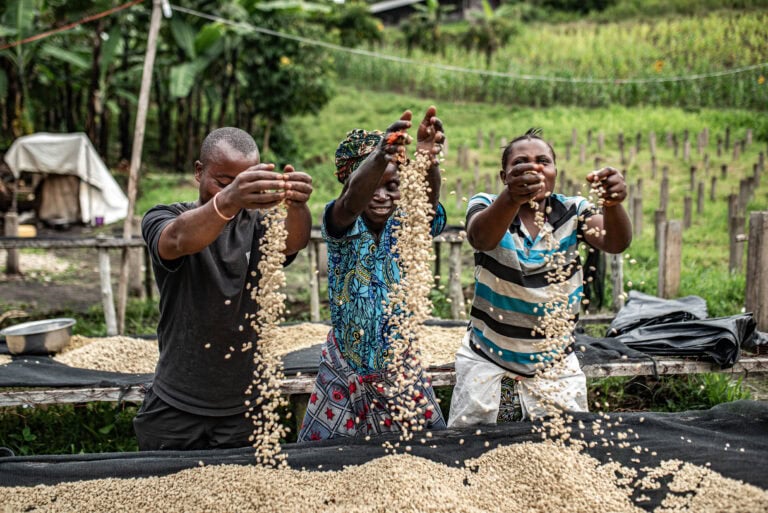
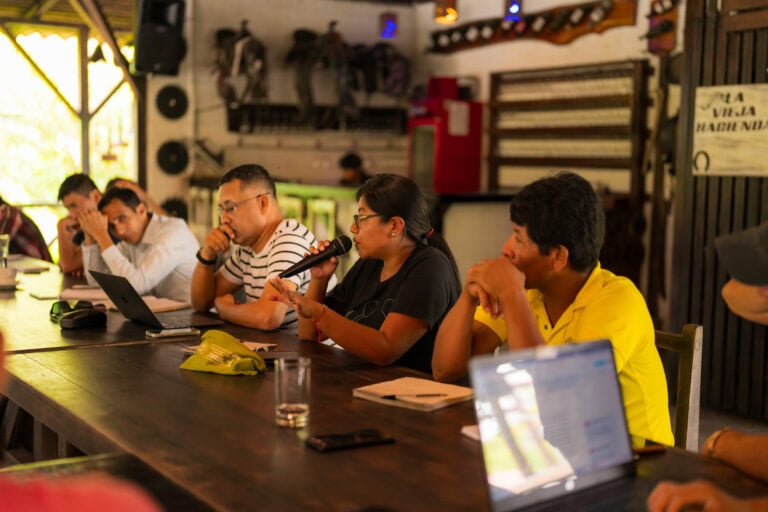
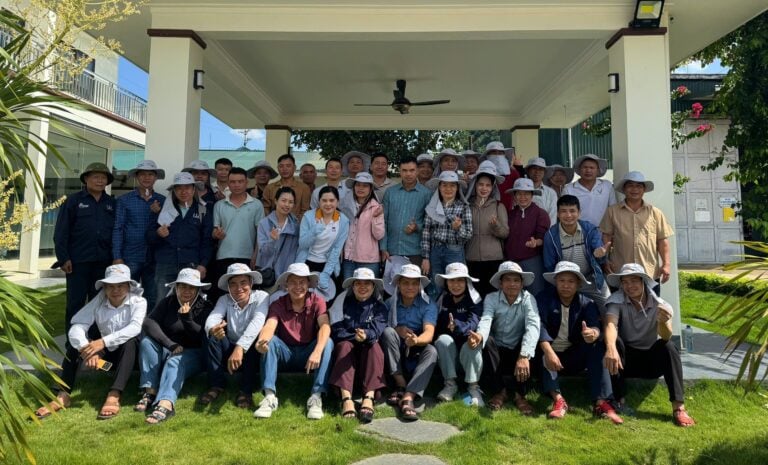
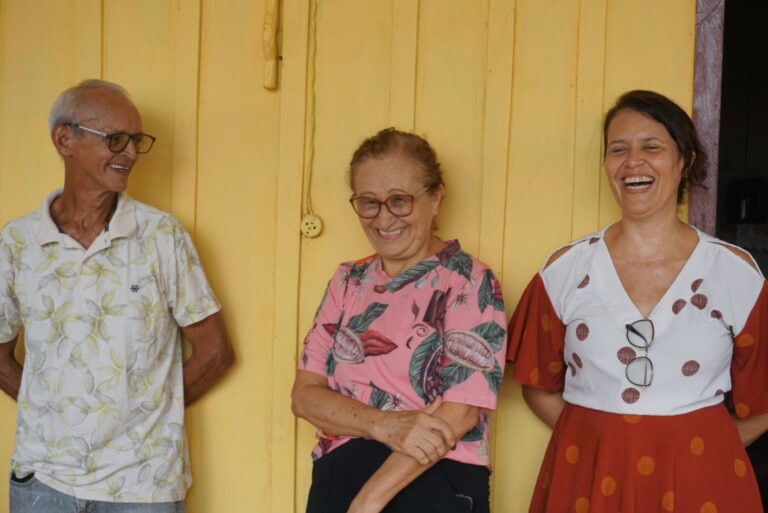
Visual Stories of Sustainability Across Continents:
A SAFE Journey
Join us as we explore eight safe countries in Latin America, Africa and Asia, and discover the beauty, resilience and interconnectedness of people and the planet.
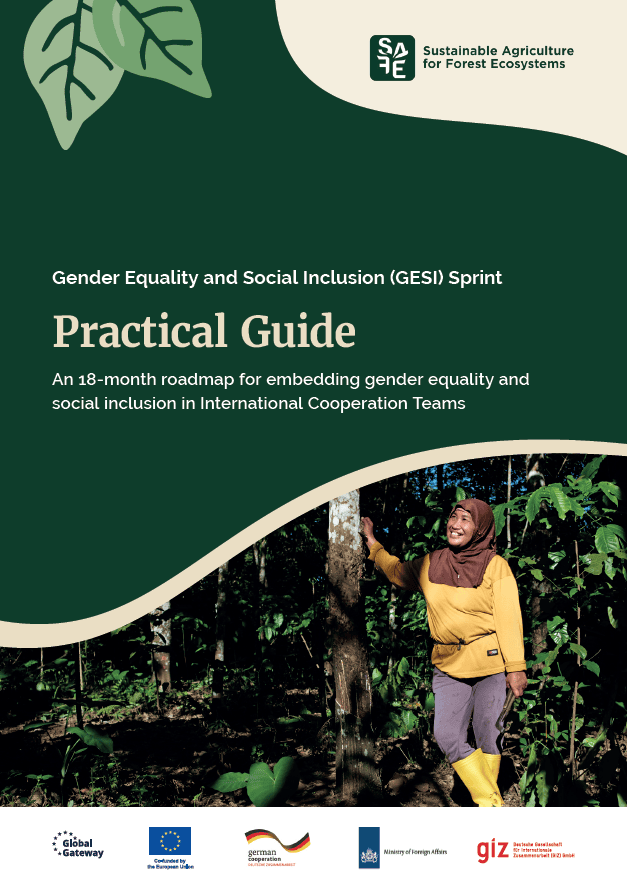
The Gender Equality and Social Inclusion (GESI) Sprint is a collaborative, friendly-competitive initiative for development agencies, companies, NGOs, and governments to embed gender equality and social inclusion. Originating in the…
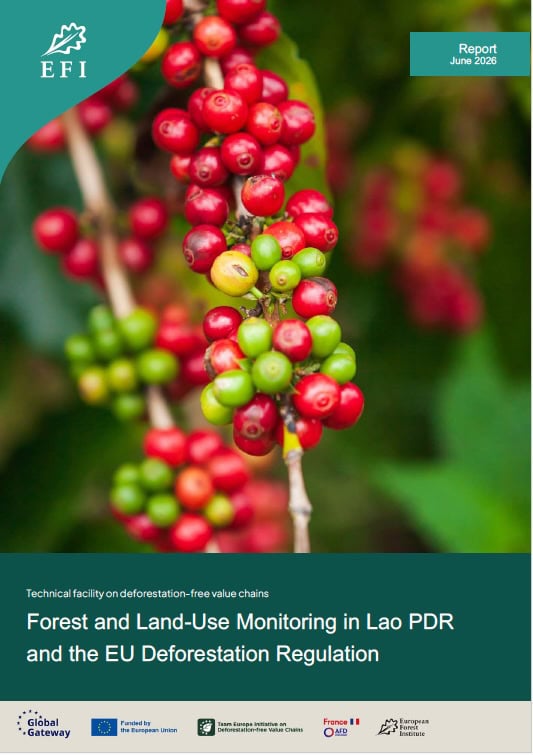
This report assesses forest and land-use monitoring systems in the Lao People’s Democratic Republic in relation to the requirements of the European Union Deforestation Regulation (EUDR). It aims to support…
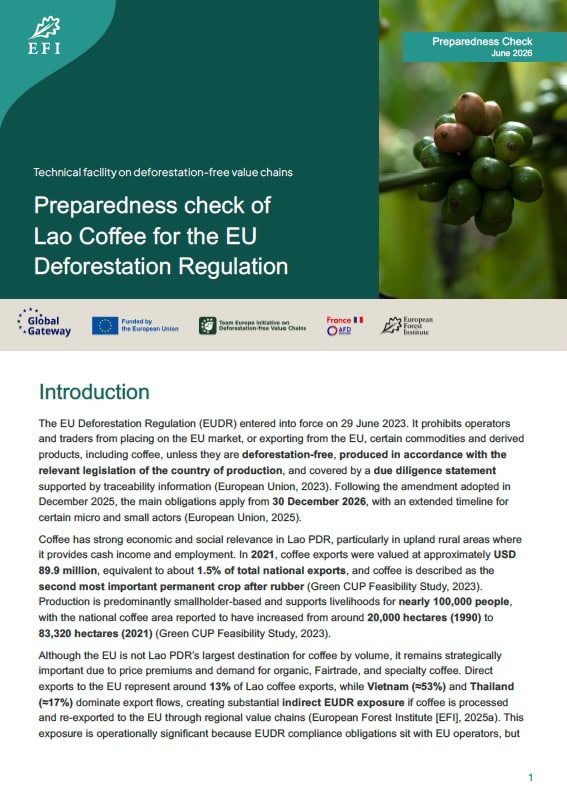
The EU Deforestation Regulation (EUDR), in force since June 2023, prohibits placing coffee and other commodities on the EU market unless they are deforestation-free, legally produced, and supported by due…
Women play a pivotal role in production and post-harvest processing, which often significantly determines the size and quality of the final commodities produced (FAO, 2016). Integrating GEDSI (Gender Equality, Disability,…
SAFE is co-funded by the European Union (EU), the German Federal Ministry of Economic Cooperation and Development (BMZ), and the Dutch Ministry of Foreign Affairs (BZ). It is implemented by the Deutsche Gesellschaft für Internationale Zusammenarbeit (GIZ) as part of the Fund for the Promotion of Innovation in Agriculture (i4Ag).
Smallholder farmers, private sector, and civil society organizations along the value chains
Key activities:
Empowering Smallholder Farmers and Farmer Organizations by facilitating traceability and legality, building capacity on Good Agriculture Practices (GAP), and strengthening farmer organizations, ensuring inclusive support for both men and women farmers.
Promoting sustainable practices and collaboration by supporting village HCV/HCS conservation efforts, testing and strengthening the National Dashboard for traceability and legality, and fostering national and regional exchanges.