Bringing Congolese Coffee to Global Markets

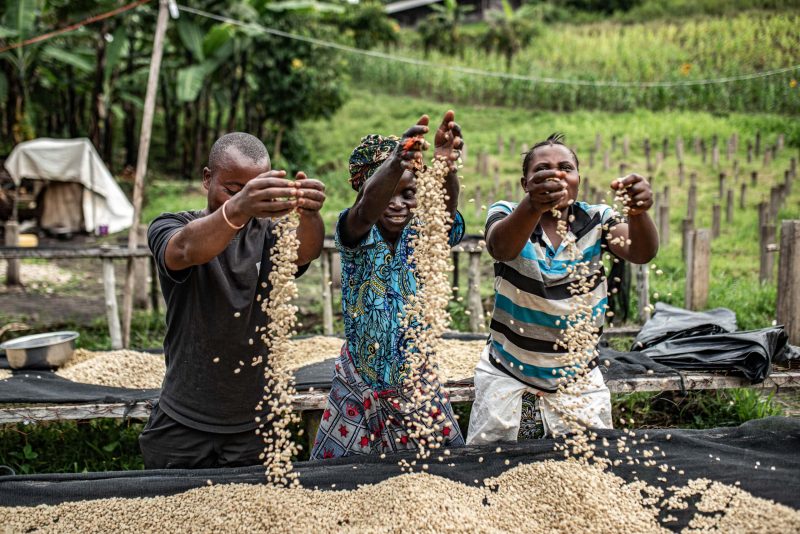
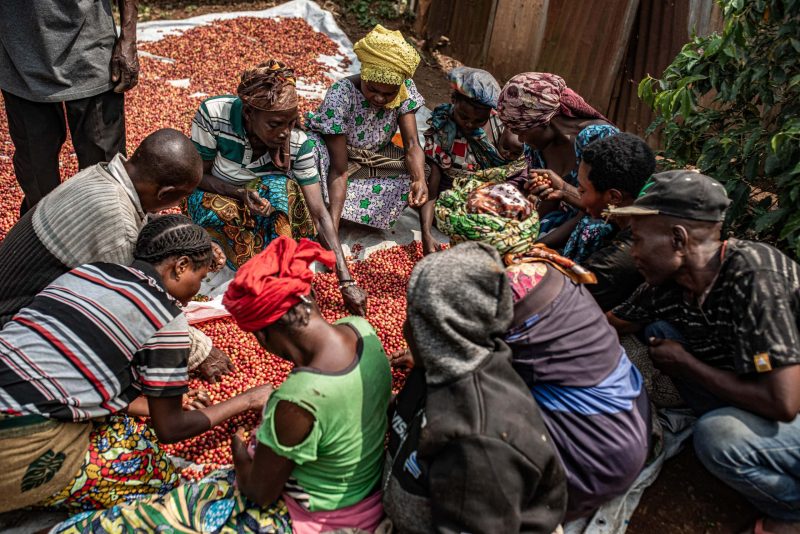
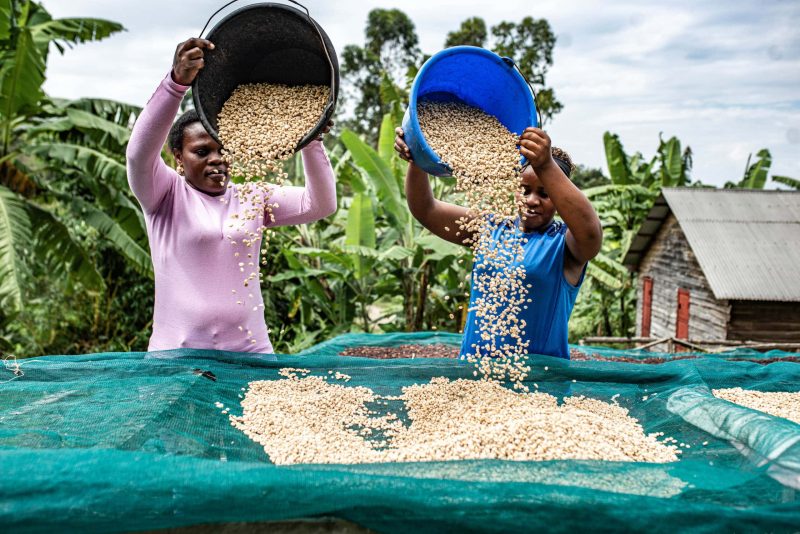
When thinking about the Democratic Republic of Congo (DRC), many people first think of the Congo Basin and its immense biodiversity, but also of three decades of armed conflict and recurring health crises. The Best of Congo Cooperatives initiative tells another side of the story: that of a country capable of producing high-quality coffee and cocoa, driven by women, young people, communities and cooperatives that never stop innovating despite the difficulties.

Best of Congo Cooperatives (BoCC) is a joint initiative by CongoAgri Platform and African Coffee Connect, with support from GIZ. It promotes Congolese coffee and cocoa, improves access to national and international markets, and supports producers and cooperatives in meeting market requirements, including those linked to regulations such as the EU Deforestation Regulation (EUDR).

In doing so, the initiative contributes to socio-economic development in regions where producers face significant challenges, including armed conflict, limited infrastructure and long distances to markets.

BEST OF CONGO COOPERATIVES 2026

In 2026, for the third time, selected agricultural cooperatives from North and South Kivu as well as Ituri came together to showcase the quality and potential of Congolese products.  

Through the Best of Congo Cooperatives competition, Congolese coffee and cocoa were presented on the international stage, evaluated by international juries across 4 continents and eventually offered to buyers through an online auction. 

Coffee samples from 37 participating cooperatives underwent a tasting and evaluation process involving juries in Goma, DRC; New York, USA; Seoul, South Korea; and London, UK. In total, 45 tasters participated, contributing to a diverse and rigorous international evaluation process. Additionally, the competing coffees were also presented at the World of Coffee Conference in Brussels in June 2026.

Bringing the sector together in Goma

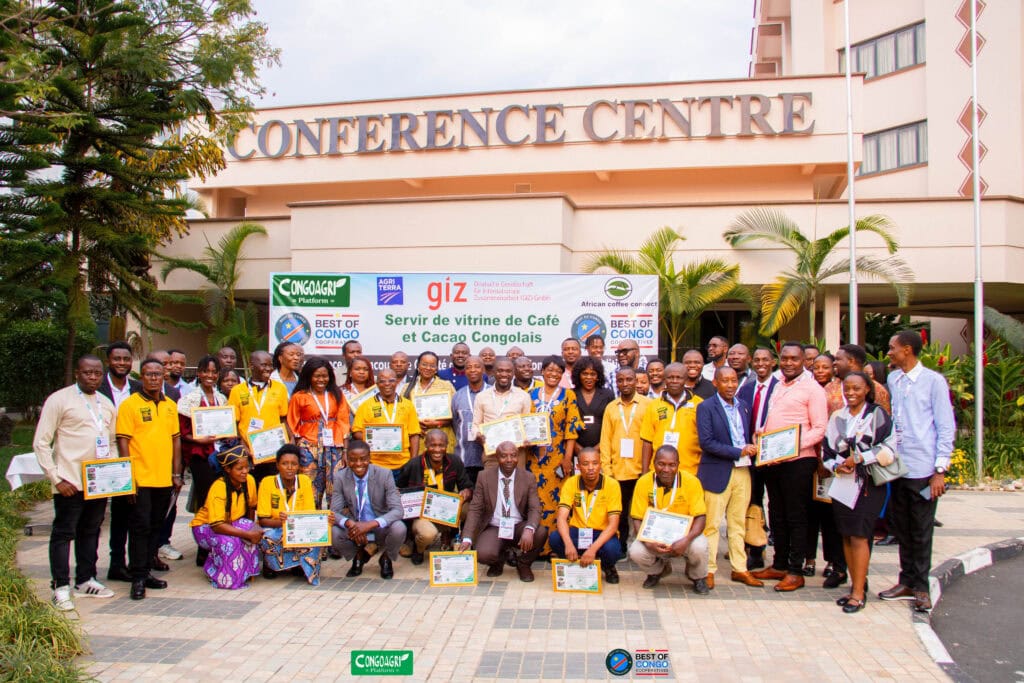
The second phase of the competition culminated in the Congolese Coffee and Cocoa Quality Conference and Competition, held in Goma, DRC from 2-3 July 2026.  

The conference brought together Congolese and international actors to discuss strategic topics for the development of the development of the country’s coffee and cocoa value chains.  

© CongoAgri Platform

It culminated in the announcement of the results of the international coffee tasting and evaluation process. Final scores were calculated based on the evaluations of the four juries in Goma, New York, Seoul and London.  

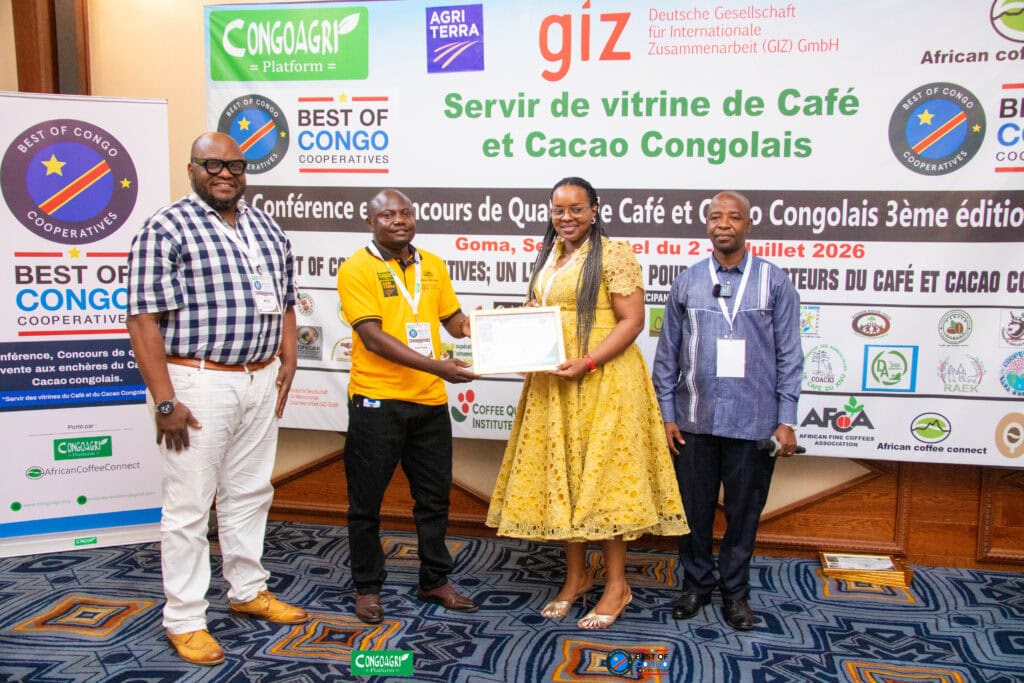
With an impressive score of 86.19 points, the winner of the coffee competition was the anaerobic coffee “Izuba”. It’s the DRC’s first experimental anaerobic coffee and was produced by the Yetu Qahwah cooperative and the two Congolese Q graders, Moïse Muhindo and Linda Muguruka. 

Anaerobic fermentation is a controlled processing method that allows for the development of distinctive and complex flavours. For Izuba, the experiment resulted in a coffee with notes of caramel and honey and a cognac-like finish, earning the highest score in the competition. 

For Linda Muguruka, founder of the Yetu Qahwah cooperative and a Congolese Q Grader, Izuba – meaning “sun” – represents much more than the quality of the coffee itself. Developed at a time when producers in South Kivu were facing conflict, difficulties accessing plantations and disruptions to supply chains, Izuba emerged from a determination to turn adversity into innovation. Rather than allowing these challenges to define the story of Congolese coffee, Yetu Qahwah chose to experiment, innovate and create greater value from the coffee produced by local farmers. 

We chose to innovate. To believe that every coffee cherry could bring greater value, more hope and greater dignity to the farmers. […] Izuba has become much more than just a coffee: it has become a symbol of resilience. This first place belongs, above all, to our producers. To all the women and men who continue to believe in their land despite the hardships.

Moïse Muhindo and Linda Muguruka with their award for “Izuba”, winner of the BoCC 2026 coffee competition. © CongoAgri Platform

Other coffees also stood out for the stories behind their production. “Mama Kivu”, a coffee produced by women, highlighting the role of women producers in the value chain, while “Batwa”, produced by indigenous coffee growers brought particular visibility to the participation/inclusion of indigenous communities in the Congolese coffee sector.

A historic auction for Congolese coffee

Following the announcement of the competition results, an online auction was launched, allowing buyers to bid directly on coffees participating in the BoCC competition.  

When the auction closed on 3rd  September 2026, it achieved a historic result:  
The winning Izuba coffee reached a record price of USD 55.50 per kilogram – the highest price ever recorded for a coffee from the Democratic Republic of Congo. 

The weighted average price for the remaining coffees reached USD 15.44 per kilogram. 

These results demonstrate the opportunities available to Congolese coffee producers when investments in quality, traceability, promotion and market access come together.  

Behind the results are men and women, young people, local communities, producers and cooperatives who continue their business and improve the quality of their products despite difficult circumstances. Best of Congo Cooperatives brings these efforts to the international stage – showing that Congolese coffee and cocoa are not only products with considerable potential but are already finding their place in high-value international markets!   

Vous êtes actuellement en train de consulter le contenu d'un espace réservé de Vimeo. Pour accéder au contenu réel, cliquez sur le bouton ci-dessous. Veuillez noter que ce faisant, des données seront partagées avec des providers tiers.

Plus d'informations
Région :

Luwero, Nakaseke, Kassanda, Mubende, Bukomansimbi, Kyotera, Omoro, et Nwoya

Groupe cible :

Petits exploitants agricoles, commerçants, acteurs étatiques et non étatiques et transformateurs

Activités clés :
  • Renforcement des capacités des petits producteurs de café dans les pratiques de production et la gestion durable des terres.
  • Mettre en place un système de traçabilité et faciliter l’accès au financement durable
  • Faciliter les partenariats commerciaux inclusifs entre les organisations de producteurs et les acteurs de la chaîne d’approvisionnement
  • Promouvoir la coopération multipartite
Produits de base :
Région :

Huánuco, Ucayali, Pasco et Junín

Groupe cible :

Acteurs publics et privés, notamment les entreprises exportatrices, les coopératives et les petits producteurs

Activités clés :
  • Renforcer les chaînes d’approvisionnement pour répondre aux exigences de l’EUDR
  • Faciliter l’accès à la finance durable et l’échange de connaissances
  • Formation des petits exploitants à la gestion durable de leurs systèmes de production
Produits de base :
Région :

Ngozi et Kayanza

Groupe cible :

Smallholders

Activités clés :
  • Formation sur l’utilisation des outils de traçabilité et accompagnement sur la collecte de données de géolocalisation pour la conformité EUDR
  • Soutenir le développement d’un tableau de bord national du secteur du café pour la traçabilité et la transparence
  • Renforcement des capacités des petits producteurs de café en matière de pratiques de production et de gestion durable des terres.
Produits de base :
Région :

Régions Centre, Sud-Ouest, Littoral, Sud, Est et Ouest

Groupe cible :

Petits exploitants agricoles, femmes, jeunes et peuples autochtones

Activités clés :
  • Développer des partenariats commerciaux inclusifs avec le secteur privé
  • Faciliter l’accès au financement pour des modèles économiques durables
  • Soutenir et former les agriculteurs aux systèmes de traçabilité open source
  • Promouvoir les dialogues multipartites pour améliorer les dispositions juridiques et réglementaires
Produits de base :
Région :

Écosystème du bassin versant de Kafue (inférieur)

Groupe cible :

Agriculteurs et groupes de gestion des forêts communautaires

Activités clés :
  • Soutenir les groupes de gestion forestière communautaire dans la gestion durable des ressources naturelles et la création de moyens de subsistance.
  • Aider les agriculteurs à produire du soja conformément à l’EUDR et à augmenter leur productivité, et mettre en œuvre des projets pilotes de transparence et de traçabilité
Produits de base :
Région :

Lampung, Kalimantan Occidental et Sulawesi Central

Groupe cible :

Les petits exploitants agricoles, le secteur privé et les organisations de la société civile tout au long des chaînes de valeur

Activités clés :
  • Autonomiser les petits exploitants agricoles et les organisations d’agriculteurs en facilitant la traçabilité et la légalité, en renforçant les capacités en matière de Bonnes Pratiques Agricoles (BPA) et en renforçant les organisations d’agriculteurs, en garantissant un soutien inclusif aux agriculteurs et aux agricultrices.
  • Promouvoir des pratiques durables et la collaboration en soutenant les efforts de conservation des HVC/HCS des villages, en testant et en renforçant le tableau de bord national pour la traçabilité et la légalité, et en favorisant les échanges nationaux et régionaux.
Produits de base :
Région :

Son La, Gia Lai ​​

Groupe cible :

Petits exploitants agricoles et groupes marginalisés

Activités clés :
  • Soutenir les acteurs de la chaîne de valeur du café
  • Favoriser des chaînes d’approvisionnement sans déforestation, durables et légales
Produits de base :
Région :

Réserve de biosphère de Yangambi, Parc National de la Salonga Nord, Parc National de la Salonga Sud, Parc National des Virunga, Parc National de Kahuzi-Biéga​

Groupe cible :

Secteur public et privé

Activités clés :
  • Promouvoir des pratiques agricoles durables
  • Minimiser la dégradation des forêts
  • Prévenir la déforestation
Produits de base :
Région :

Provinces d’Orellana et Sucumbíos

Groupe cible :

Petits exploitants agricoles, femmes, peuples autochtones et jeunes

Activités clés :
  • Promouvoir les dialogues multipartites
  • Améliorer les systèmes de traçabilité
Produits de base :
Région :

Territoire du Xingu, État du Pará

Groupe cible :

Familles de producteurs locaux

Activités clés :
  • Améliorer l’accès au marché, la création de valeur et l’accès au financement durable
  • Intégrer les agriculteurs aux systèmes de traçabilité
Produits de base :
Activités Mondiales