Collective Insights from Recent Research on Deforestation-Free Value Chains and the EUDR
Bonn, September 10-11, 2026
Three years after the EU’s Regulation for Deforestation-Free Products (EUDR) was adopted and just weeks before it will enter into application, the Team Europe Initiative (TEI) on Deforestation-Free Value Chains convened experts from academia, policymaking and implementation to discuss the latest research and evidence on deforestation-free value chains: from practical preparedness tools and legality navigators to land‑use analytics and incentive mechanisms. Dive into our recap for the key insights and the road ahead.
Chapter 1: Bringing the Research Community Together
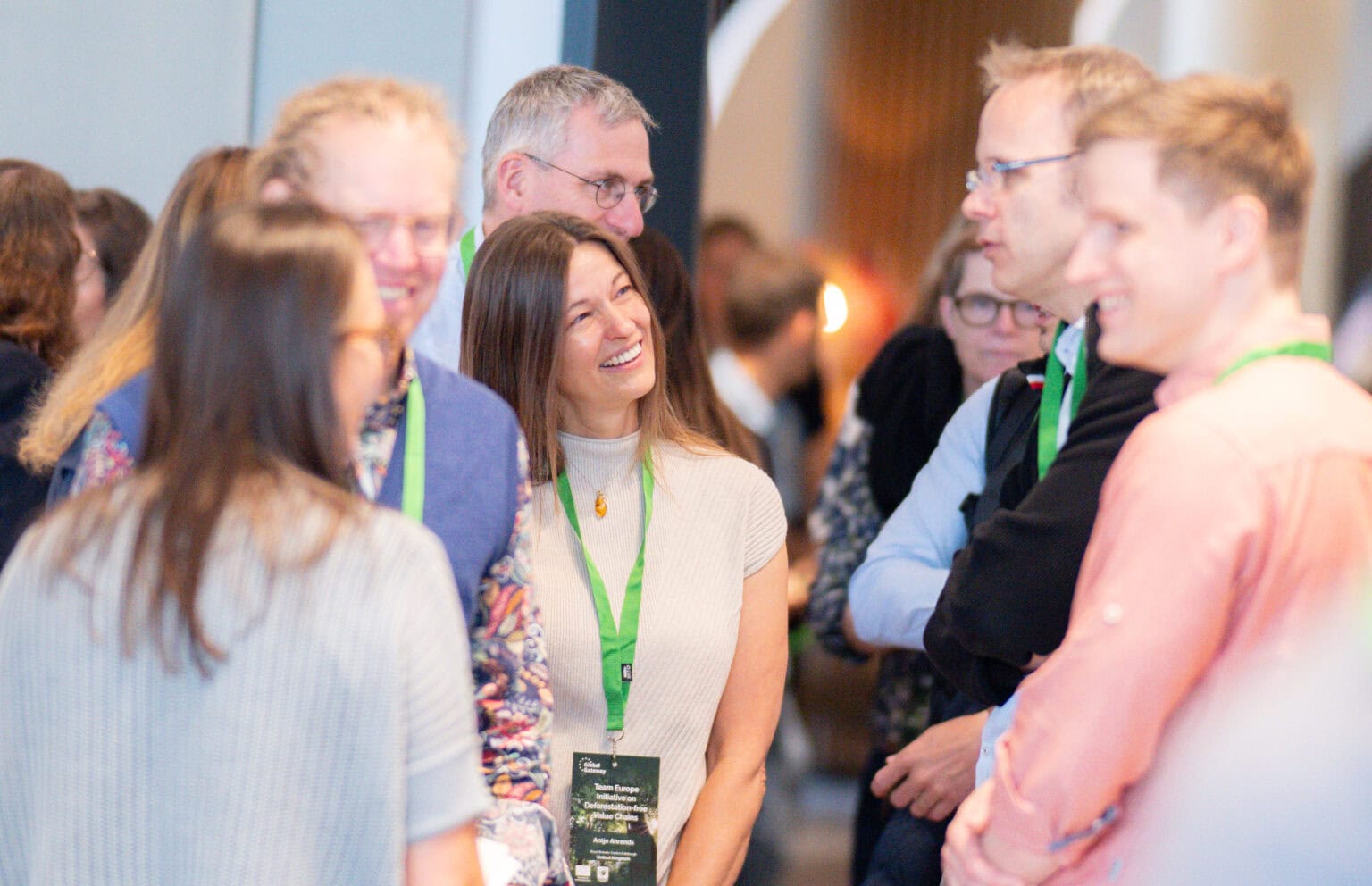
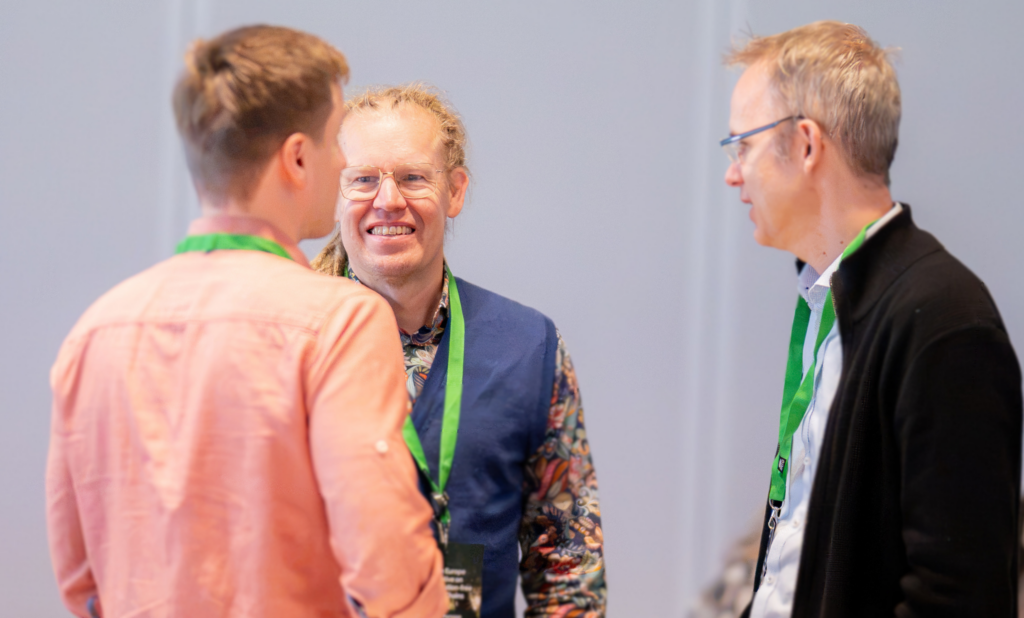
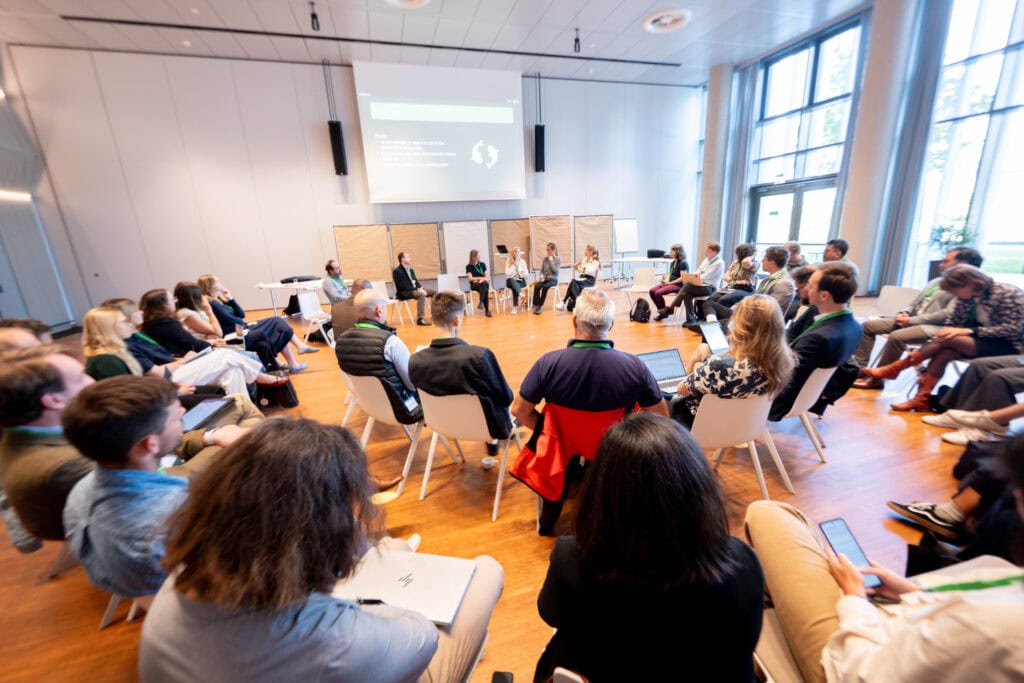
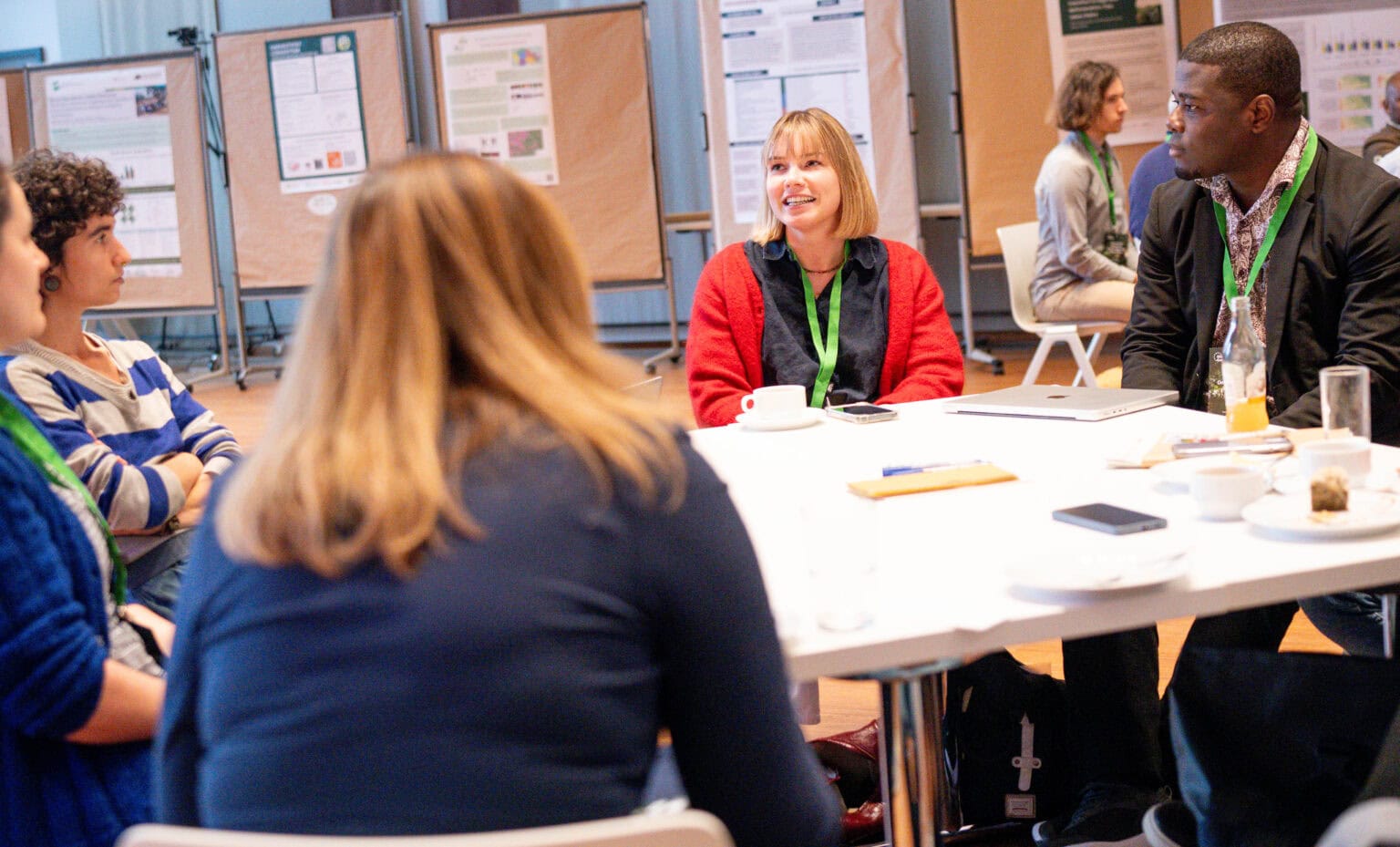
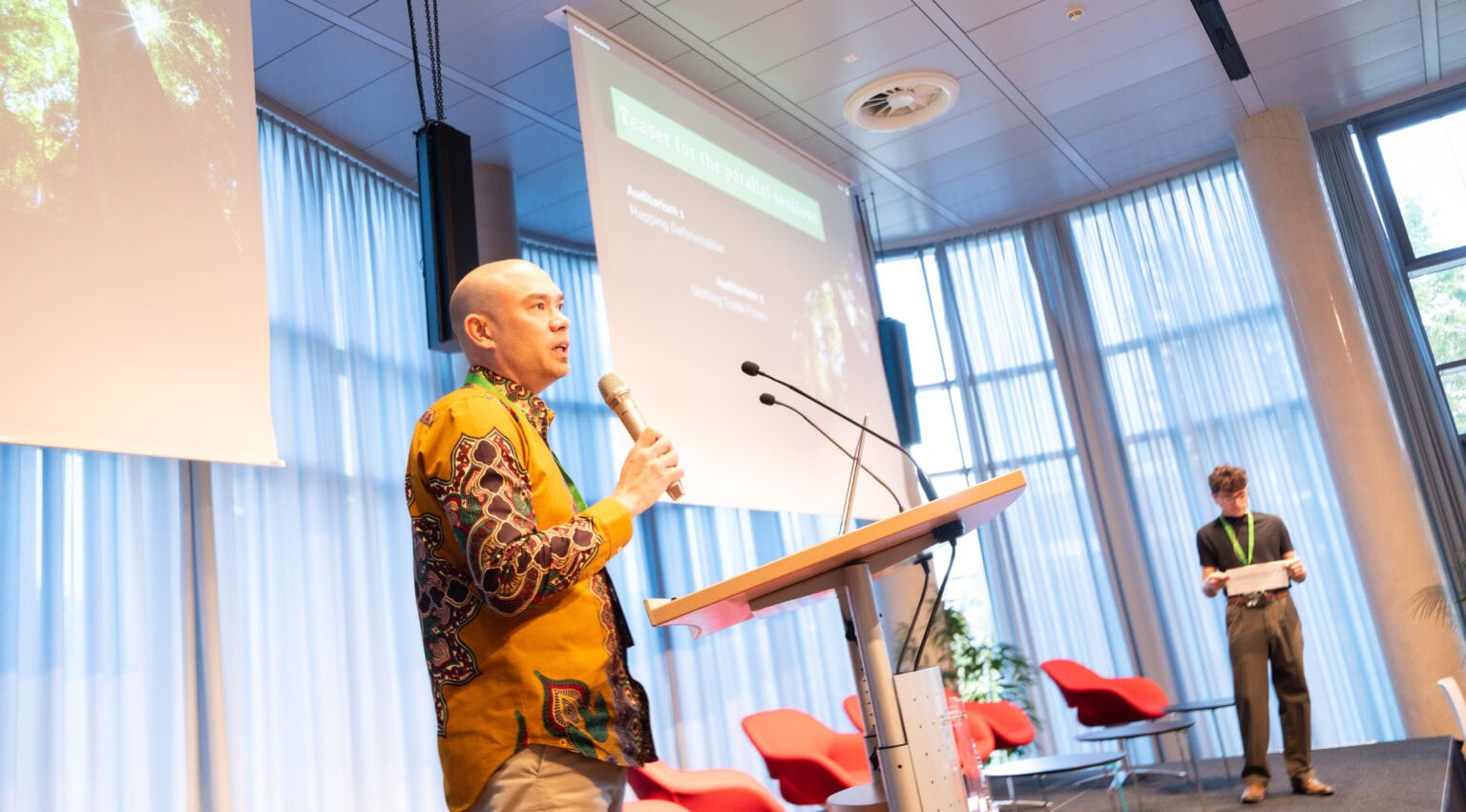
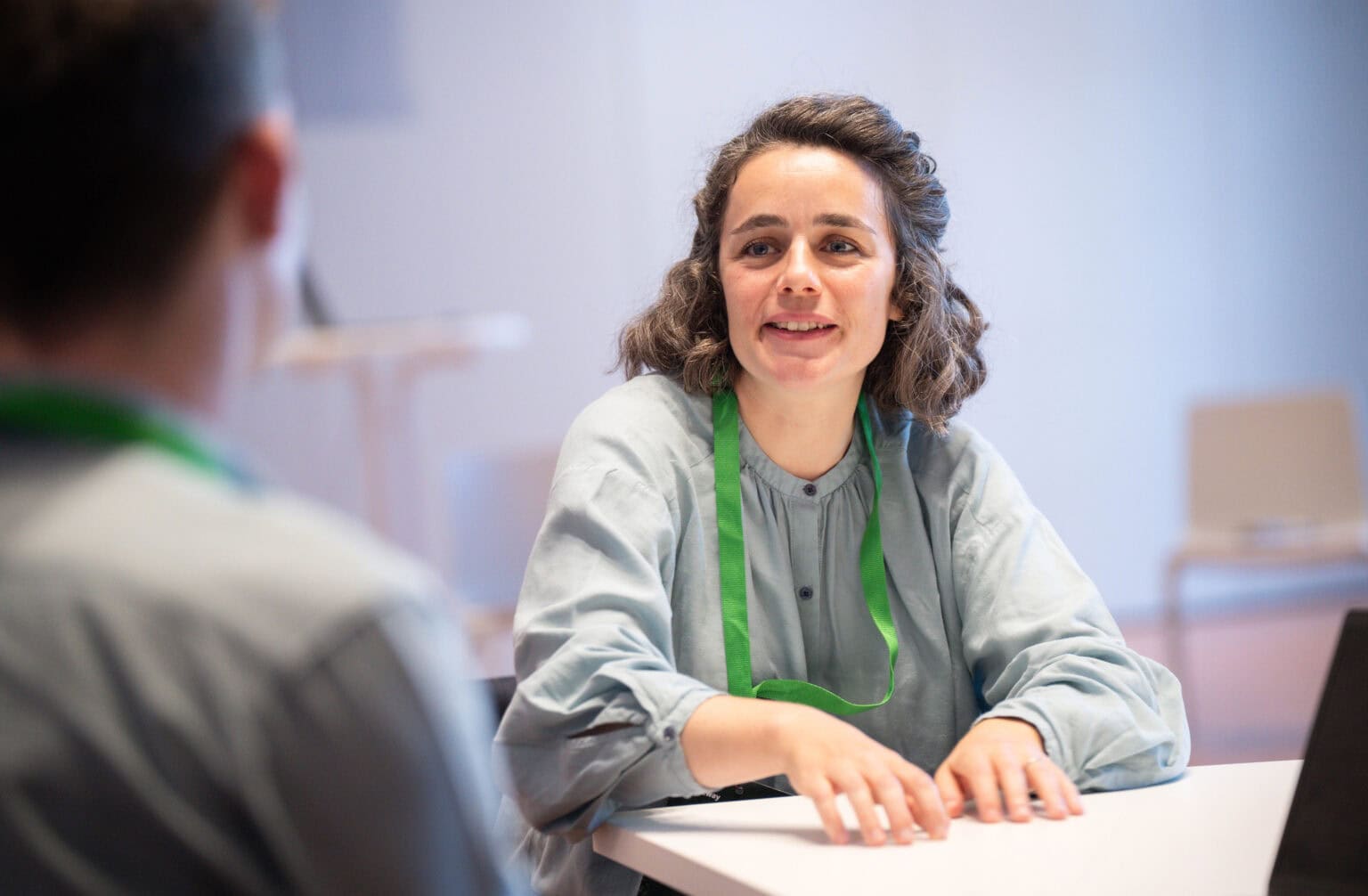
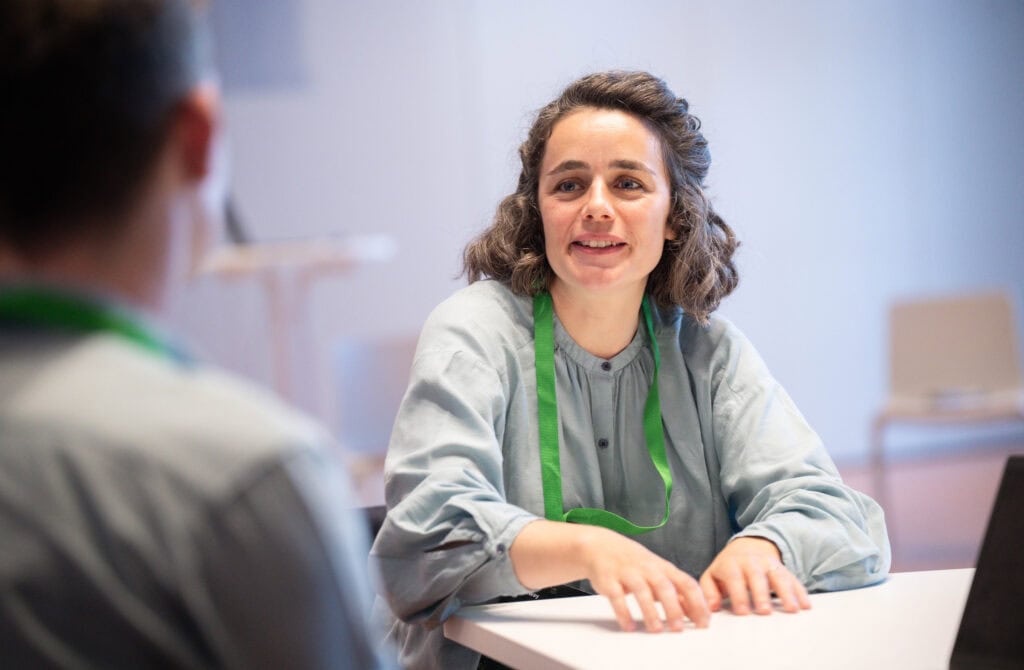
The Symposium began with informal exchanges before participants from research, policy and practice came together for the official opening. Moderated by Jerome Scheuren from GIZ SAFE, welcoming remarks from BMZ and the European Commission (DG ENV and DG INTPA) highlighted the importance of research in supporting EUDR implementation and the particular relevance of the Symposium at this point in time.
Chapter 1: Bringing the Research Community Together
The Symposium began with informal exchanges before participants from research, policy and practice came together for the official opening. Moderated by Jerome Scheuren from GIZ SAFE, welcoming remarks from BMZ and the European Commission (DG ENV and DG INTPA) highlighted the importance of research in supporting EUDR implementation and the particular relevance of the Symposium at this point in time.
We're now at the phase of implementation of the EUDR and we're going into application in 3.5 months. We need a lot more Information afterwards, because a lot is going to change. Preparing ourselves and making sure that tools are in place at the time we need them is crucial.
We're now at the phase of implementation of the EUDR and we're going into application in 3.5 months. We need a lot more Information afterwards, because a lot is going to change. Preparing ourselves and making sure that tools are in place at the time we need them is crucial.
Chapter 2: How Prepared Are We for the EUDR?
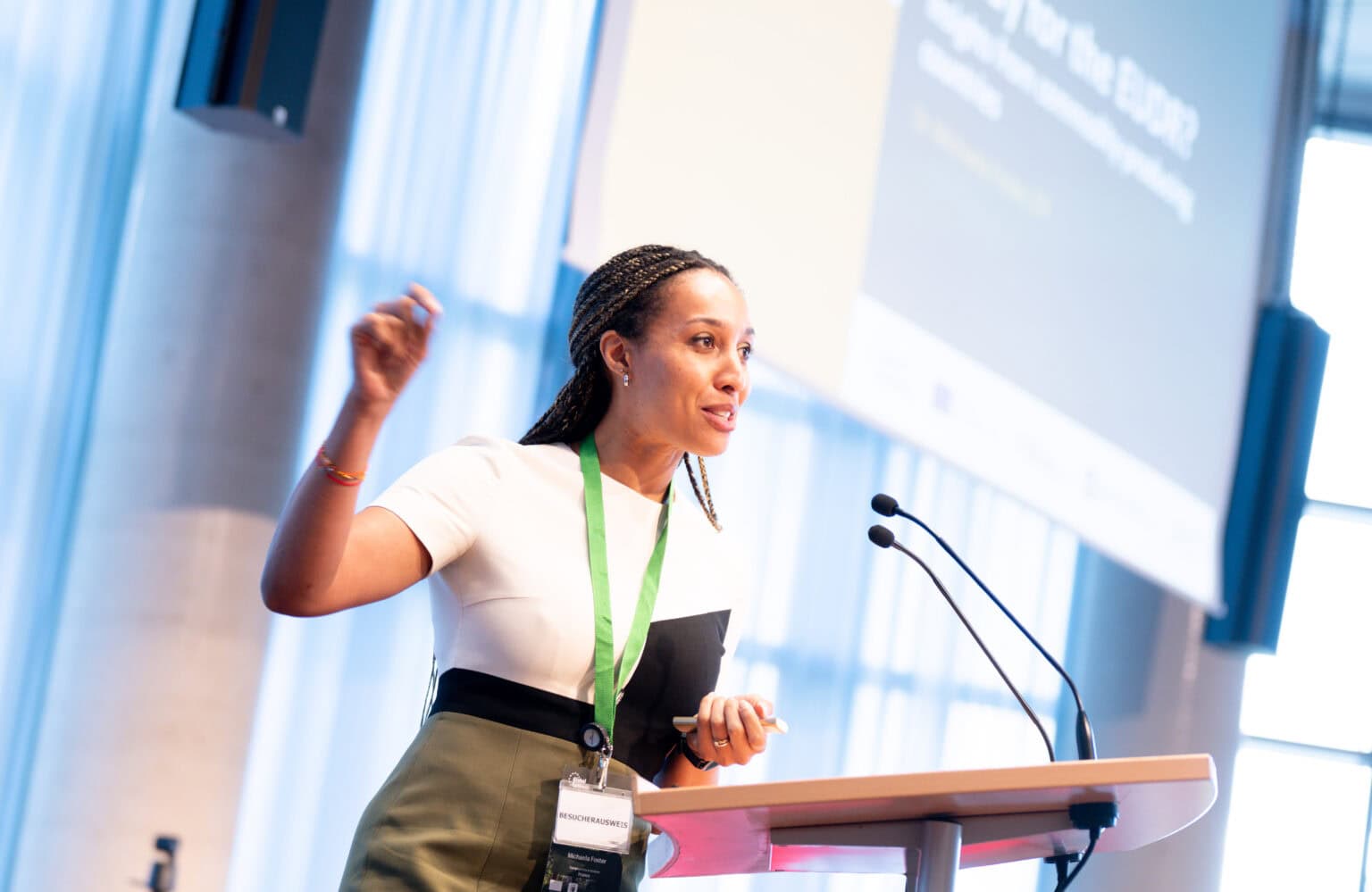
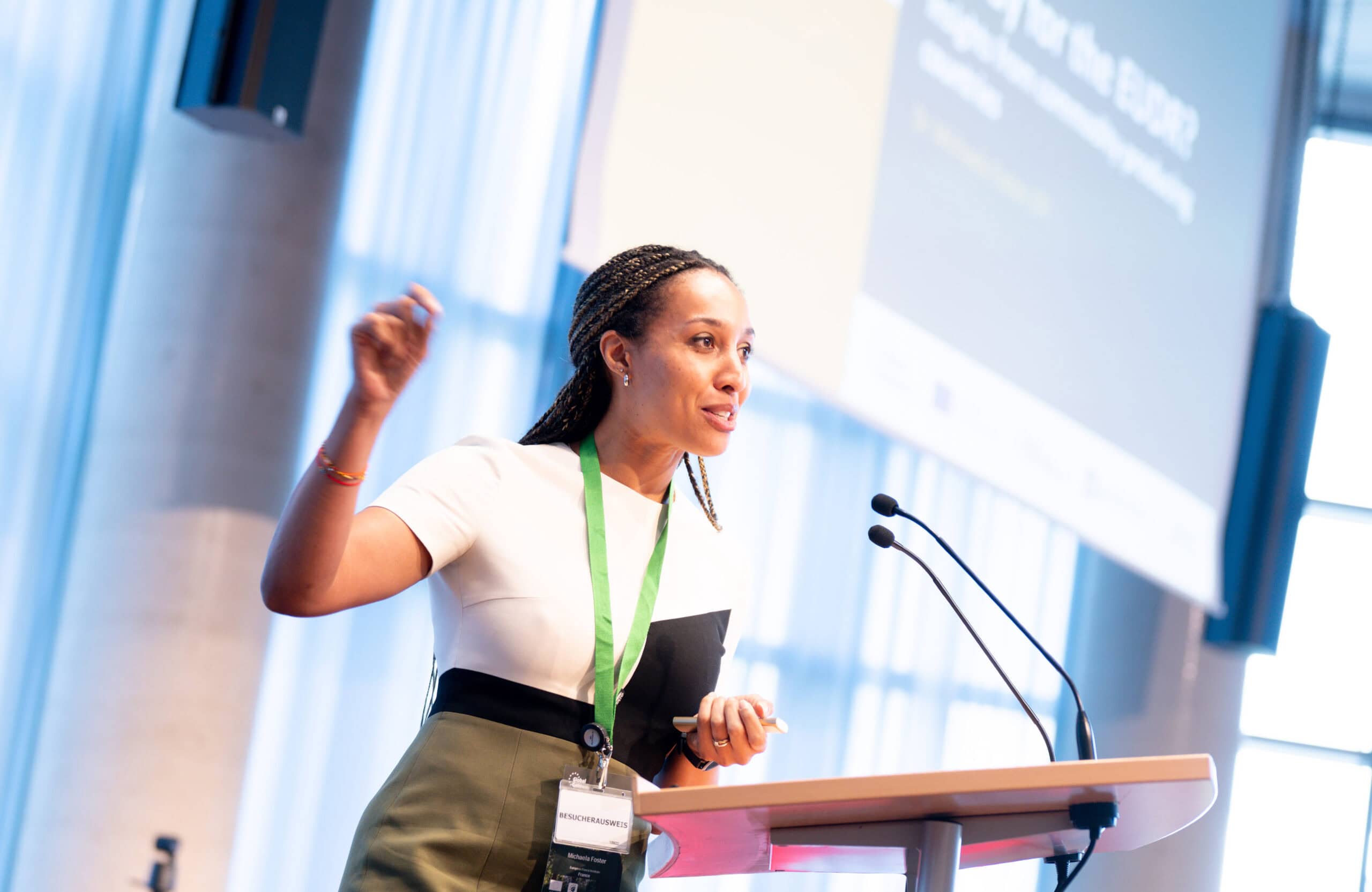
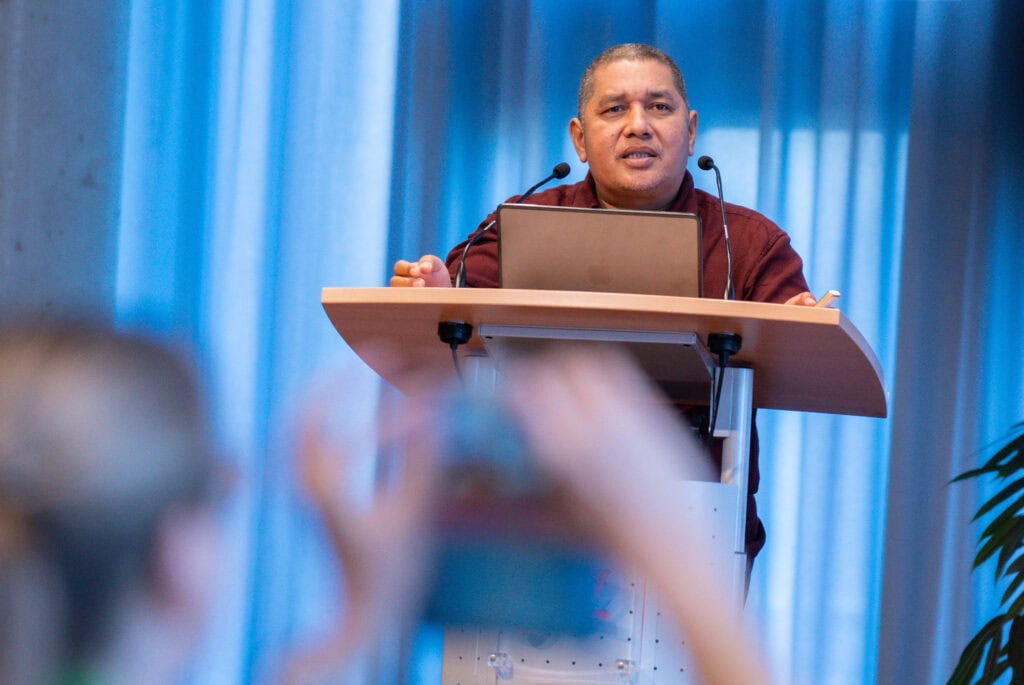
The first session set the scene by taking stock of EUDR preparedness across producer countries and supply chains. Michaela Foster from the European Forestry Institute – EFI highlighted the complexity and multifaceted nature of EUDR preparedness: “I would love to show you a neat slide with a map showing all the countries being ready for the EUDR, but unfortunately, it’s not that simple. A range of actors including governments, companies, cooperatives, and others across different commodity sectors and countries are adopting various approaches to improve the governance and transparency of supply chains in support of EUDR compliance.” Dietmar Stoian from the Landscape Alliance noted the demand for technical support for smallholders and addressed the risk of exclusion, which is a major concern for development-oriented Civil Society Organisations.
Chapter 2: How Prepared Are We for the EUDR?
The first session set the scene by taking stock of EUDR preparedness across producer countries and supply chains. Michaela Foster from the European Forestry Institute – EFI highlighted the complexity and multifaceted nature of EUDR preparedness: “I would love to show you a neat slide with a map showing all the countries being ready for the EUDR, but unfortunately, it’s not that simple. A range of actors including governments, companies, cooperatives, and others across different commodity sectors and countries are adopting various approaches to improve the governance and transparency of supply chains in support of EUDR compliance.” Dietmar Stoian from the Landscape Alliance noted the demand for technical support for smallholders and addressed the risk of exclusion, which is a major concern for development-oriented Civil Society Organisations.
Even if the EUDR has not come fully into practice yet, it has already incentivized a lot of action, not the least in producer countries in terms of improving traceability systems and aligning with the deforestation-free criteria.
Even if the EUDR has not come fully into practice yet, it has already incentivized a lot of action, not the least in producer countries in terms of improving traceability systems and aligning with the deforestation-free criteria.
Chapter 3: Governing the Transition
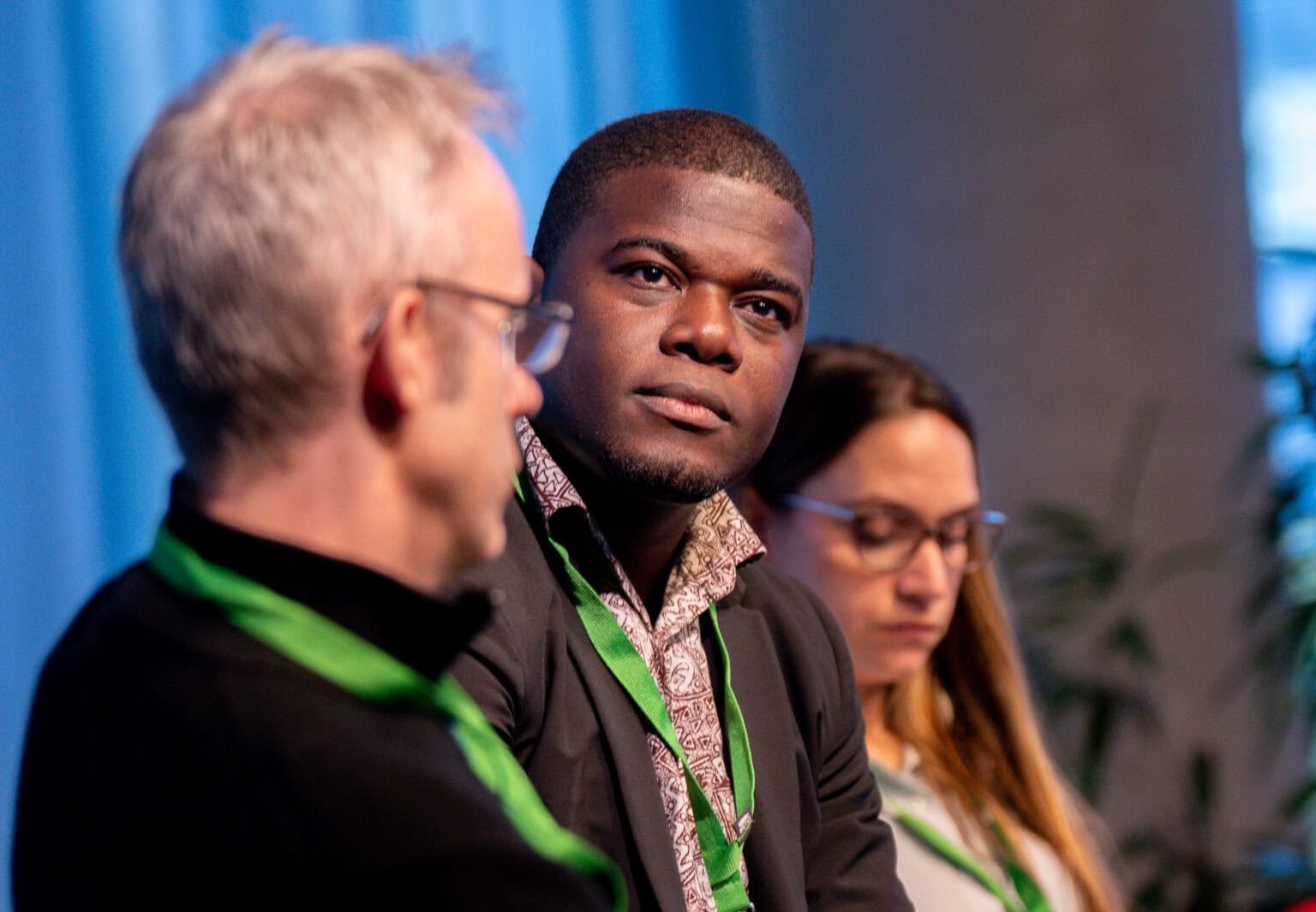
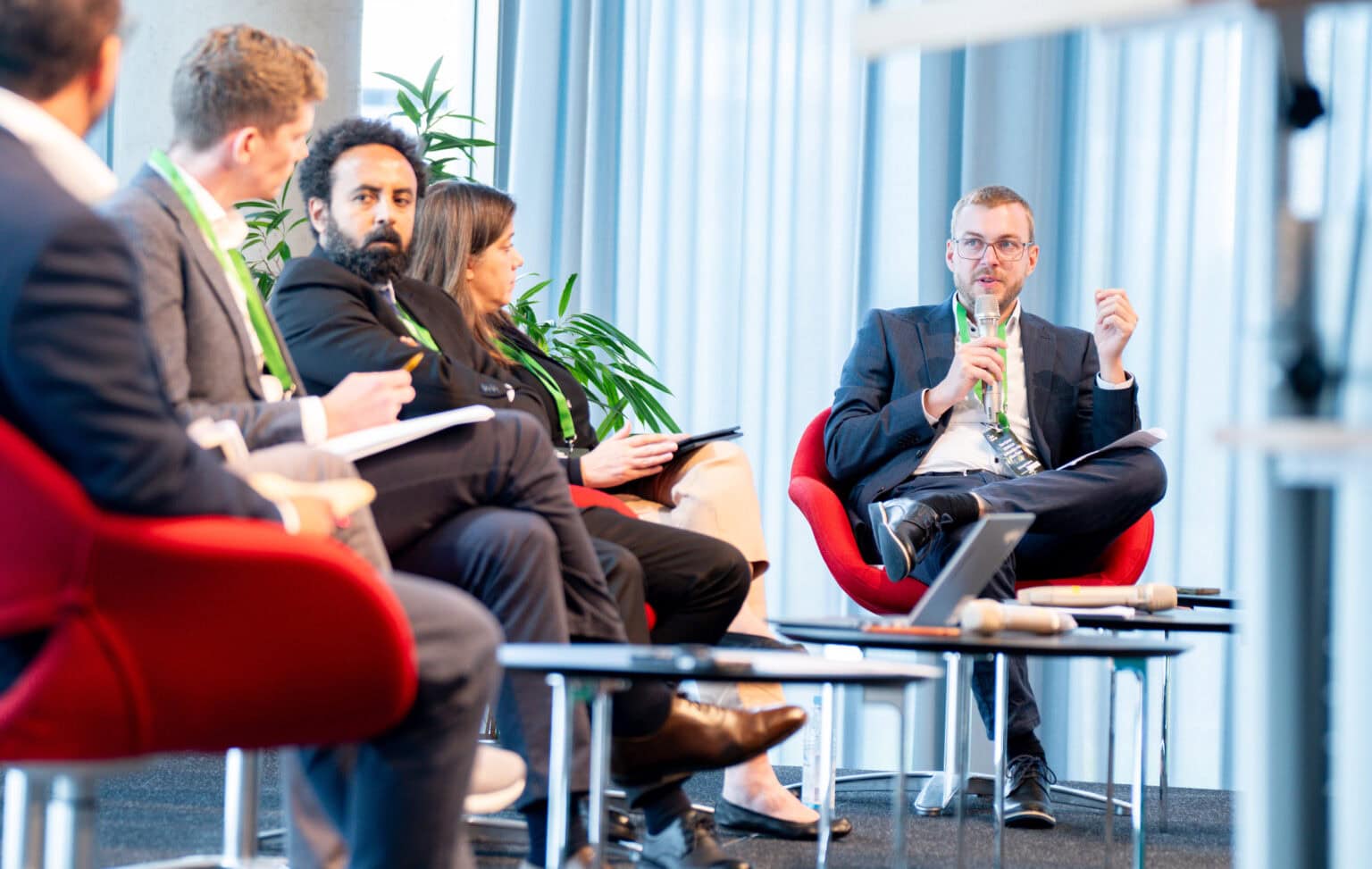
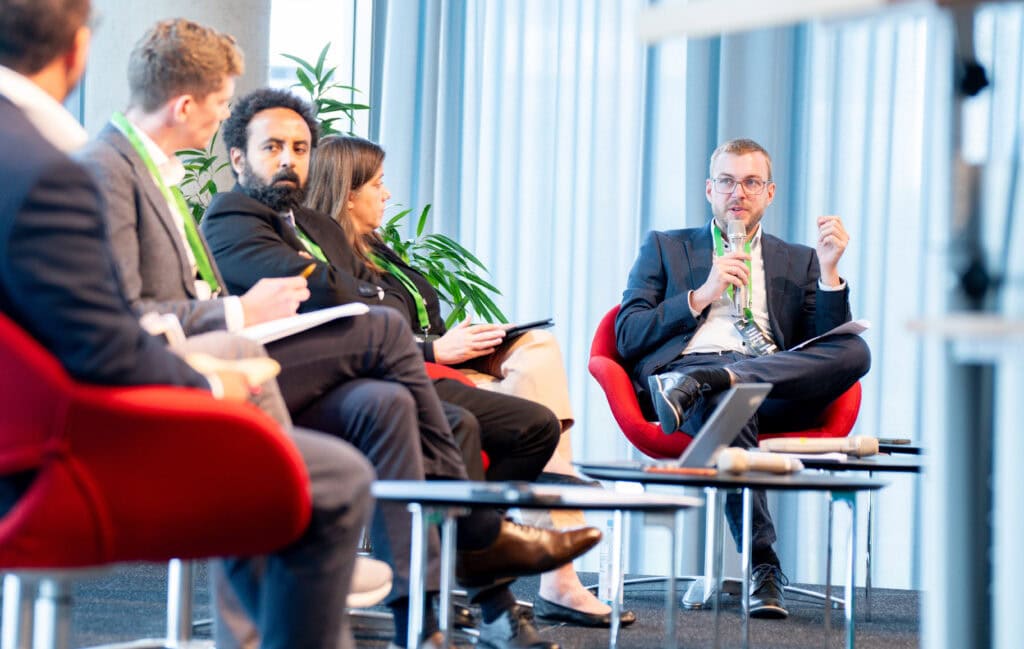
Just before lunch, participants a panel with Pascal Renaud-Bernath (University Freiburg), Jan Börner (University Bonn), Caroline Salomão (Thünen Institute for Forestry) and Eric Kumeh (University of British Columbia) discussed how the EUDR is interacting with local policies and varying priorities of different actors in the producing countries. The EUDR does strengthen the enforcement of certain existing policies and initiatives. In some countries it encouraged setting-up multi-actor partnerships and led to the establishment of national traceability systems or better national land-use maps.
Chapter 3: Governing the Transition
Just before lunch, participants a panel with Pascal Renaud-Bernath (University Freiburg), Jan Börner (University Bonn), Caroline Salomão (Thünen Institute for Forestry) and Eric Kumeh (University of British Columbia) discussed how the EUDR is interacting with local policies and varying priorities of different actors in the producing countries. The EUDR does strengthen the enforcement of certain existing policies and initiatives. In some countries it encouraged setting-up multi-actor partnerships and led to the establishment of national traceability systems or better national land-use maps.
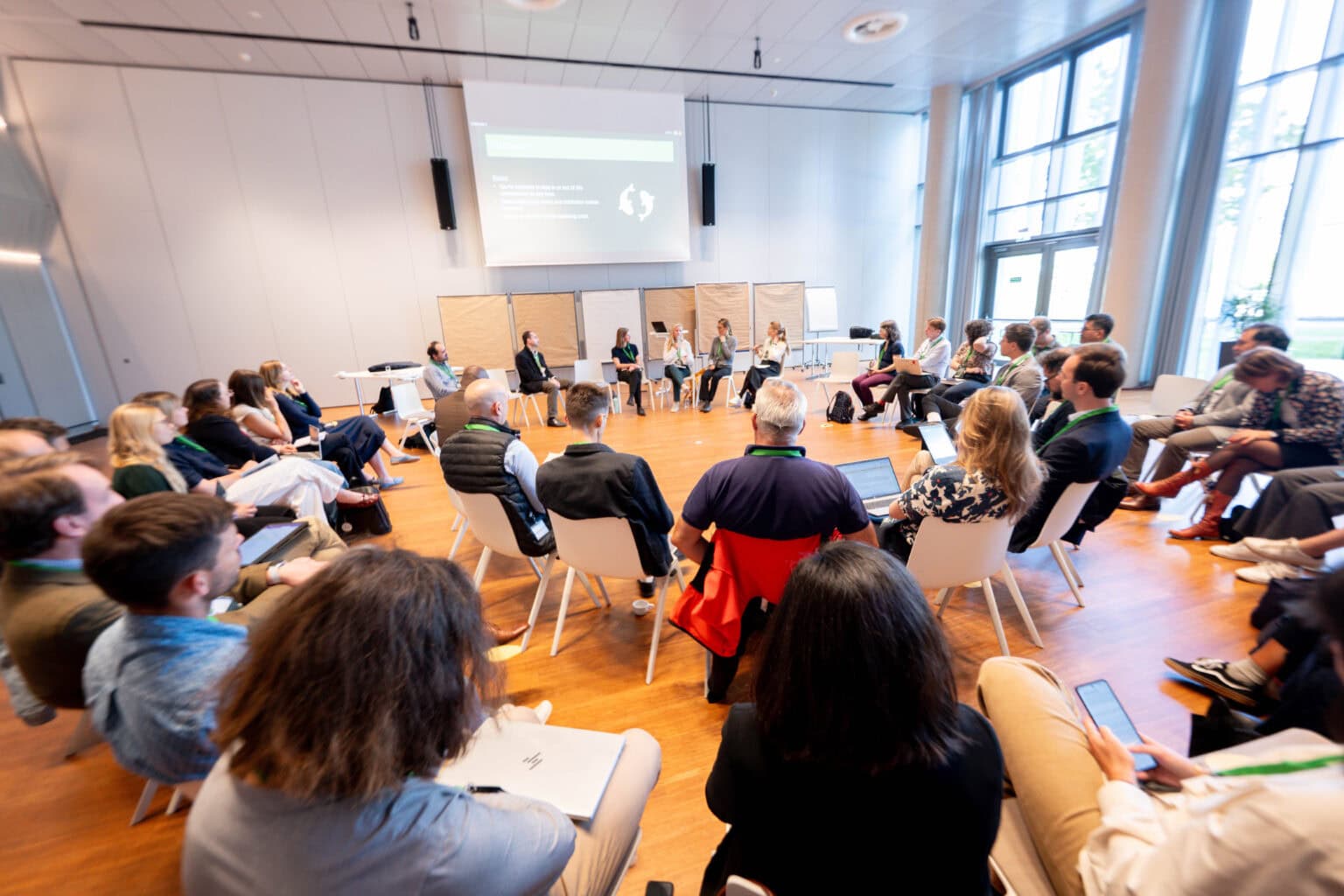
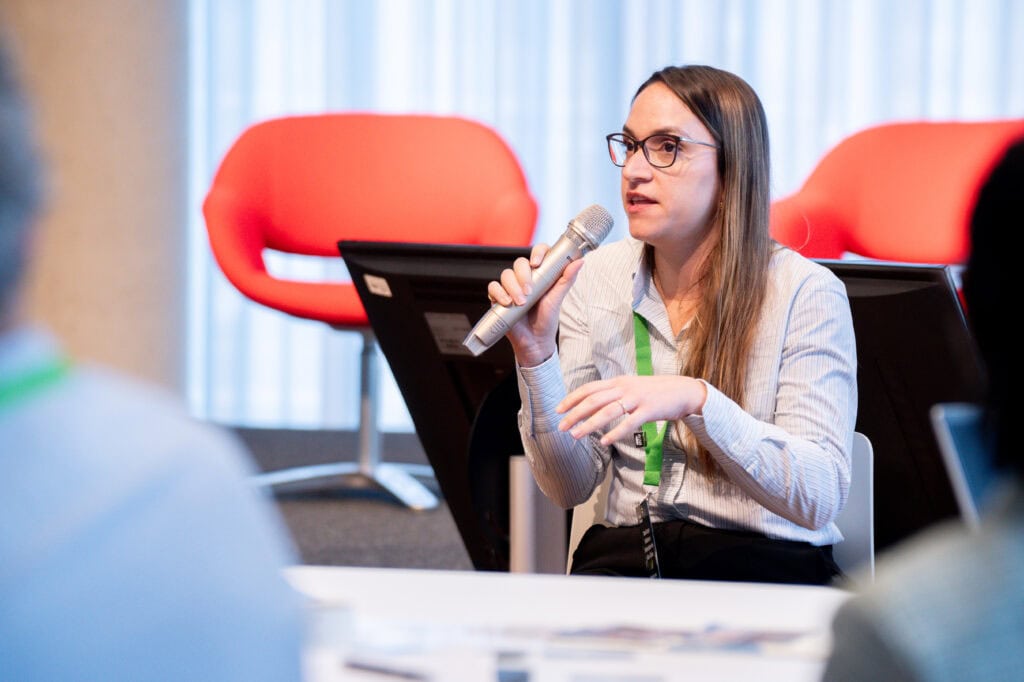
In the parallel session, Ditte Steffensen (Preferred by Nature), José Jordi Brotons Martínez (MITECO) and Felipe Nunes (Center for Territorial Intelligence) debated on legality and due diligence. They identified various challenges and structural barriers to demonstrating legality, including weak enforcement or data gaps, but also stated, that that Due Diligence is not just document gathering but needed to be accompanied by an interpretation of data. Alice Bisiaux (EFI) showcased the EFI Legality Due Diligence Navigator, which provides producer countries with step-by-step guidance for legal production under the EUDR. Sarah Drost from AidEnvironment demonstrated their Compliance Checker, that uses real-time monitoring to support due diligence efforts.
In the parallel session, Ditte Steffensen (Preferred by Nature), José Jordi Brotons Martínez (MITECO) and Felipe Nunes (Center for Territorial Intelligence) debated on legality and due diligence. They identified various challenges and structural barriers to demonstrating legality, including weak enforcement or data gaps, but also stated, that that Due Diligence is not just document gathering but needed to be accompanied by an interpretation of data. Alice Bisiaux (EFI) showcased the EFI Legality Due Diligence Navigator, which provides producer countries with step-by-step guidance for legal production under the EUDR. Sarah Drost from AidEnvironment demonstrated their Compliance Checker, that uses real-time monitoring to support due diligence efforts.
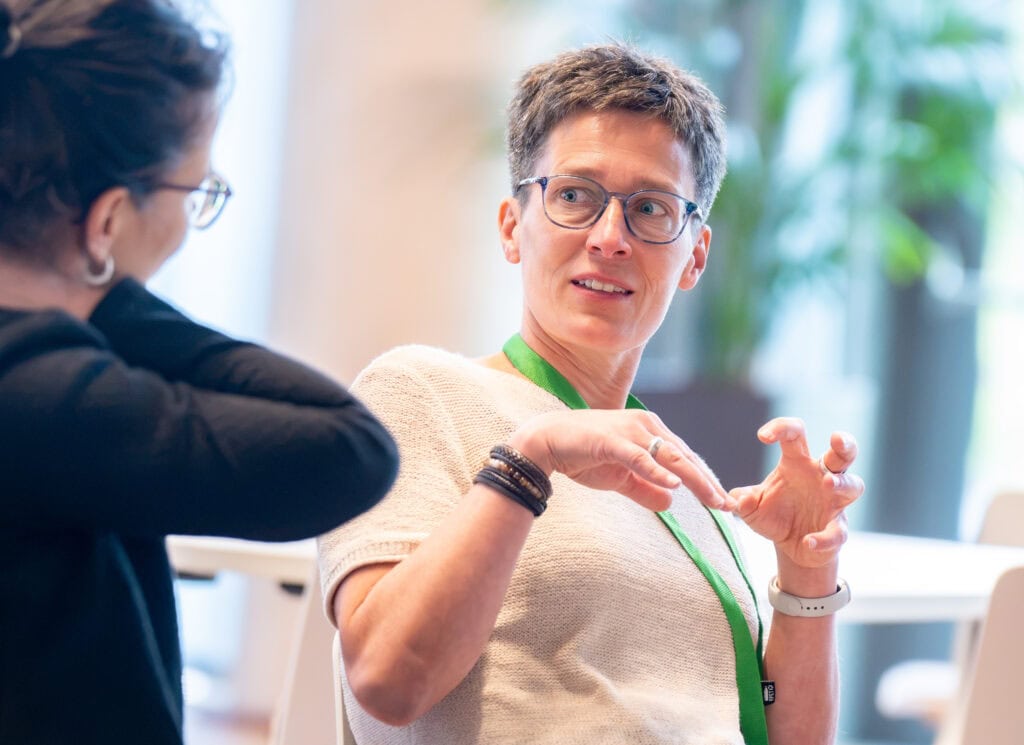
Over lunch, colleagues connected across disciplines and regions, exchanging perspectives and ideas. The conversations continued during the first Gallery Walk, where participants gained insights on ongoing findings from projects, proposals and emerging ideas.
We thought that we are alone in the world. Now we see that many stakeholders in buyer countries try to provide help to assist in solving the problem. Everybody is keen on trying out real solutions, and the EUDR provides room for support.
We thought that we are alone in the world. Now we see that many stakeholders in buyer countries try to provide help to assist in solving the problem. Everybody is keen on trying out real solutions, and the EUDR provides room for support.
Chapter 4: Creating an inclusive post-EUDR world
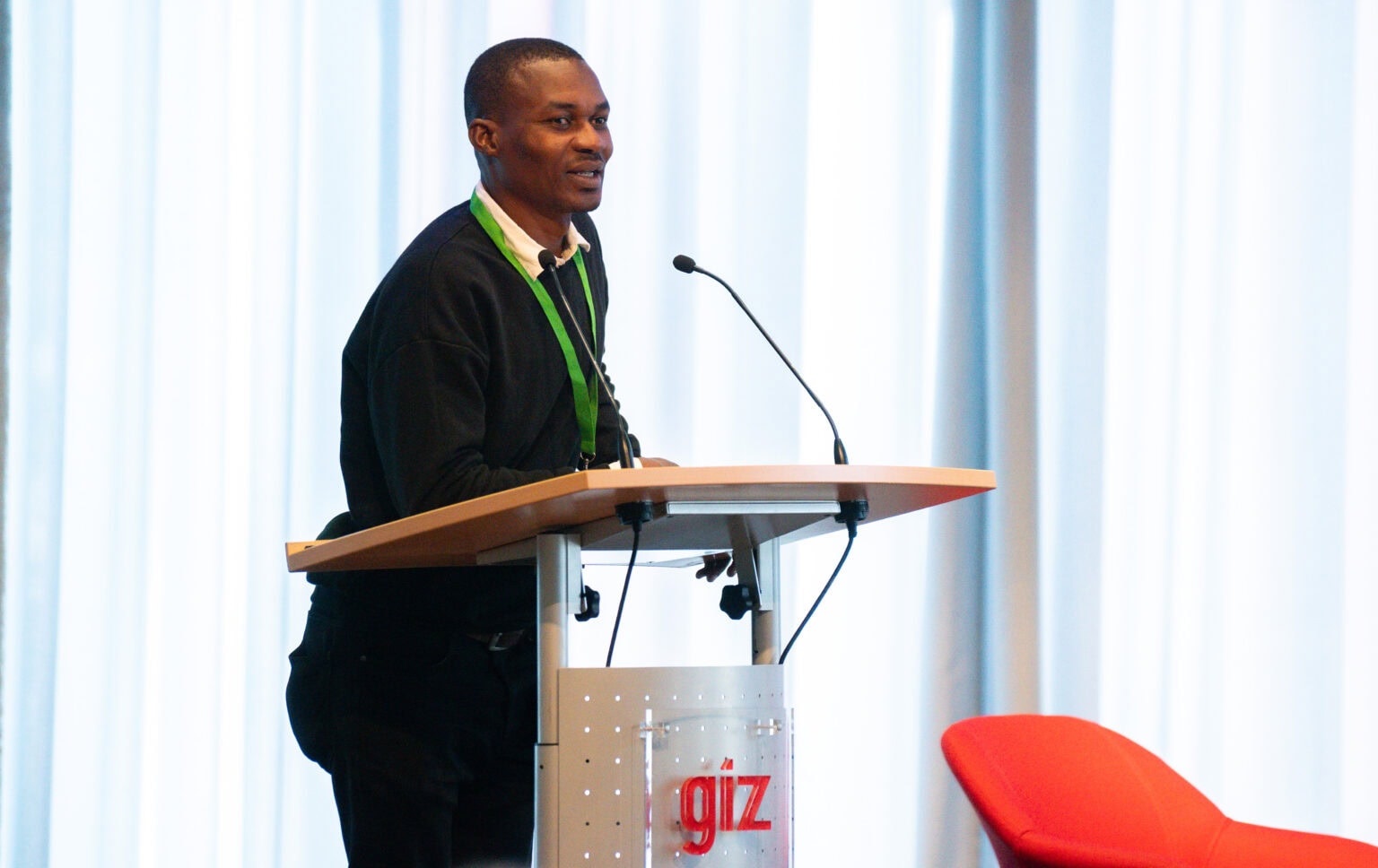
Who bears the burden of compliance? This was the question at the centre of Thursday afternoon’s discussion. Joss Lyons-White (University Cambridge), Emily Gallagher (Landscape Alliance), Tesfaye Berihun (Hawassa University), Lukas Rumboko Wibowo (BRIN) and Pierre-Jean Sol Brasier (FERN) agreed that the burden disproportionately affects smallholders and marginalised communities, including women and indigenous communities. But the panellists also talked about potential solutions, such as landscape approaches. Sol Brasier emphasized the need to empower cooperatives and stated: « The question is how to give more agency and bargaining power to the cooperatives rather than simply including them in the supply chain”.
Chapter 4: Creating an inclusive post-EUDR world
Who bears the burden of compliance? This was the question at the centre of Thursday afternoon’s discussion. Joss Lyons-White (University Cambridge), Emily Gallagher (Landscape Alliance), Tesfaye Berihun (Hawassa University), Lukas Rumboko Wibowo (BRIN) and Pierre-Jean Sol Brasier (FERN) agreed that the burden disproportionately affects smallholders and marginalised communities, including women and indigenous communities. But the panellists also talked about potential solutions, such as landscape approaches. Sol Brasier emphasized the need to empower cooperatives and stated: « The question is how to give more agency and bargaining power to the cooperatives rather than simply including them in the supply chain”.
In the parallel session, participants exchanged ideas on commodity mapping. Christophe Sannier (ESA/GAF) and Antje Ahrends (Royal Botanic Garden Edinburgh), along with a video contribution from Rémi D´Annunzio (FAO), discussed advances in commodity mapping, which is necessary for risk assessments and supply chain transparency. Speakers stressed that smallholder agroforestry systems are difficult to distinguish from forest trees, when applying remote sensing only. The first day concluded with a summary of its results and key takeaways.
In the parallel session, participants exchanged ideas on commodity mapping. Christophe Sannier (ESA/GAF) and Antje Ahrends (Royal Botanic Garden Edinburgh), along with a video contribution from Rémi D´Annunzio (FAO), discussed advances in commodity mapping, which is necessary for risk assessments and supply chain transparency. Speakers stressed that smallholder agroforestry systems are difficult to distinguish from forest trees, when applying remote sensing only. The first day concluded with a summary of its results and key takeaways.
Implementation is a dynamic process. We always have new rules or new geopolitical trade conditions that interact with the EUDR. I am a scientist, so it's good to know that science is being taken seriously as the basis and the bridge for evaluating these interactions between the regulation and existing policy instruments.
Implementation is a dynamic process. We always have new rules or new geopolitical trade conditions that interact with the EUDR. I am a scientist, so it's good to know that science is being taken seriously as the basis and the bridge for evaluating these interactions between the regulation and existing policy instruments.
Chapter 5: A new day begins – Mapping and Trade flows
The second day opened with a session on mapping deforestation, featuring Sarah Carter (World Resources Institute), Timer Manurung (Auriga Nusantara), Juliana Freitas Beyer (Thünen Institute for Forestry) and Martin Persson (Chalmers University). They presented the state-of-the-art approaches to land-use analysis, including AI-assisted methodologies. Sarah Carter stated the importance of modern tools: “The use of near real-time deforestation alerts led to 18% reduction in deforestation in monitored African forests”.
Chapter 5: A new day begins – Mapping and Trade flows
The second day opened with a session on mapping deforestation, featuring Sarah Carter (World Resources Institute), Timer Manurung (Auriga Nusantara), Juliana Freitas Beyer (Thünen Institute for Forestry) and Martin Persson (Chalmers University). They presented the state-of-the-art approaches to land-use analysis, including AI-assisted methodologies. Sarah Carter stated the importance of modern tools: “The use of near real-time deforestation alerts led to 18% reduction in deforestation in monitored African forests”.
The parallel session brought together Michaela Summerer (ITC), Barbara Küpper (Profundo) represented by Chris West (Trase), Thomas Kastner (Senckenberg Institute for Nature Research) and Michaela Foster (EFI) who discussed shifting trade flows and potential price changes for commodities. Key questions raised by West included whether trade might shift where trader relationsships are less formalised and where producer information is hardly available. Commodities could be diverted to non-EU markets or to EU ports with perceived weaker enforcement.
The parallel session brought together Michaela Summerer (ITC), Barbara Küpper (Profundo) represented by Chris West (Trase), Thomas Kastner (Senckenberg Institute for Nature Research) and Michaela Foster (EFI) who discussed shifting trade flows and potential price changes for commodities. Key questions raised by West included whether trade might shift where trader relationsships are less formalised and where producer information is hardly available. Commodities could be diverted to non-EU markets or to EU ports with perceived weaker enforcement.
I find it interesting that there were not only the environmental issues discussed here, but also social aspects and trade. The trade effects were an aspect of the symposium that was very interesting. Now we can make some estimations about impacts. But in 5 years, maybe we will see the real results of the EUDR.
I find it interesting that there were not only the environmental issues discussed here, but also social aspects and trade. The trade effects were an aspect of the symposium that was very interesting. Now we can make some estimations about impacts. But in 5 years, maybe we will see the real results of the EUDR.
Chapter 6: An Afternoon filled with the question of incentives
In parallel, Kyle Dittmer (CIAT), Driss Ezzine De Blas (CIRAD) and Paula Pinto (Climate and Company) explored suitable finance mechanisms for smallholder farmers and forest-dependent communities, including Payments for Ecosystem Services. It is important to combine commercial credits with public finance and technical assistance to reduce the perceived risk for commercial banks. Payments for Ecosystem Services are rather targeted at high-risk areas for deforestation, while EUDR commodities might rather be sourced in low-risk areas.
In parallel, Kyle Dittmer (CIAT), Driss Ezzine De Blas (CIRAD) and Paula Pinto (Climate and Company) explored suitable finance mechanisms for smallholder farmers and forest-dependent communities, including Payments for Ecosystem Services. It is important to combine commercial credits with public finance and technical assistance to reduce the perceived risk for commercial banks. Payments for Ecosystem Services are rather targeted at high-risk areas for deforestation, while EUDR commodities might rather be sourced in low-risk areas.
Financing EUDR compliance cannot only rely on credits or blended finance. We need creativity to create tailored solutions for smallholders. Payment for Ecosystem Services offers a promising path. It aligns compliance with real benefits for farmers.
Financing EUDR compliance cannot only rely on credits or blended finance. We need creativity to create tailored solutions for smallholders. Payment for Ecosystem Services offers a promising path. It aligns compliance with real benefits for farmers.
Chapter 7: Two days of learning, exchange and discussions – What now?
The symposium concluded with a forward-looking discussion about future steps. Constance McDermott (University of Oxford), Chris West and Michaela Foster (EFI) presented a Theory of Change and proposals for an independent monitoring framework for the EUDR.
To assess the EUDR’s impact on deforestation, supply chains and socio-economic factors, it was proposed to set-up a platform to enable a scientifically robust and inclusive way of monitoring the impact of the EUDR.
Chapter 7: Two days of learning, exchange and discussions – What now?
The symposium concluded with a forward-looking discussion about future steps. Constance McDermott (University of Oxford), Chris West and Michaela Foster (EFI) presented a Theory of Change and proposals for an independent monitoring framework for the EUDR.
To assess the EUDR’s impact on deforestation, supply chains and socio-economic factors, it was proposed to set-up a platform to enable a scientifically robust and inclusive way of monitoring the impact of the EUDR.
Katrin Toepfer from the TEI Secretariat concluded the Symposium remarking “We may leave with fewer simple answers – but with better questions”. The Research Symposium has shown where science-based evidence can be turned into clear policy recommendations. While the discussions revealed existing gaps and the need for action, they also underscored progress towards achieving a deforestation-free world, offering hope for the future.
Katrin Toepfer from the TEI Secretariat concluded the Symposium remarking “We may leave with fewer simple answers – but with better questions”. The Research Symposium has shown where science-based evidence can be turned into clear policy recommendations. While the discussions revealed existing gaps and the need for action, they also underscored progress towards achieving a deforestation-free world, offering hope for the future.
Agriculteurs et groupes de gestion des forêts communautaires
Activités clés :
Soutenir les groupes de gestion forestière communautaire dans la gestion durable des ressources naturelles et la création de moyens de subsistance.
Aider les agriculteurs à produire du soja conformément à l’EUDR et à augmenter leur productivité, et mettre en œuvre des projets pilotes de transparence et de traçabilité
Lampung, Kalimantan Occidental et Sulawesi Central
Groupe cible :
Les petits exploitants agricoles, le secteur privé et les organisations de la société civile tout au long des chaînes de valeur
Activités clés :
Autonomiser les petits exploitants agricoles et les organisations d’agriculteurs en facilitant la traçabilité et la légalité, en renforçant les capacités en matière de Bonnes Pratiques Agricoles (BPA) et en renforçant les organisations d’agriculteurs, en garantissant un soutien inclusif aux agriculteurs et aux agricultrices.
Promouvoir des pratiques durables et la collaboration en soutenant les efforts de conservation des HVC/HCS des villages, en testant et en renforçant le tableau de bord national pour la traçabilité et la légalité, et en favorisant les échanges nationaux et régionaux.
Réserve de biosphère de Yangambi, Parc National de la Salonga Nord, Parc National de la Salonga Sud, Parc National des Virunga, Parc National de Kahuzi-Biéga