

A three-year trade relationship between Alto Huino, a coffee-producing community in the Ecuadorian Amazon, and Quijote Kaffee, a German specialty coffee importer, faced an uncertain future. The intermediary organization responsible for exporting Alto Huino’s coffee ceased operations due to financial difficulties, leaving producers without a way to continue supplying their buyer. At the same time, the European Union Deforestation Regulation (EUDR) introduced new traceability and due diligence requirements for coffee imports, creating additional challenges for maintaining access to the European market.
Preserving this commercial relationship required a new collaborative solution.
SAFE Ecuador facilitated a partnership between Alto Huino’s producers and Waylla Kuri (Indigenous Language, Kichwa, for “green gold”), an Amazonian producer organization with export capacity. This collaboration enabled Alto Huino’s producers to continue supplying coffee to Quijote Kaffee through a new export pathway, while strengthening their organizational structure and preparing to adapt to the EUDR.
Over two years, SAFE Ecuador:
- Supported Alto Huino’s transition from an informal producer community into the legally established cooperative COOPACAF, strengthening its capacity to participate in international markets.
- Facilitated Alto Huino’s integration into Waylla Kuri’s export model, ensuring the continuity of coffee exports to Quijote Kaffee while strengthening formalization, traceability and EUDR risk management processes.
- Supported the implementation of traceability systems in Alto Huino and Waylla Kuri, enabling coffee to be tracked from each chakra* through to export.
Chakra
The implemented and interconnected traceability systems:
- Demonstrate deforestation-free origin: GPS data and satellite monitoring confirm no forest has been cleared for production.
- Document social impact: records verify that 95% of producers belong to Kichwa families, making their participation in the supply chain visible and enabling their involvement in coffee production to be tracked.
- Demonstrate compliance with EUDR requirements: they automatically generate due diligence data required by the importer to support its due diligence statement to European customs authorities, thereby reducing errors that could lead to delays and additional costs during export.
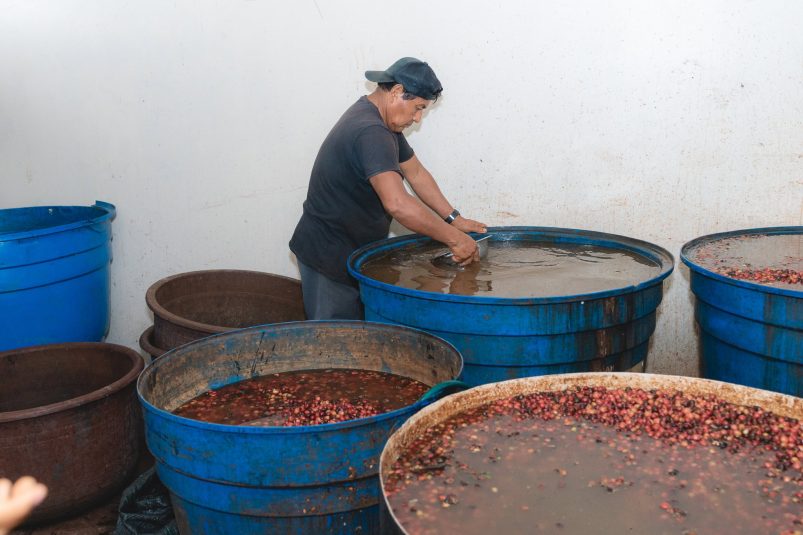
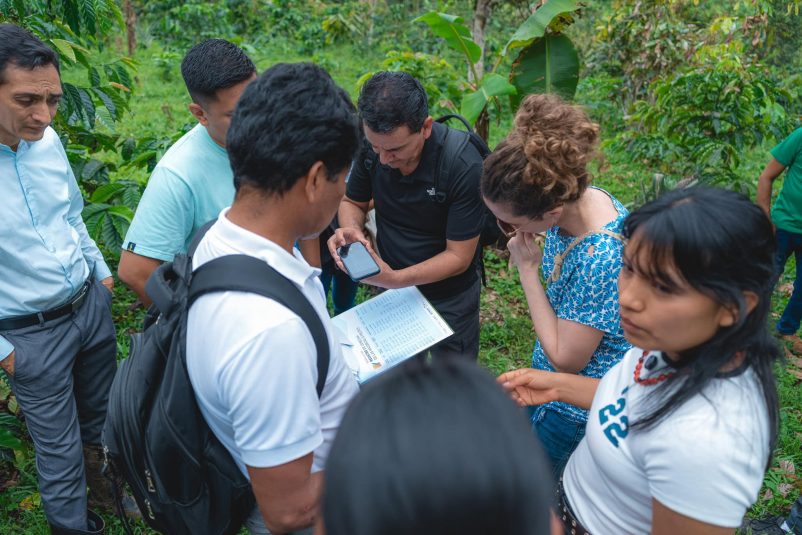
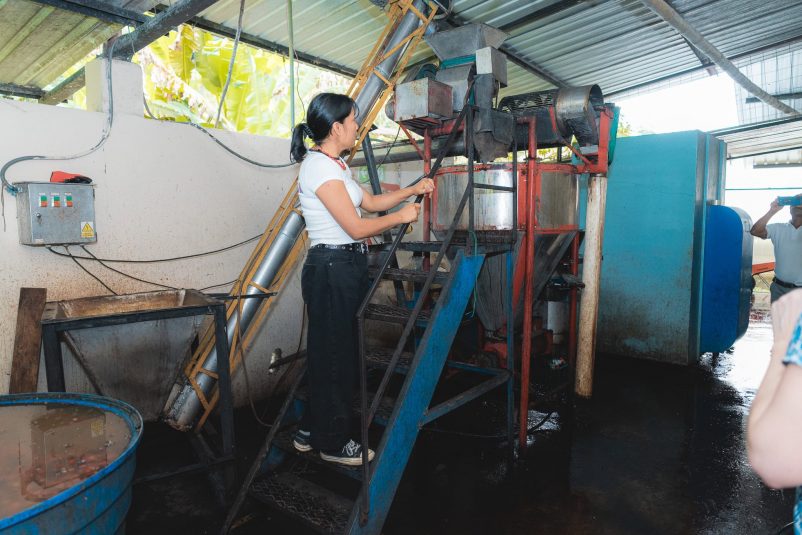
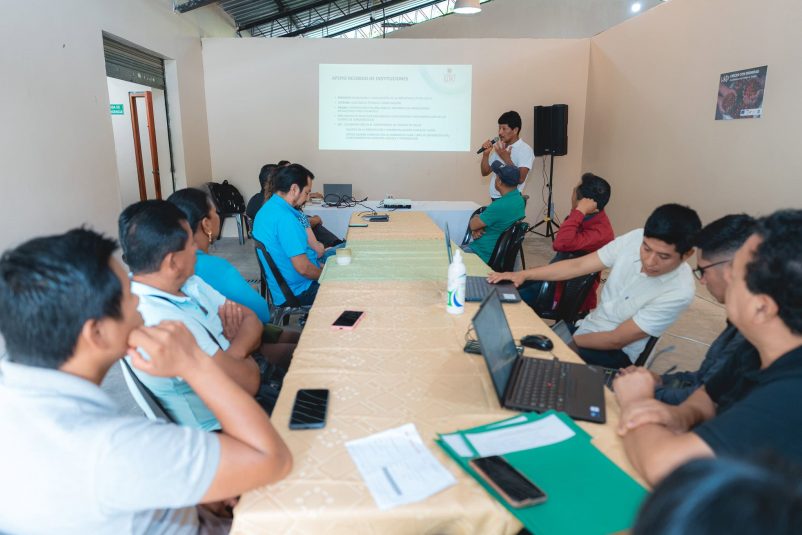
The results are evident in Alto Huino’s commercial growth. Since joining SAFE Ecuador, the volume of coffee marketed by Alto Huino through Waylla Kuri to Quijote Kaffee increased from 20 quintals in 2024 to 40 quintals in 2026. At the same time, the community consolidated itself as a cooperative, making it possible to strengthen production monitoring, improve quality management and consolidate traceability from origin to export.
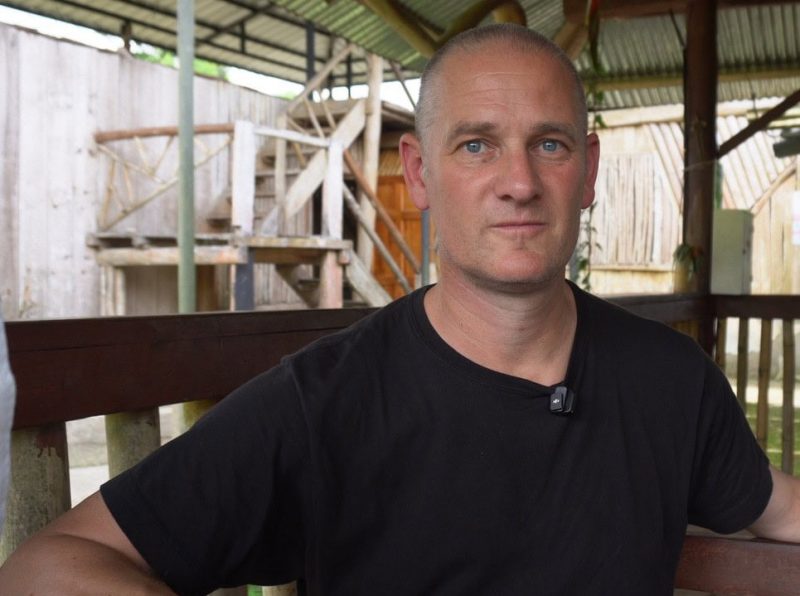
We now have confidence that our coffee supply is secure. We can also look to the future with confidence, knowing that both the quality and quantity of the coffee are ensured, along with compliance with European regulations.
Pingo, Roaster and Founder of Quijote Kaffee
Beyond these results, SAFE Ecuador achieved something uncommon: connecting two producer organizations from different Amazonian provinces through a shared commercial partnership to seize a market opportunity in a region where long distances, limited connectivity and difficult access often make collaboration challenging.
Today, the commercial partnership coordinated through Waylla Kuri brings together 451 chakra coffee producers, more than 95% of whom belong to Kichwa families, while 55.3% are women, who play a key role in harvesting and quality control.
This experience demonstrates that maintaining access to international markets is not only about finding a new commercial partner. It also requires strengthening local organizations, building trust throughout the supply chain and creating the conditions for long-term collaboration. By connecting Amazonian producer organizations with international buyers such as Quijote Kaffee, SAFE Ecuador helped transform a commercial disruption into an opportunity to build a stronger, more resilient and more transparent coffee value chain.
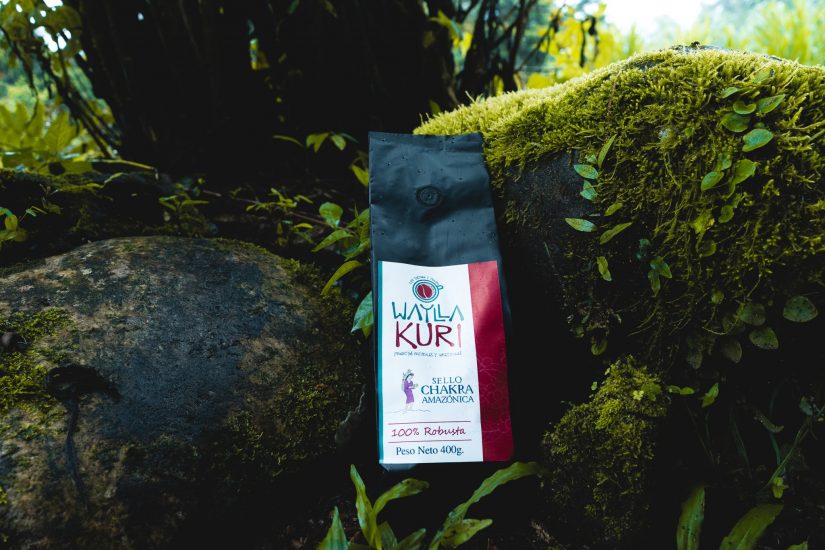
SAFE Ecuador carried out activities from September 2022 to June 2026. The programme’s achievements and impacts are documented in the articles, knowledge products, and reports available on this website.


