Learning Across Borders: How Agrobusiness Clusters are Strengthening Deforestation-Free Coffee and Cocoa Value Chains in the DRC 

Partnerships between producers, cooperatives and companies can facilitate access to markets, services, equipment and capacity building.

Building stronger partnerships for sustainable value chains

For many smallholder coffee and cocoa producers in the Democratic Republic of the Congo (DRC), building reliable business relationships with buyers accessing the EU market remains a challenge. While cooperatives play a crucial role in aggregating production, business relationships between producers, buyers and exporters are often informal, fragmented and vulnerable to market fluctuations. 

To address these challenges, the SAFE project adopted the Agrobusiness Cluster model, an innovative organisational framework which brings together producers, cooperatives, buyers, exporters and service providers to strengthen coordination, jointly address challenges and build long-term commercial relationships.  

Today, twenty coffee and cocoa cooperatives participate in Agrobusiness Clusters that bring together producers, cooperatives, buyers and exporters supplying the European market. 

Through this collaborative approach, the SAFE project in partnership with the CongoAgri Platform supports cooperatives in: 

  • strengthening technical capacities on deforestation-free production;  
  • improving traceability systems and land tenure awareness;  
  • developing inclusive business models; and 
  • facilitating commercial partnerships and sales contracts with buyers and exporters. 


Together, these efforts help cooperatives prepare for the requirements of the EU Deforestation Regulation (EUDR) and contribute to more transparent and resilient coffee and cocoa value chains while supporting the protection of the DRC’s forest ecosystems. 

You are currently viewing a placeholder content from Vimeo. To access the actual content, click the button below. Please note that doing so will share data with third-party providers.

More Information

Learning from experience: From regional exchange to local action

Recognising that some of the strongest lessons come from peer exchange, SAFE organised a study visit to Côte d’Ivoire and Togo, bringing together representatives of cooperatives and other strategic actors from the coffee and cocoa sectors. In Côte d’Ivoire, the delegation exchanged with the GIZ PRO-PLANTEURS III project, while in Togo, the visit focused on experiences from the GIZ ProComp project. The objective was to learn from approaches that have proven successful elsewhere and explore how they could inform the further development of Agrobusiness Clusters in the DRC.

The exchange highlighted several factors that are essential for building strong and sustainable cooperatives. Professionalisation requires time and structured support, while sustainable commercial partnerships depend on transparency, mutual commitment and trust. Just as importantly, cooperatives need to create tangible socio-economic benefits for their members and their households to build lasting member loyalty.

What inspired me most was a model of governance based on transparency, accountability and the creation of value for producers.

The lessons from the study tour will now be adapted to the Congolese context – not by replicating existing models, but by identifying which elements can be adapted to local realities and the needs of producers. This includes more tailored coaching for cooperatives, the development of inclusive contract farming models adapted to the coffee and cocoa sectors, and stronger dialogue between producers, buyers and public-sector actors.  

Together, these measures will contribute to the continued development of the Agrobusiness Cluster approach in the DRC, helping cooperatives build more resilient, inclusive and sustainable relationships along the value chain!
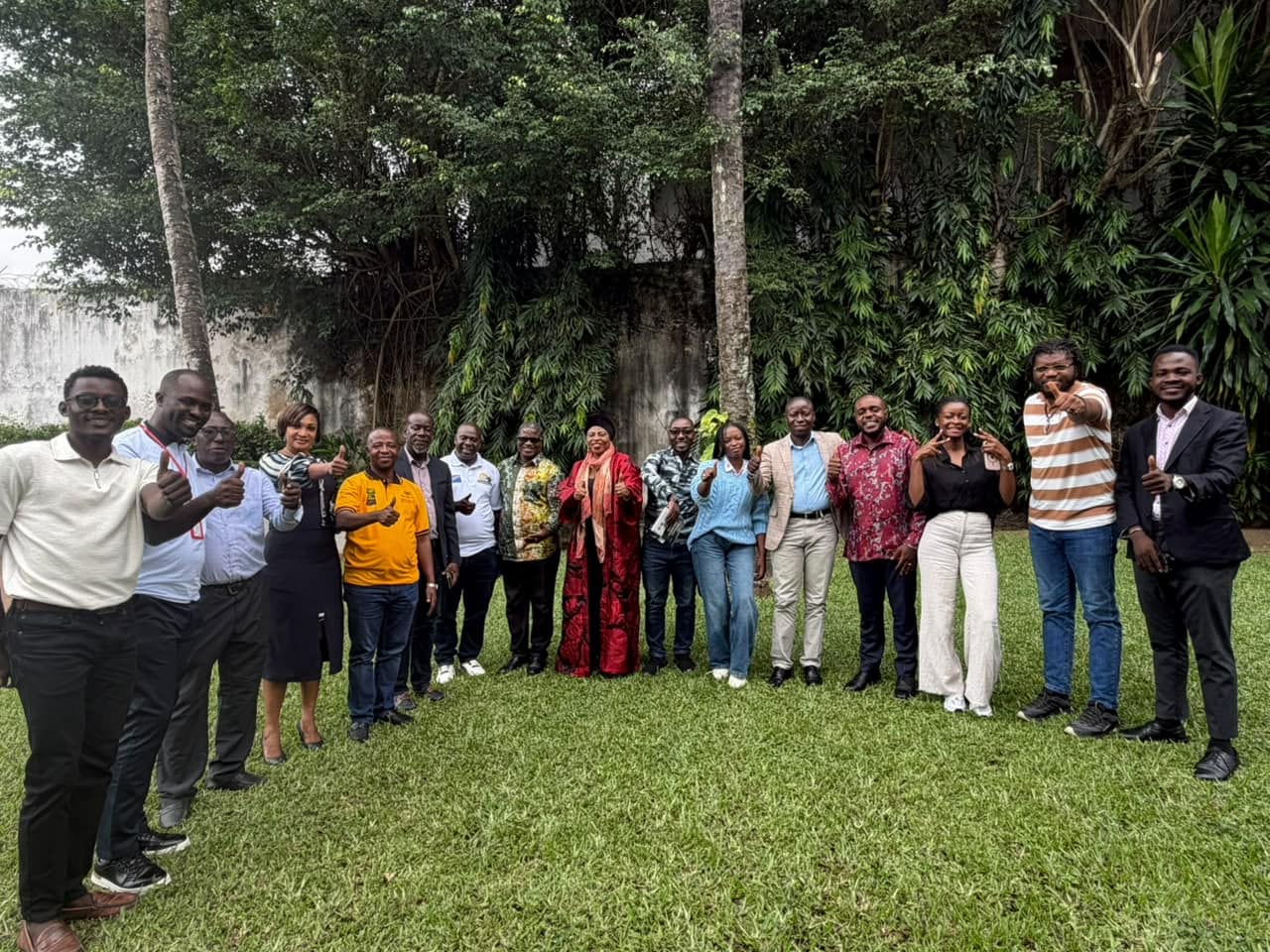
© GIZ - Yves Tshibangu
Group photo of participants in the regional exchange visit.
Region:

Luwero, Nakaseke, Kassanda, Mubende, Bukomansimbi, Kyotera, Omoro, and Nwoya

Target group:

Smallholder farmers, traders, state and non state actors, and processors

Key activities:
  • Capacity building of smallholder coffee farmers in production practices and sustainable land use management.
  • Establishing traceability system and facilitating access to sustainable financing 
  • Facilitate inclusive business partnerships between producer organizations and supply chain actors​ 
  • Promote multi-stakeholder cooperation​ 
Commodities:
Region:

Huánuco, Ucayali, Pasco and Junín

Target group:

Public and private stakeholders, especially exporting companies, cooperatives and smallholder producers

Key activities:
  • Strengthen the supply chains to meet EUDR requirements 
  • Facilitate access to sustainable finance and knowledge exchange
  • Training of smallholders to sustainable manage their production systems 
Commodities:
Region:

Ngozi and Kayanza 

Target group:

Smallholders

Key activities:
  • Training on the use of traceability tools and support on collection of geolocation data for EUDR compliance 
  • Support the development of a national coffee sector dashboard for traceability and transparency
  • Capacity building of smallholder coffee farmers in production practices and sustainable land use management.​ 
Commodities:
Region:

Centre, South West, Littoral, South, East and West regions

Target group:

Smallholder farmers, women, youth, and indigenous peoples

Key activities:
  • Develop inclusive business partnerships with the private sector 
  • Facilitate access to finance for sustainable business models 
  • Support and train farmers in open-source traceability systems 
  • Promote multistakeholder dialogues to improve legal and regulatory provisions 
Commodities:
Region:

(Lower) Kafue Catchment Ecosystem

Target group:

Farmers and community forest management groups

Key activities:
  • Support community forest management groups in the
    sustainable management of natural resources and livelihood creation
  • Support farmers to produce soy in line with the EUDR and increase productivity, and implement transparency and traceability pilots
Commodities:
Region:

Lampung, West Kalimantan, and Central Sulawesi

Target group:

Smallholder farmers, private sector, and civil society organizations along the value chains

Key activities:
  • Empowering Smallholder Farmers and Farmer Organizations by facilitating traceability and legality, building capacity on Good Agriculture Practices (GAP), and strengthening farmer organizations, ensuring inclusive support for both men and women farmers.
  • Promoting sustainable practices and collaboration by supporting village HCV/HCS conservation efforts, testing and strengthening the National Dashboard for traceability and legality, and fostering national and regional exchanges.
Commodities:
Region:

Son La, Gia Lai ​​

Target group:

Smallholder farmers and marginalized groups

Key activities:
  • Support coffee value chain actors
  • Foster deforestation-free, sustainable, and legal supply chains
Commodities:
Region:

Yangambi Biosphere Reserve, Salonga National Park North, Salonga National Park South, Virunga National Park, Kahuzi-Biéga National Park​

Target group:

Public and private sector

Key activities:
  • Promote sustainable agricultural practices
  • Minimize forest degradation
  • Prevent deforestation
Commodities:
Region:

Provinces of Orellana and Sucumbíos

Target group:

Smallholder farmers, women, indigenous people and youth

Key activities:
  • Promoting Multi Stakeholder Dialogues
  • Improving traceabilty systems
Commodities:
Region:

Xingu territory, State of Pará

Target group:

Family farmers

Key activities:
  • Improve market access, value creation, and access to sustainable finance
  • Integrate farmers into traceability systems
Commodities:
Global activities