Training as the foundation of building Farmer-Led EUDR Compliance in Vietnam

Hundreds of technical staff and farmer group leaders across Son La and Gia Lai have completed Training of Trainers (ToT) programmes under German-Vietnamese cooperation, aimed at strengthening farmer-led EUDR compliance in coffee-growing communities. The training combined EUDR regulatory requirements, land legality verification and polygon mapping with a gender-responsive component, addressing both the technical and social conditions needed for equitable participation in the coffee value chain. 

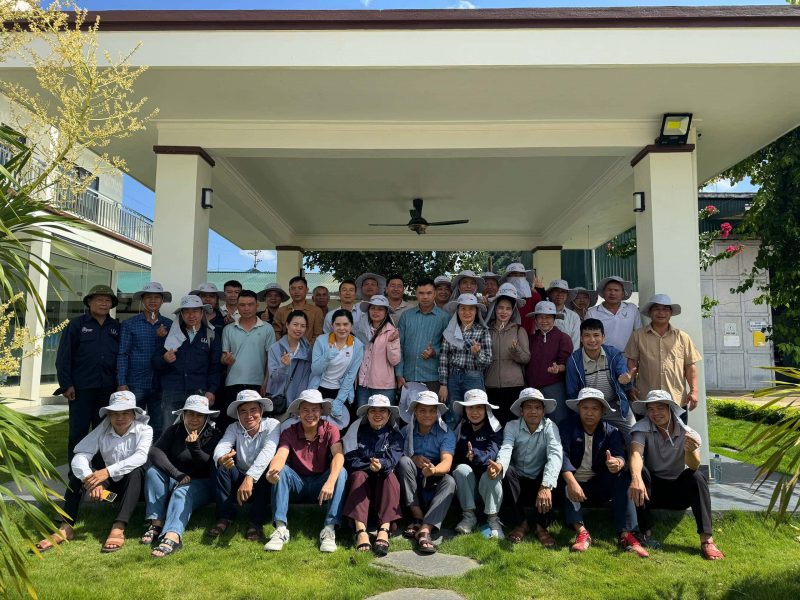
250 trainers equipped with technical and field skills - Roll out to over 8,000 households

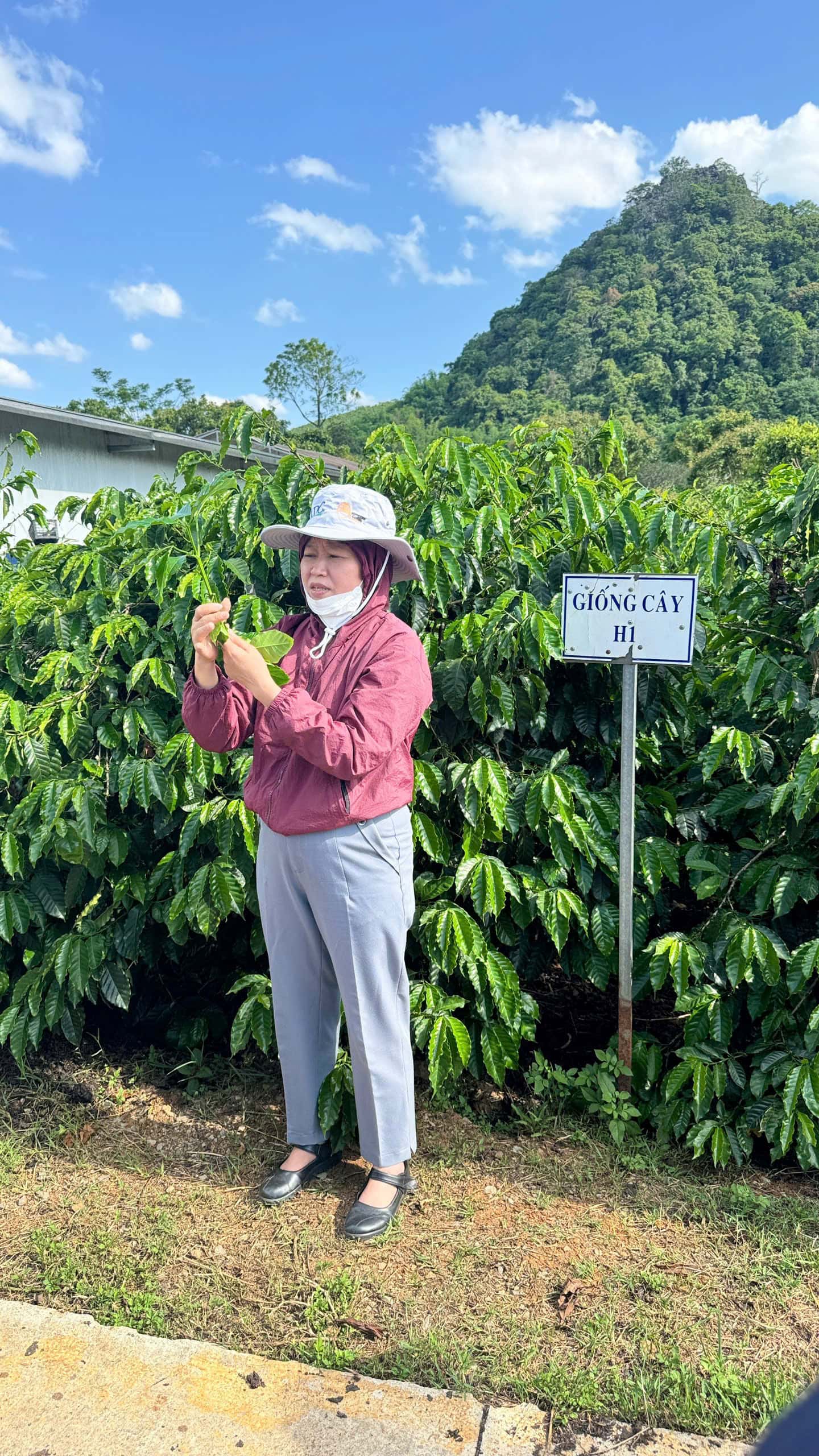
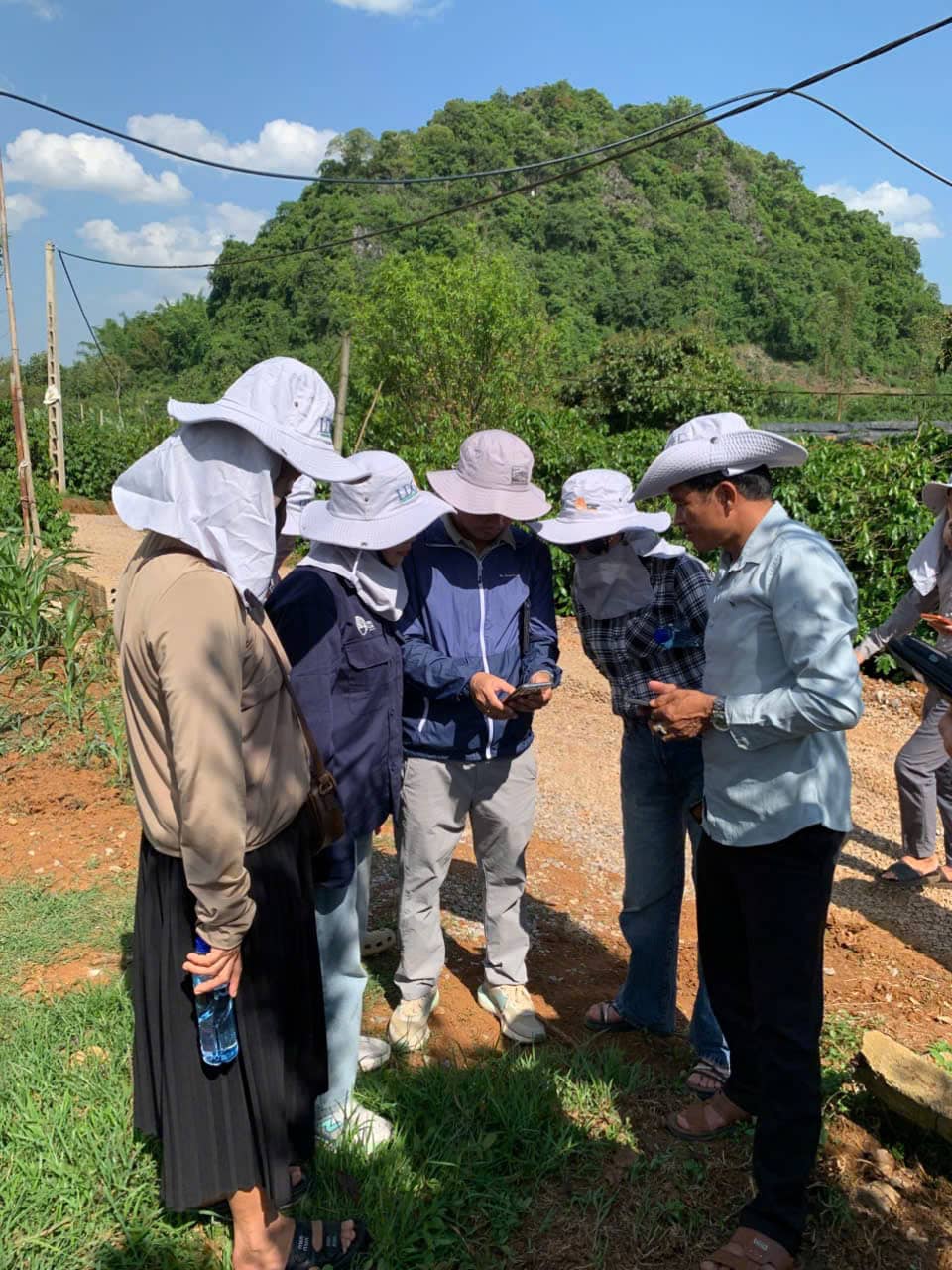
The EUDR compliance programme trained 250 participants (35% women), drawn from technical staff in both public and private sectors among with local farmers. Content covered EUDR regulations and common misconceptions, land legality, and polygon mapping for coffee plots. A substantial part of the training took place in the field, where participants conducted deforestation risk assessments using data they had collected on their own land. 

These 250 trainers mark the starting point of a journey that will reach over 8,000 farming households across the two provinces. Farmers will be trained to map their own plot boundaries and manage their own records, reducing reliance on external service providers and strengthening their active standing in meeting traceability requirements of the coffee value chain. 

Photo 3
© GIZ Vietnam

Gender equality integrated into the training approach

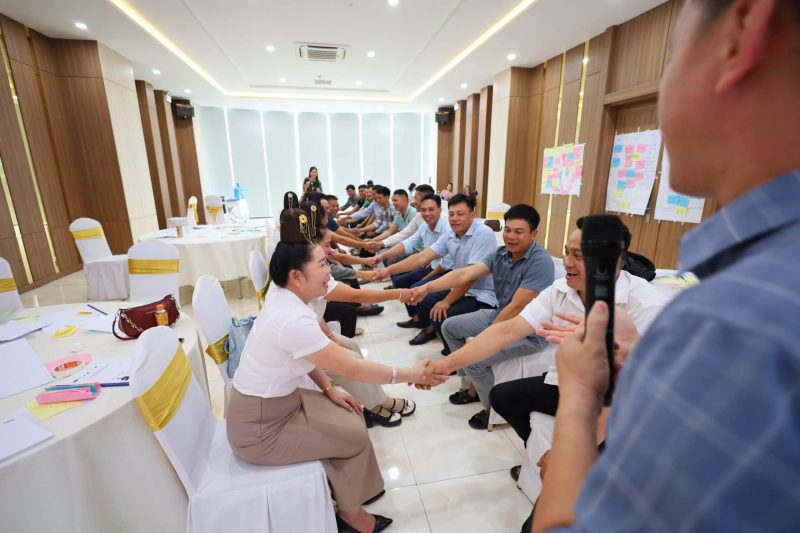
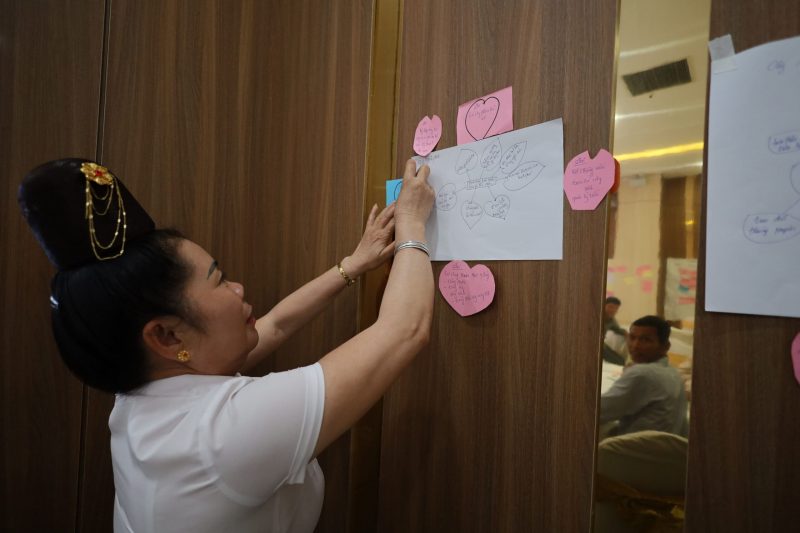
The training also incorporated the GALS toolkit (Gender Action Learning System), delivered in partnership with Detech Coffee and Vietnam International Women Coffee Alliance. Until now, farmer group leaders and 300 coffee farmers (50% women) in Chieng Mai, Son La applied three GALS tools, the Diamond Dream, the Gender Balance Tree and the Gender Box, to examine labour division, access to resources, and decision-making within households and producer groups.  

Photo 4
© GIZ Vietnam

From now on, when I get home I'll ask my wife if she's tired, if she needs any help

one participant shared after practising the Gender Balance Tree, a tool that helped him see clearly who was doing what, at home and in the garden.

Photo 5
© GIZ Vietnam

Participants reported improved household communication and more shared responsibility around farming financial decision creating stronger, more sustained engagement in coffee production over time. These trainings will be expanded to Gia Lai by the next month, awaiting new insights and interactive participance.  

These activities are the result of German-Vietnamese cooperation, co-funded by the European Union and the Netherlands Ministry of Foreign Affairs, implemented in coordination with Vietnam’s Ministry of Agriculture and Environment, the Departments of Agriculture and Environment of Son La and Gia Lai provinces, and coffee enterprises Phuc Sinh Son La, Detech Coffee, LDC, and OFI. 

Region:

Luwero, Nakaseke, Kassanda, Mubende, Bukomansimbi, Kyotera, Omoro, and Nwoya

Target group:

Smallholder farmers, traders, state and non state actors, and processors

Key activities:
  • Capacity building of smallholder coffee farmers in production practices and sustainable land use management.
  • Establishing traceability system and facilitating access to sustainable financing 
  • Facilitate inclusive business partnerships between producer organizations and supply chain actors​ 
  • Promote multi-stakeholder cooperation​ 
Commodities:
Region:

Huánuco, Ucayali, Pasco and Junín

Target group:

Public and private stakeholders, especially exporting companies, cooperatives and smallholder producers

Key activities:
  • Strengthen the supply chains to meet EUDR requirements 
  • Facilitate access to sustainable finance and knowledge exchange
  • Training of smallholders to sustainable manage their production systems 
Commodities:
Region:

Ngozi and Kayanza 

Target group:

Smallholders

Key activities:
  • Training on the use of traceability tools and support on collection of geolocation data for EUDR compliance 
  • Support the development of a national coffee sector dashboard for traceability and transparency
  • Capacity building of smallholder coffee farmers in production practices and sustainable land use management.​ 
Commodities:
Region:

Centre, South West, Littoral, South, East and West regions

Target group:

Smallholder farmers, women, youth, and indigenous peoples

Key activities:
  • Develop inclusive business partnerships with the private sector 
  • Facilitate access to finance for sustainable business models 
  • Support and train farmers in open-source traceability systems 
  • Promote multistakeholder dialogues to improve legal and regulatory provisions 
Commodities:
Region:

(Lower) Kafue Catchment Ecosystem

Target group:

Farmers and community forest management groups

Key activities:
  • Support community forest management groups in the
    sustainable management of natural resources and livelihood creation
  • Support farmers to produce soy in line with the EUDR and increase productivity, and implement transparency and traceability pilots
Commodities:
Region:

Lampung, West Kalimantan, and Central Sulawesi

Target group:

Smallholder farmers, private sector, and civil society organizations along the value chains

Key activities:
  • Empowering Smallholder Farmers and Farmer Organizations by facilitating traceability and legality, building capacity on Good Agriculture Practices (GAP), and strengthening farmer organizations, ensuring inclusive support for both men and women farmers.
  • Promoting sustainable practices and collaboration by supporting village HCV/HCS conservation efforts, testing and strengthening the National Dashboard for traceability and legality, and fostering national and regional exchanges.
Commodities:
Region:

Son La, Gia Lai ​​

Target group:

Smallholder farmers and marginalized groups

Key activities:
  • Support coffee value chain actors
  • Foster deforestation-free, sustainable, and legal supply chains
Commodities:
Region:

Yangambi Biosphere Reserve, Salonga National Park North, Salonga National Park South, Virunga National Park, Kahuzi-Biéga National Park​

Target group:

Public and private sector

Key activities:
  • Promote sustainable agricultural practices
  • Minimize forest degradation
  • Prevent deforestation
Commodities:
Region:

Provinces of Orellana and Sucumbíos

Target group:

Smallholder farmers, women, indigenous people and youth

Key activities:
  • Promoting Multi Stakeholder Dialogues
  • Improving traceabilty systems
Commodities:
Region:

Xingu territory, State of Pará

Target group:

Family farmers

Key activities:
  • Improve market access, value creation, and access to sustainable finance
  • Integrate farmers into traceability systems
Commodities:
Global activities