Training as the foundation of building Farmer-Led EUDR Compliance in Vietnam
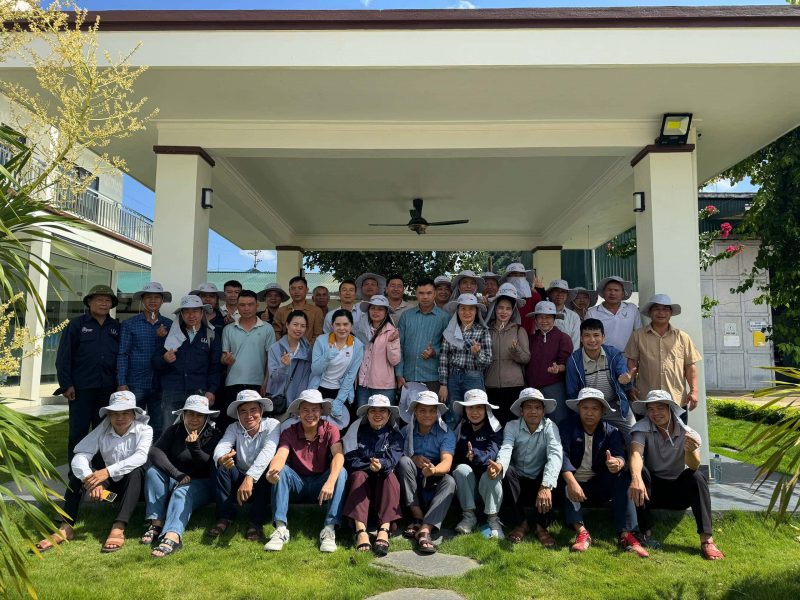
Hundreds of technical staff and farmer group leaders across Son La and Gia Lai have completed Training of Trainers (ToT) programmes under German-Vietnamese cooperation, aimed at strengthening farmer-led EUDR compliance in coffee-growing communities. The training combined EUDR regulatory requirements, land legality verification and polygon mapping with a gender-responsive component, addressing both the technical and social conditions needed for equitable participation in the coffee value chain.
250 trainers equipped with technical and field skills - Roll out to over 8,000 households
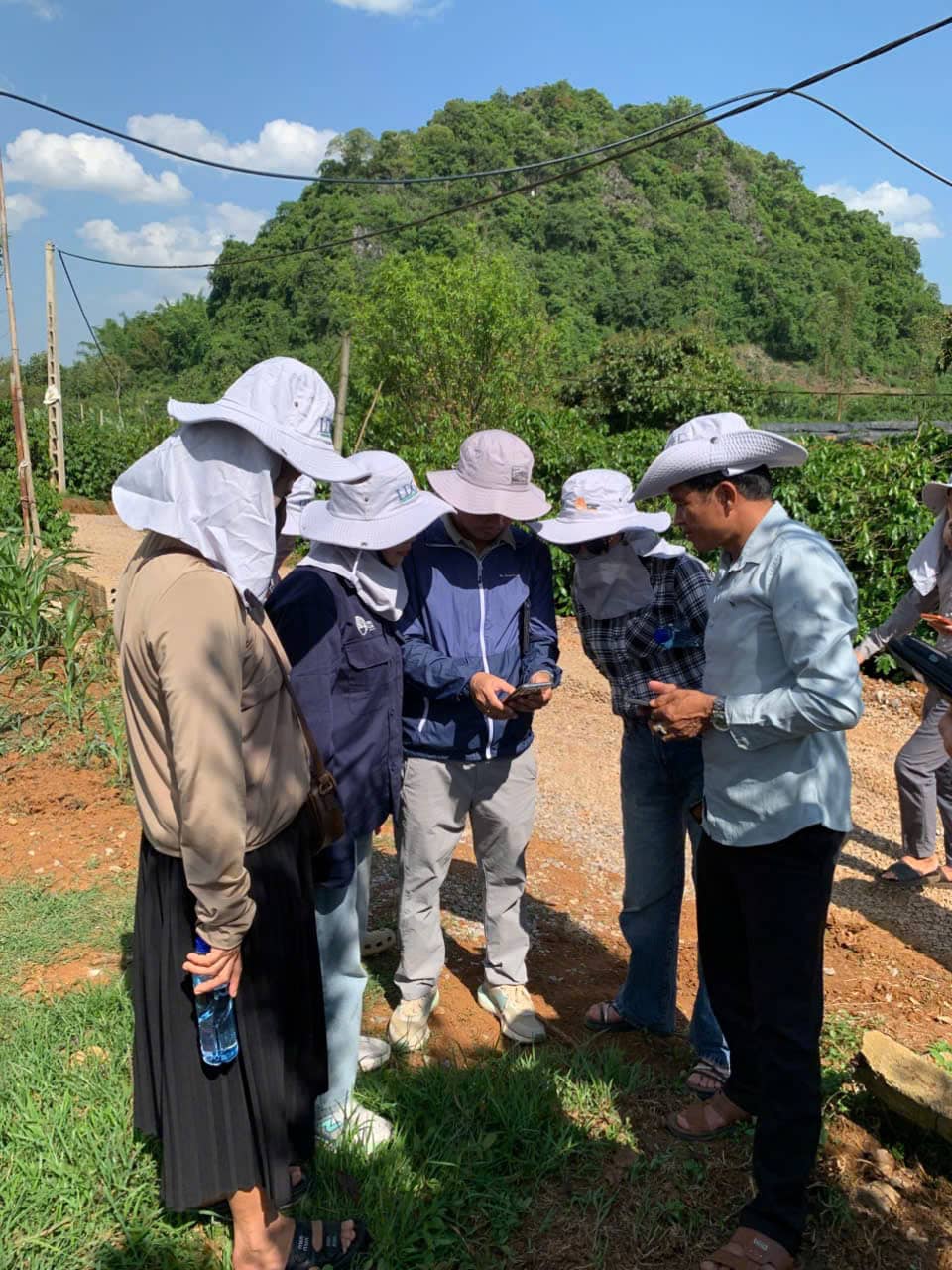
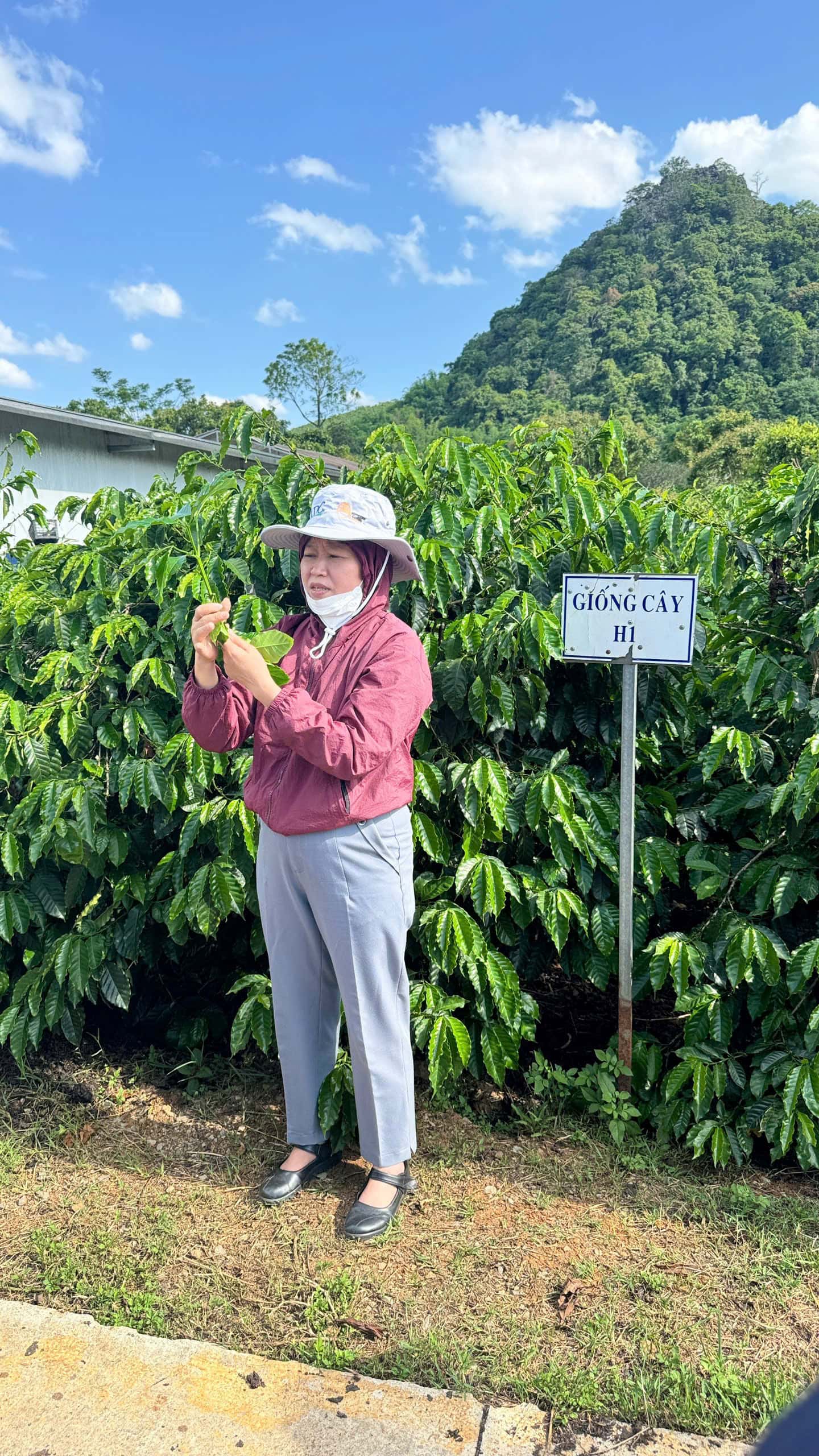
The EUDR compliance programme trained 250 participants (35% women), drawn from technical staff in both public and private sectors among with local farmers. Content covered EUDR regulations and common misconceptions, land legality, and polygon mapping for coffee plots. A substantial part of the training took place in the field, where participants conducted deforestation risk assessments using data they had collected on their own land.
These 250 trainers mark the starting point of a journey that will reach over 8,000 farming households across the two provinces. Farmers will be trained to map their own plot boundaries and manage their own records, reducing reliance on external service providers and strengthening their active standing in meeting traceability requirements of the coffee value chain.
Gender equality integrated into the training approach
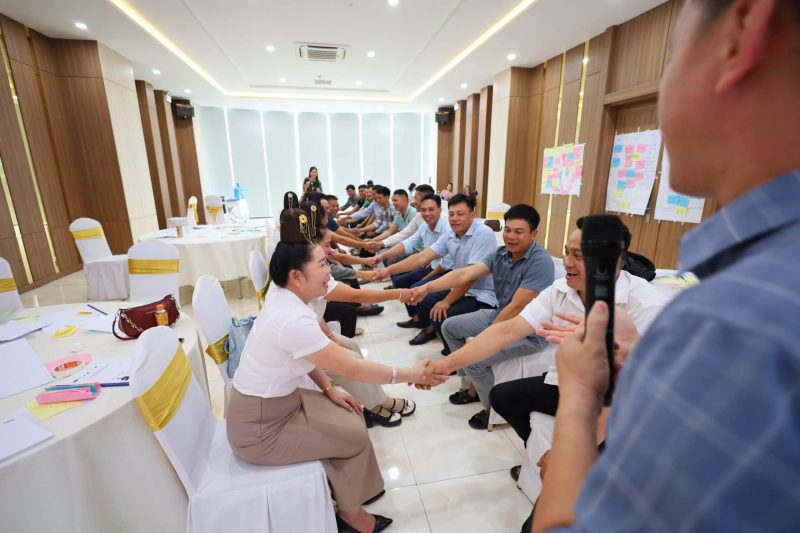
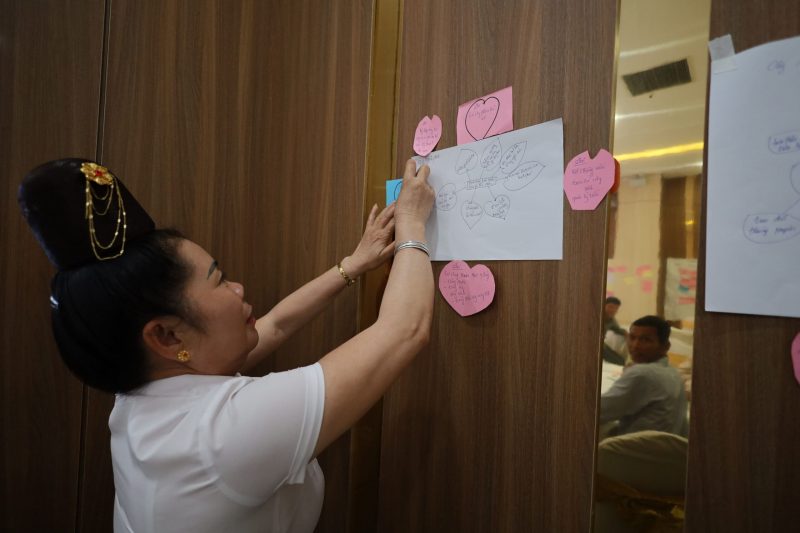
The training also incorporated the GALS toolkit (Gender Action Learning System), delivered in partnership with Detech Coffee and Vietnam International Women Coffee Alliance. Until now, farmer group leaders and 300 coffee farmers (50% women) in Chieng Mai, Son La applied three GALS tools, the Diamond Dream, the Gender Balance Tree and the Gender Box, to examine labour division, access to resources, and decision-making within households and producer groups.
Participants reported improved household communication and more shared responsibility around farming financial decision creating stronger, more sustained engagement in coffee production over time. These trainings will be expanded to Gia Lai by the next month, awaiting new insights and interactive participance.
These activities are the result of German-Vietnamese cooperation, co-funded by the European Union and the Netherlands Ministry of Foreign Affairs, implemented in coordination with Vietnam’s Ministry of Agriculture and Environment, the Departments of Agriculture and Environment of Son La and Gia Lai provinces, and coffee enterprises Phuc Sinh Son La, Detech Coffee, LDC, and OFI.
Ecossistema da Bacia Hidrográfica do Kafue (Inferior)
Público-alvo:
Agricultores e grupos de gestão florestal comunitária
Principais atividades:
Apoiar grupos de gestão florestal comunitária na gestão sustentável dos recursos naturais e criação de meios de subsistência
Apoiar os agricultores na produção de soja em conformidade com a EUDR e aumentar a produtividade, e implementar projetos-piloto de transparência e rastreabilidade
Pequenos agricultores, sector privado e organizações da sociedade civil ao longo das cadeias de valor
Principais atividades:
Capacitar os pequenos agricultores e as organizações de agricultores facilitando a rastreabilidade e a legalidade, desenvolvendo a capacidade em Boas Práticas Agrícolas (BPA) e fortalecendo as organizações de agricultores, garantindo o apoio inclusivo para os agricultores homens e mulheres.
Promover práticas sustentáveis e colaboração através do apoio aos esforços de conservação de HCV/HCS nas aldeias, testando e fortalecendo o Painel Nacional para a rastreabilidade e legalidade, e fomentando intercâmbios nacionais e regionais.