

A policy developed with women in the cocoa sector aims to strengthen their leadership and transform organisations in response to new challenges facing the value chain, including the European Union Deforestation Regulation (EUDR).
Peru’s cocoa value chain is at a turning point. Alongside challenges relating to productivity, quality, marketing and sustainability, new requirements are emerging for access to international markets. These include the implementation of the European Union Regulation on deforestation-free products (EUDR), which will require cocoa sold in that market to meet requirements relating to deforestation, legality and due diligence.
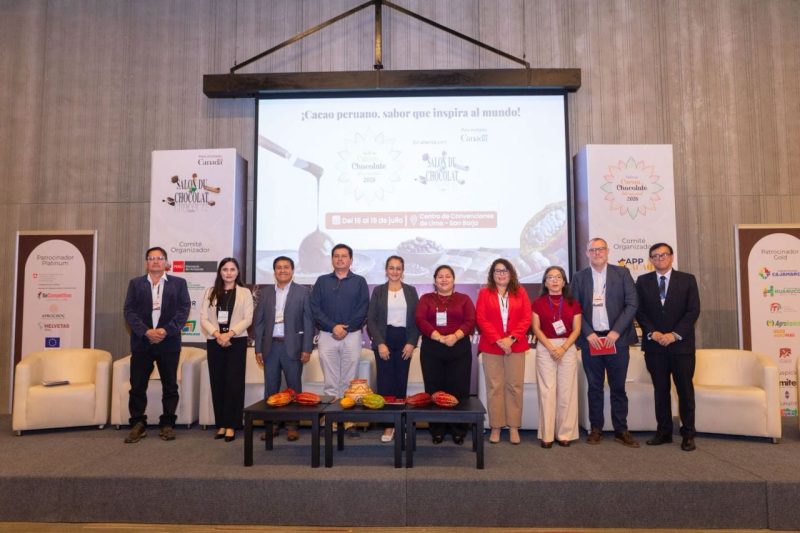
Against this backdrop, the Peruvian Association of Cocoa Producers (APPCACAO) has taken an important step by developing and adopting its Institutional Gender Equality Policy 2025–2028. The initiative aims to make gender equality a lasting part of how cocoa organisations operate.
More than a decade of progress
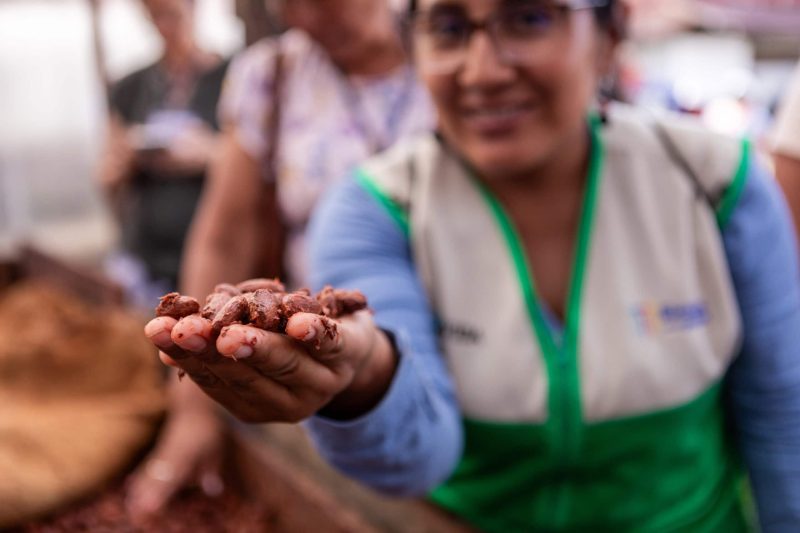
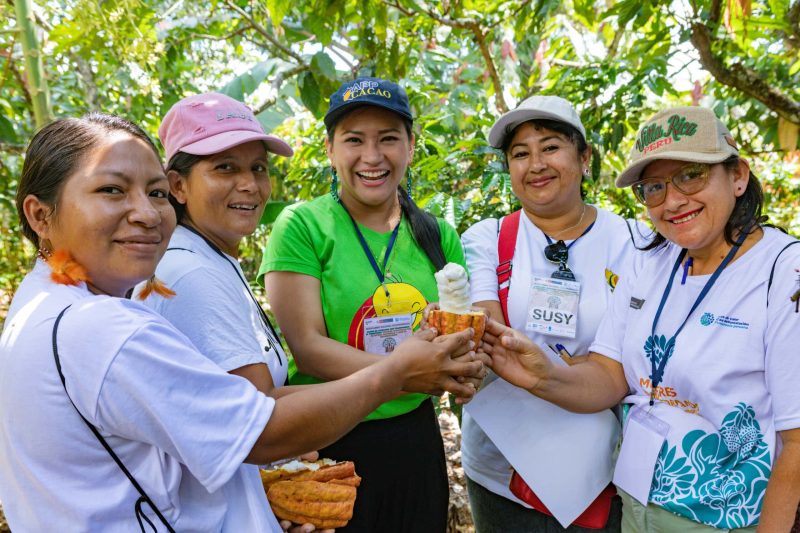
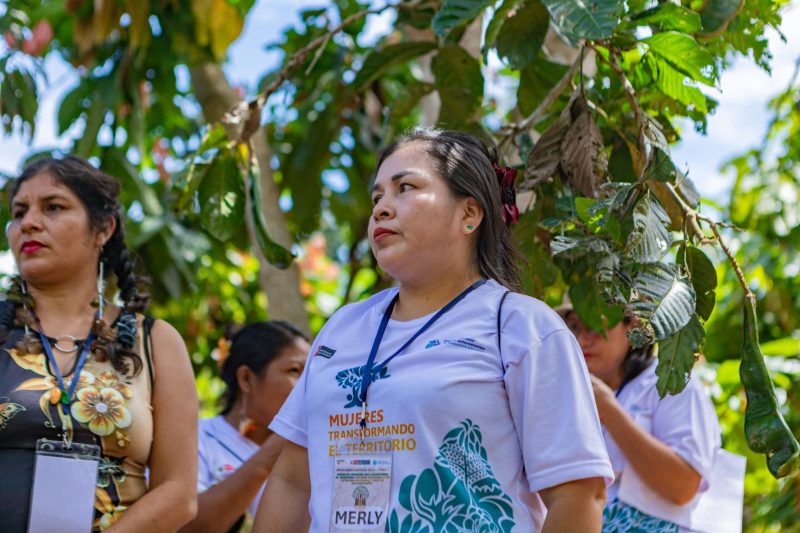
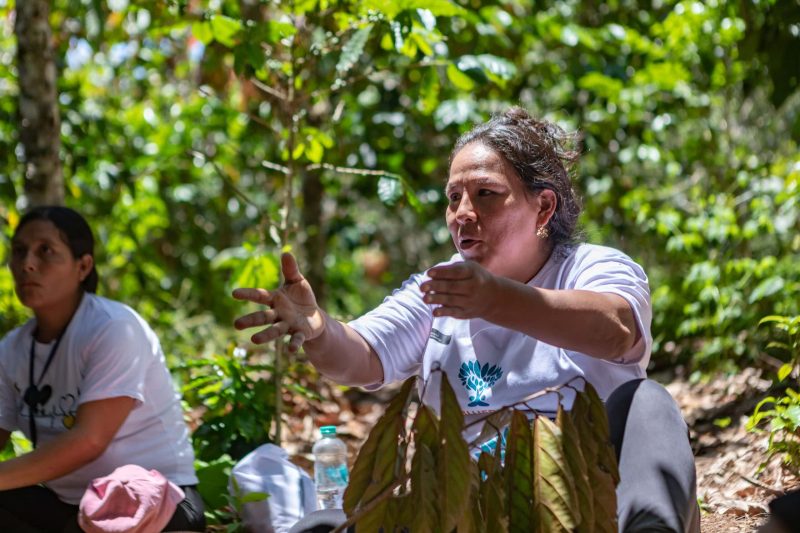
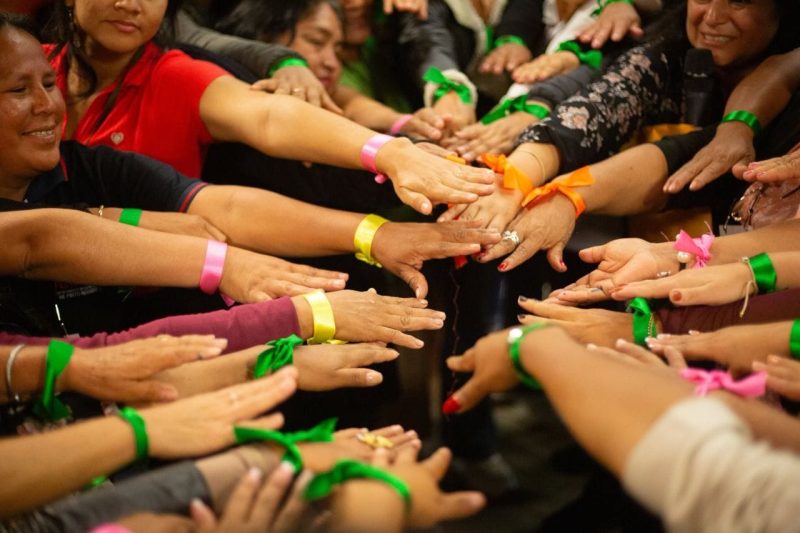
The policy is the result of a process that began more than ten years ago with assessments, meetings and activities to highlight women’s role in the value chain. One of its main outcomes was the creation and consolidation of the National Network of Women Cocoa Producers, which has become a space for exchange, training and leadership.
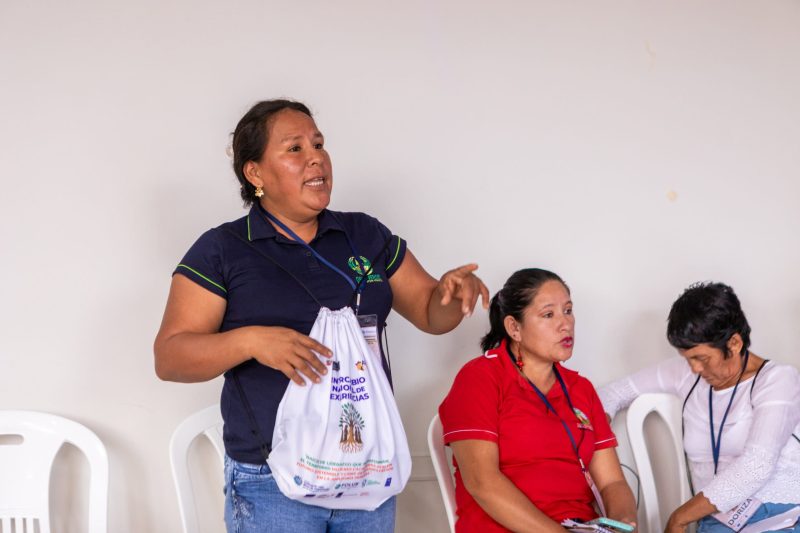
In recent years, these efforts have intensified. In 2024 and 2025, national and regional meetings, assessments and workshops were held to identify gaps and gather proposals directly from women producers.
The policy responds to a clear reality: although women are playing an increasingly important part in the value chain, their presence in decision-making and leadership roles remains limited. It therefore aims to strengthen their capabilities, promote more inclusive organisations and expand their access to resources, services, finance and markets.
A collaborative process
Women producers, leaders, technical teams, young people and representatives of Indigenous Peoples from different cocoa-growing regions took part in developing the policy.
Public institutions, cooperation organisations and other value-chain partners were also involved. The German Development Cooperation, implemented by GIZ through the SAFE project, provided technical support for the process. Rikolto, Solidaridad, Socodevi, CONVEAGRO, Helvetas/SeCompetitivo and AVSF, among other organisations, have supported different initiatives to strengthen women and producer organisations.
As part of this new phase, APPCACAO established its Women’s Development Unit and made progress on a roadmap for implementing the policy. The 2026 National Quality Cocoa Competition also introduced a “Women-Origin Quality Cocoa” category, creating a new opportunity to recognise women producers.
Gender equality and the EUDR: shared priorities
Gender equality is not a specific requirement of the EUDR. However, the two agendas converge on a fundamental point: the need to strengthen producer organisations.
Adapting to the EUDR requires the capacity to manage information, understand and document territories, strengthen traceability and respond to new requirements in the European market. Greater participation by women in management and decision-making can help build these organisational capabilities.
Thus, while the EUDR drives change relating to traceability, legality and environmental sustainability, APPCACAO’s policy adds a social and organisational dimension: who participates, who makes decisions and who has access to opportunities in the value chain.
Towards a more inclusive value chain
The challenge for 2025–2028 will be to move the policy beyond documents and discussion forums and into cooperatives and associations, translating its principles into practical actions, resources and indicators.
For APPCACAO, this means moving from participation to leadership, and from isolated initiatives to organisational transformation.
At a time when Peruvian cocoa must demonstrate not only where it comes from, but also how it is produced and how its supply chain is managed, this policy puts forward a new dimension of sustainability: building a deforestation-free, traceable and competitive value chain that is also more inclusive and gives greater recognition to women’s leadership.
You are currently viewing a placeholder content from Vimeo. To access the actual content, click the button below. Please note that doing so will share data with third-party providers.
More Information


