The coffee sector in Cameroon: Stakeholders are taking action to strengthen traceability, transparency and sustainability

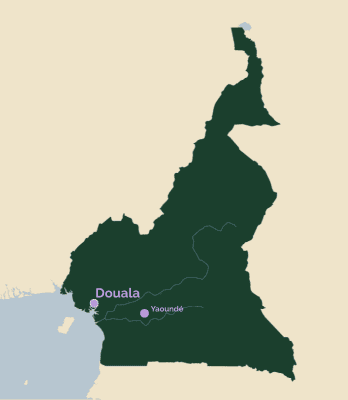
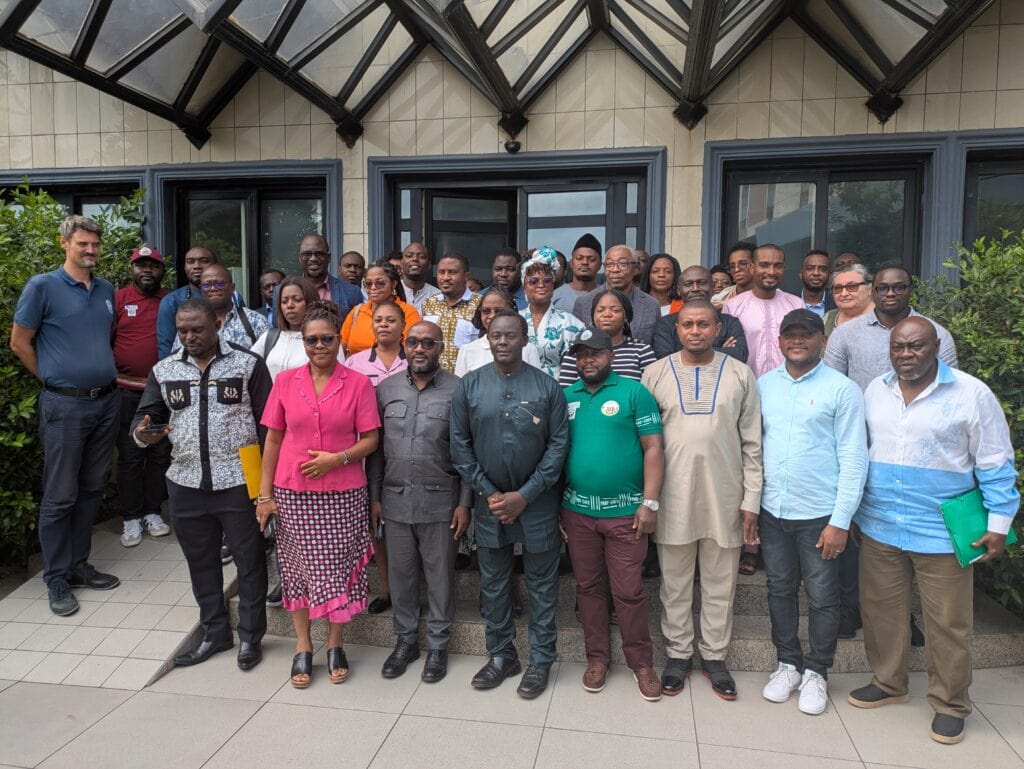
On 5 June 2026 in Douala, key stakeholders in Cameroon’s coffee sector gathered for a workshop to present the findings of the study ‘Traceability, Transparency and Sustainability of the Coffee Sector in Cameroon”, carried out as part of the Sustainable Agriculture for Forest Ecosystems (SAFE) project, implemented by GIZ.

The aim was to share the study’s main findings, examine the proposed recommendations and gather feedback from stakeholders before finalizing the report.
© GIZ

A historic sector facing new challenges

Long regarded as a pillar of the national economy, the coffee sector has played a major role in Cameroon’s economic development. Between the 1960s and 1980s, it accounted for nearly 15% of the national GDP. Production reached a record high of 137,900 tons of green coffee in 1984 before beginning a gradual decline due to several structural factors: falling international prices, ageing plantations, low yields, insufficient investment, logistical difficulties and fragmentation among stakeholders.

Today, as global demand shifts towards more traceable and sustainable products, the sector faces a new challenge: meeting the growing demands of international markets, particularly those of the EU Deforestation Regulation (EUDR), which requires proof of product origin and environmental compliance.

A study grounded in on-the-ground realities

To establish this assessment, the study combined a literature review, analysis of available data and field surveys with the various links in the value chain.

The consultants met with public institutions, professional organizations, exporters, cooperatives, processors and producers. Particular attention was paid to the main production areas, with the Littoral and West regions alone accounting for 71% of the Robusta and 93% of the Arabica marketed in Cameroon.

During the field phase, more than 40 producers and 14 millers were surveyed, whilst geolocation data was collected to improve understanding of the challenges related to traceability and environmental compliance.

Recommendations tested against stakeholders’ experience

During the workshop, the study’s findings were presented to participants before being discussed in group sessions focusing on three key areas: traceability, transparency and sustainability.

Participants examined several courses of action designed to support the sector’s transformation. These include, in particular, the gradual geolocation of plots intended for export to the European Union, the strengthening of traceability systems, improving farm productivity, renewing coffee plantations, supporting cooperatives, and developing tools for data management and sharing.
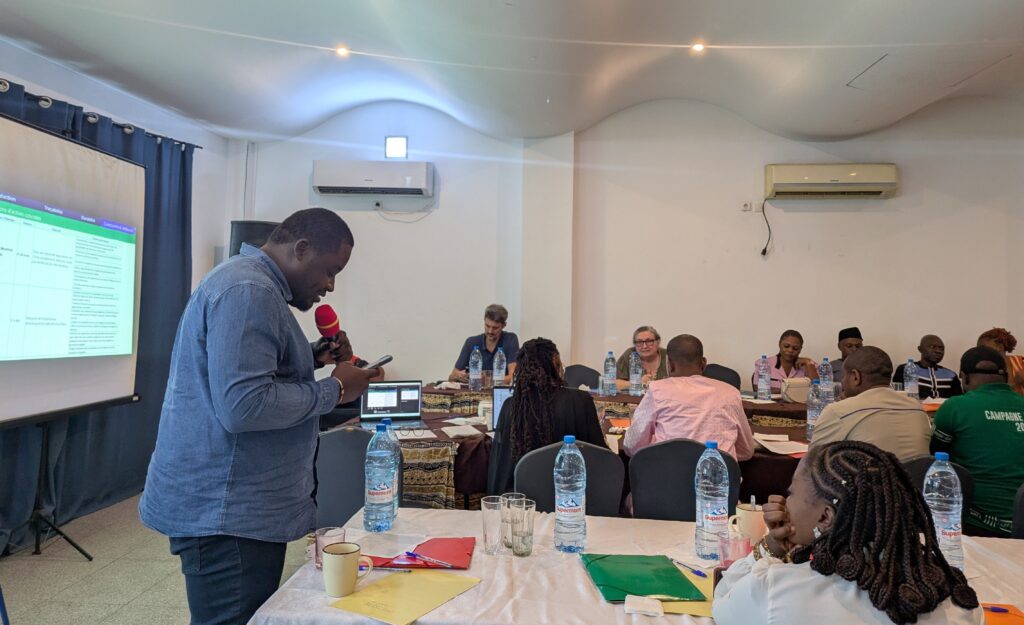
The discussions enabled an assessment of the relevance of these recommendations in light of on-the-ground realities and an evaluation of their technical, organisational and economic feasibility. Participants also proposed several adjustments and complementary actions to enhance the effectiveness and ownership of the envisaged measures. This participatory approach fostered constructive dialogue between public authorities, professional organisations, producers, economic operators, research institutions, and technical and financial partners.

Towards a shared roadmap for the coffee sector

The comments and recommendations made during the workshop will now be incorporated into the final version of the report which is expected to be published in August 2026, and provide public decision-makers, economic actors and development partners with a solid basis for guiding future actions towards a more competitive, transparent and sustainable coffee sector.
Region:

Luwero, Nakaseke, Kassanda, Mubende, Bukomansimbi, Kyotera, Omoro, and Nwoya

Target group:

Smallholder farmers, traders, state and non state actors, and processors

Key activities:
  • Capacity building of smallholder coffee farmers in production practices and sustainable land use management.
  • Establishing traceability system and facilitating access to sustainable financing 
  • Facilitate inclusive business partnerships between producer organizations and supply chain actors​ 
  • Promote multi-stakeholder cooperation​ 
Commodities:
Region:

Huánuco, Ucayali, Pasco and Junín

Target group:

Public and private stakeholders, especially exporting companies, cooperatives and smallholder producers

Key activities:
  • Strengthen the supply chains to meet EUDR requirements 
  • Facilitate access to sustainable finance and knowledge exchange
  • Training of smallholders to sustainable manage their production systems 
Commodities:
Region:

Ngozi and Kayanza 

Target group:

Smallholders

Key activities:
  • Training on the use of traceability tools and support on collection of geolocation data for EUDR compliance 
  • Support the development of a national coffee sector dashboard for traceability and transparency
  • Capacity building of smallholder coffee farmers in production practices and sustainable land use management.​ 
Commodities:
Region:

Centre, South West, Littoral, South, East and West regions

Target group:

Smallholder farmers, women, youth, and indigenous peoples

Key activities:
  • Develop inclusive business partnerships with the private sector 
  • Facilitate access to finance for sustainable business models 
  • Support and train farmers in open-source traceability systems 
  • Promote multistakeholder dialogues to improve legal and regulatory provisions 
Commodities:
Region:

(Lower) Kafue Catchment Ecosystem

Target group:

Farmers and community forest management groups

Key activities:
  • Support community forest management groups in the
    sustainable management of natural resources and livelihood creation
  • Support farmers to produce soy in line with the EUDR and increase productivity, and implement transparency and traceability pilots
Commodities:
Region:

Lampung, West Kalimantan, and Central Sulawesi

Target group:

Smallholder farmers, private sector, and civil society organizations along the value chains

Key activities:
  • Empowering Smallholder Farmers and Farmer Organizations by facilitating traceability and legality, building capacity on Good Agriculture Practices (GAP), and strengthening farmer organizations, ensuring inclusive support for both men and women farmers.
  • Promoting sustainable practices and collaboration by supporting village HCV/HCS conservation efforts, testing and strengthening the National Dashboard for traceability and legality, and fostering national and regional exchanges.
Commodities:
Region:

Son La, Gia Lai ​​

Target group:

Smallholder farmers and marginalized groups

Key activities:
  • Support coffee value chain actors
  • Foster deforestation-free, sustainable, and legal supply chains
Commodities:
Region:

Yangambi Biosphere Reserve, Salonga National Park North, Salonga National Park South, Virunga National Park, Kahuzi-Biéga National Park​

Target group:

Public and private sector

Key activities:
  • Promote sustainable agricultural practices
  • Minimize forest degradation
  • Prevent deforestation
Commodities:
Region:

Provinces of Orellana and Sucumbíos

Target group:

Smallholder farmers, women, indigenous people and youth

Key activities:
  • Promoting Multi Stakeholder Dialogues
  • Improving traceabilty systems
Commodities:
Region:

Xingu territory, State of Pará

Target group:

Family farmers

Key activities:
  • Improve market access, value creation, and access to sustainable finance
  • Integrate farmers into traceability systems
Commodities:
Global activities