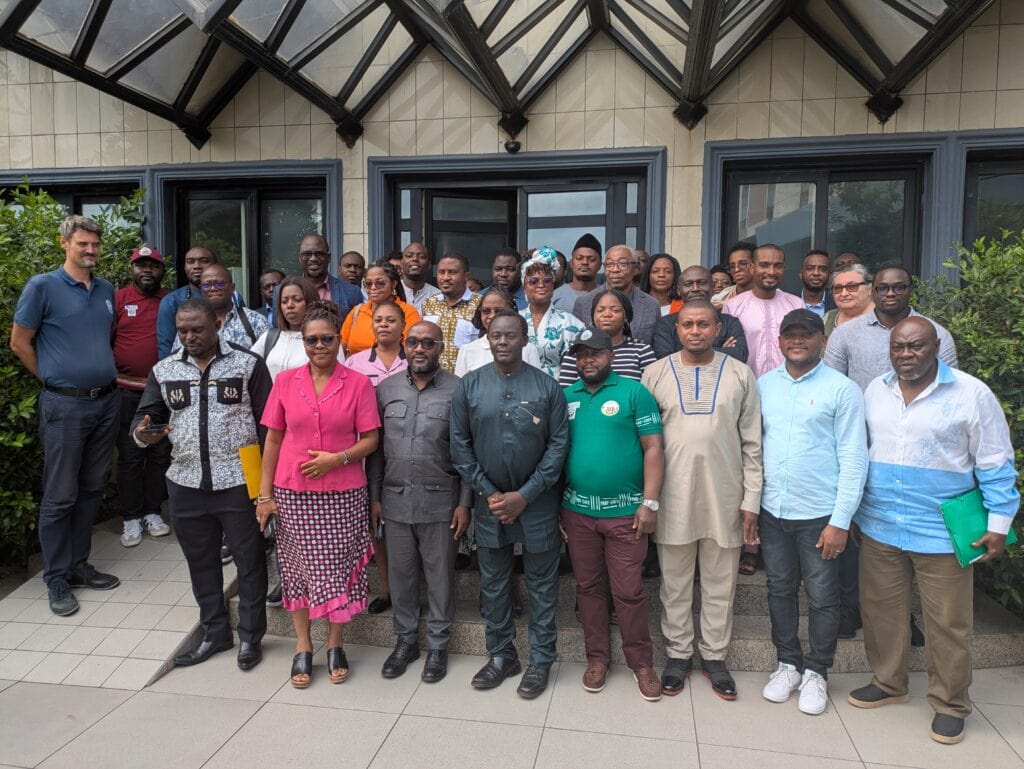
On 5 June 2026 in Douala, key stakeholders in Cameroon’s coffee sector gathered for a workshop to present the findings of the study ‘Traceability, Transparency and Sustainability of the Coffee Sector in Cameroon”, carried out as part of the Sustainable Agriculture for Forest Ecosystems (SAFE) project, implemented by GIZ.
The aim was to share the study’s main findings, examine the proposed recommendations and gather feedback from stakeholders before finalizing the report.
A historic sector facing new challenges
Long regarded as a pillar of the national economy, the coffee sector has played a major role in Cameroon’s economic development. Between the 1960s and 1980s, it accounted for nearly 15% of the national GDP. Production reached a record high of 137,900 tons of green coffee in 1984 before beginning a gradual decline due to several structural factors: falling international prices, ageing plantations, low yields, insufficient investment, logistical difficulties and fragmentation among stakeholders.
Today, as global demand shifts towards more traceable and sustainable products, the sector faces a new challenge: meeting the growing demands of international markets, particularly those of the EU Deforestation Regulation (EUDR), which requires proof of product origin and environmental compliance.
A study grounded in on-the-ground realities
To establish this assessment, the study combined a literature review, analysis of available data and field surveys with the various links in the value chain.
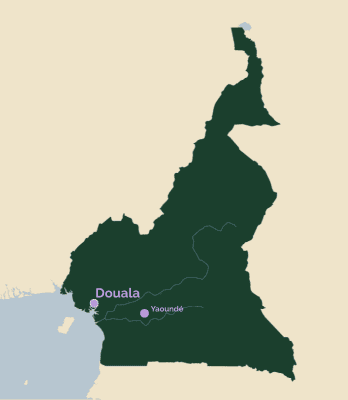
The consultants met with public institutions, professional organizations, exporters, cooperatives, processors and producers. Particular attention was paid to the main production areas, with the Littoral and West regions alone accounting for 71% of the Robusta and 93% of the Arabica marketed in Cameroon.
During the field phase, more than 40 producers and 14 millers were surveyed, whilst geolocation data was collected to improve understanding of the challenges related to traceability and environmental compliance.
Recommendations tested against stakeholders’ experience
During the workshop, the study’s findings were presented to participants before being discussed in group sessions focusing on three key areas: traceability, transparency and sustainability.
Participants examined several courses of action designed to support the sector’s transformation. These include, in particular, the gradual geolocation of plots intended for export to the European Union, the strengthening of traceability systems, improving farm productivity, renewing coffee plantations, supporting cooperatives, and developing tools for data management and sharing.
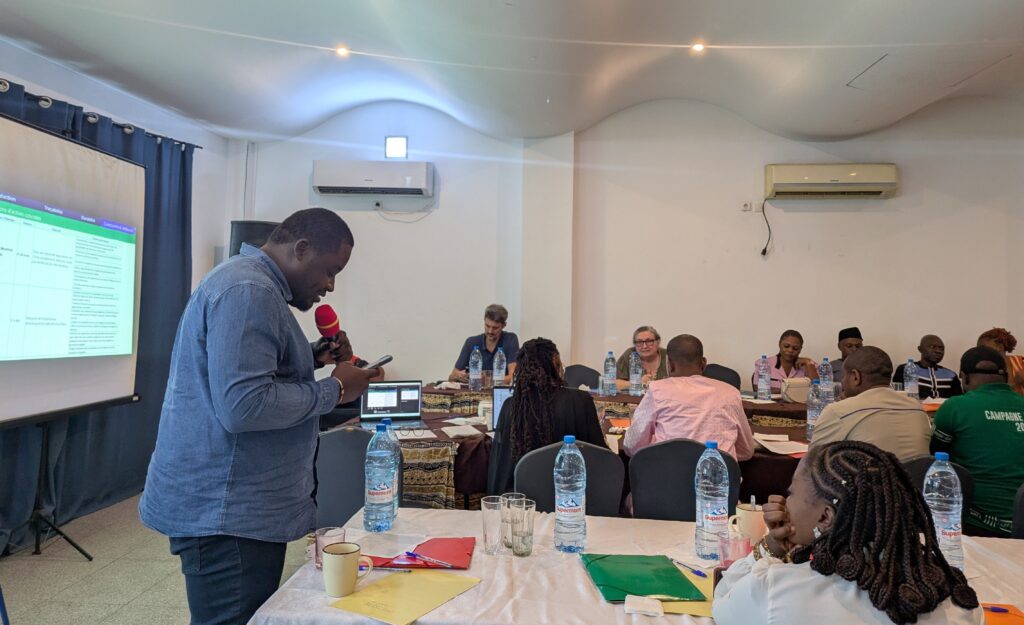
The discussions enabled an assessment of the relevance of these recommendations in light of on-the-ground realities and an evaluation of their technical, organisational and economic feasibility. Participants also proposed several adjustments and complementary actions to enhance the effectiveness and ownership of the envisaged measures. This participatory approach fostered constructive dialogue between public authorities, professional organisations, producers, economic operators, research institutions, and technical and financial partners.
Towards a shared roadmap for the coffee sector
The comments and recommendations made during the workshop will now be incorporated into the final version of the report which is expected to be published in August 2026, and provide public decision-makers, economic actors and development partners with a solid basis for guiding future actions towards a more competitive, transparent and sustainable coffee sector.