One of the main challenges introduced by the European Union Deforestation Regulation (EUDR) was demonstrating the origin and journey of products throughout the entire supply chain. For many producer organizations in Ecuador, this represented a significant challenge, as much of the necessary information had not been recorded, production processes were highly informal, there was limited clarity on how to document evidence of legality, and the traceability solutions available on the market did not respond to the specific requirements of the regulation or to the realities of the organizations.
As the implementation of SAFE Ecuador progressed, it became clear that organizations were not facing this challenge from the same starting point. Some needed to strengthen their internal processes before incorporating digital tools, while others were ready to move toward more complex systems. This learning led the project to develop an approach based on the level of organizational maturity, allowing each association to implement its own process.
With this approach, SAFE Ecuador developed an implementation pathway that included:
- Organizational maturity assessments, to identify each organization’s starting point and define a strengthening pathway aligned with its capacities.
- Implementation of traceability stages according to organizational maturity levels, guiding the progressive development of processes and systems.
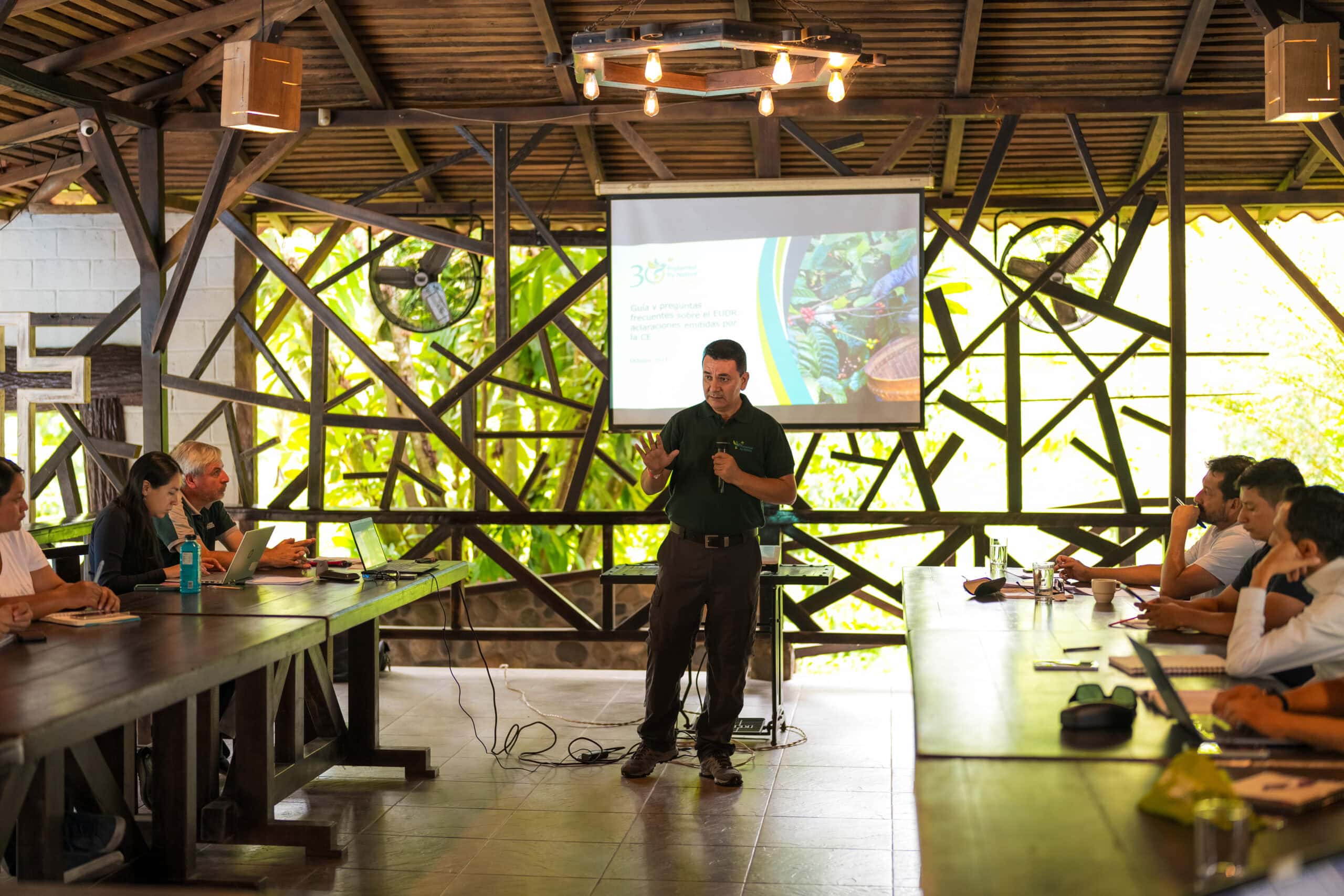
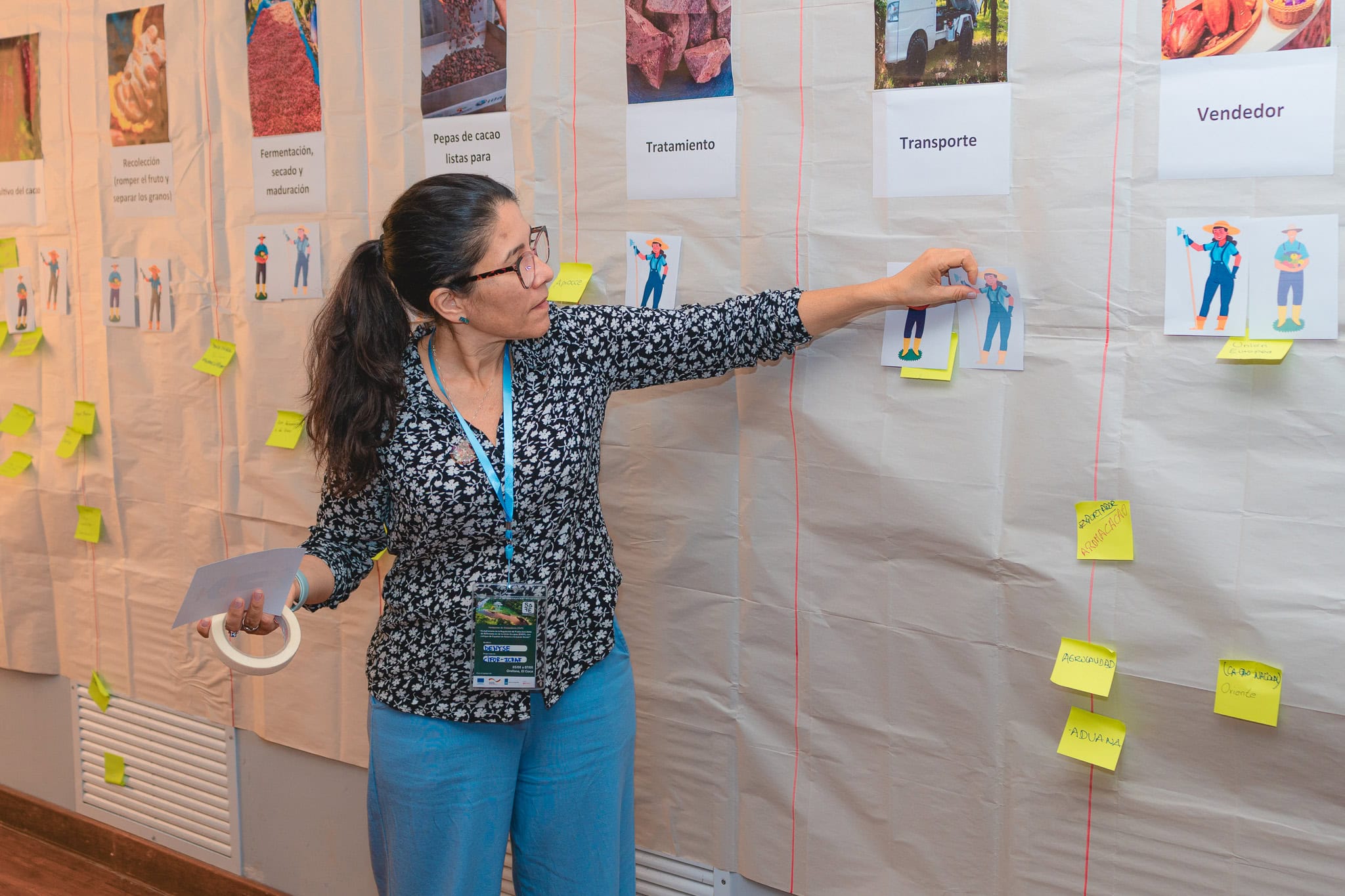
- Participation in a Training of Trainers programme on traceability, promoted by the national government and the private sector, which in its first phase enabled knowledge transfer and capacity building in traceability with a rural extension approach. It also raised awareness among producer organizations, exporting companies and public institutions about the importance of information management and their role in implementing traceability and due diligence systems.
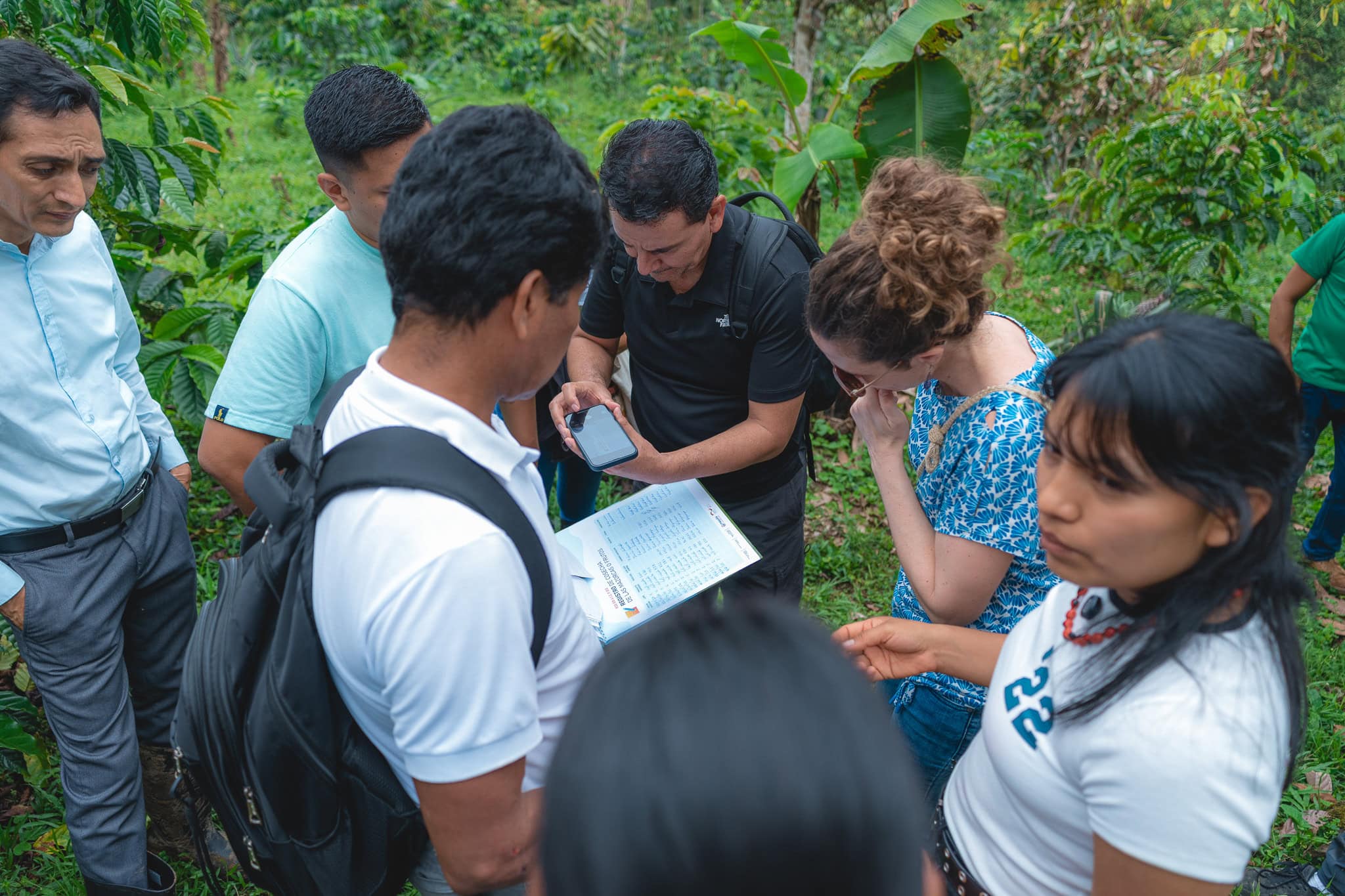
- Implementation of Due Diligence Systems (DDS) in organizations with more developed processes. The DDS was integrated into organizational management, strengthening traceability, risk management and the generation of documented evidence for adaptation to the EUDR.
Through this approach, organizations assigned personnel responsible for information management, established internal policies and organized processes that now facilitate compliance with EUDR requirements and create a foundation for continued improvement as their capacities evolve.
The changes are also reflected in concrete results. While at the beginning of the project no system had been adapted to EUDR requirements, today:
- 3 producer organizations have Due Diligence Systems adapted to their organizational processes, enabling them to identify and mitigate risks in a timely manner and make informed decisions.
- 3 digital traceability systems were adapted to respond to the specific requirements of the EUDR.
- 7 organizations introduced basic traceability processes for the first time, including producer records, invoices, sales receipts and supporting documentation.
- 2,635 producers are part of traceability systems aligned with compliance with the regulation.
- 87 people were trained through the Training of Trainers programme to transfer this knowledge to others.
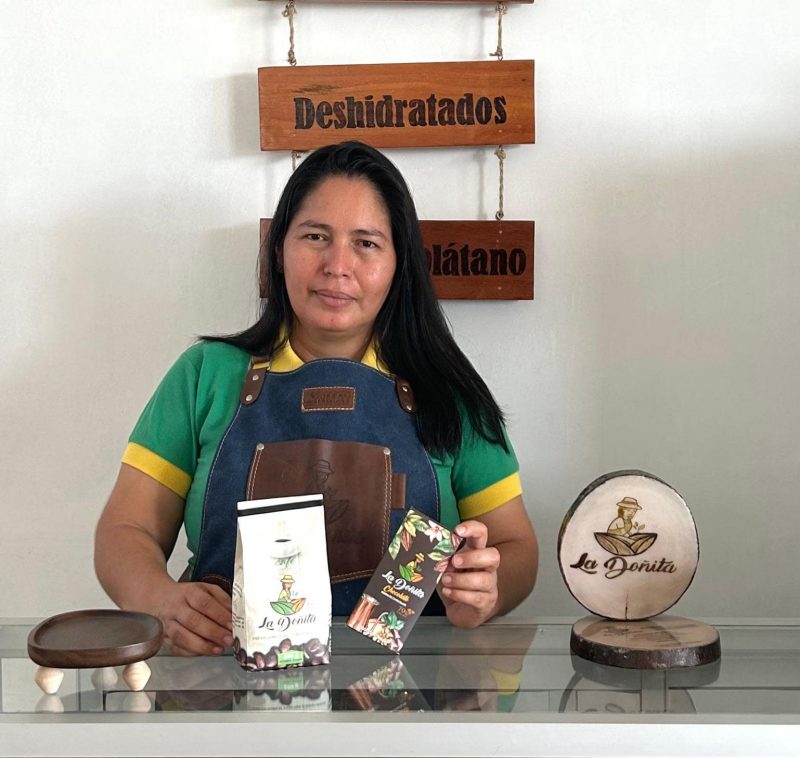
Today, we have our information fully digitized, with a comprehensive database of our members. It includes not only production-related information, but also socio-administrative data and living conditions. This allows us to filter information and provide support to those who need it most (…) When it comes to securing market opportunities, we can easily access our records and provide exporters with the information they require.
Katy Pazmiño, Member of APROCCE Producer Association
More than a methodology for implementing traceability, SAFE Ecuador left an approach to EUDR adaptation that recognizes that each organization evolves at a different pace. This approach enables associations to continue strengthening their traceability as their capacities grow and to incorporate Due Diligence processes aligned with their internal policies and procedures, providing a practical reference for other initiatives seeking to build more transparent supply chains that are better prepared to respond to the requirements of international markets.