Partnerships between producers, cooperatives and companies can facilitate access to markets, services, equipment and capacity building.
Joelle Assumi, FIFAC
Building stronger partnerships for sustainable value chains
For many smallholder coffee and cocoa producers in the Democratic Republic of the Congo (DRC), building reliable business relationships with buyers accessing the EU market remains a challenge. While cooperatives play a crucial role in aggregating production, business relationships between producers, buyers and exporters are often informal, fragmented and vulnerable to market fluctuations.
To address these challenges, the SAFE project adopted the Agrobusiness Cluster model, an innovative organisational framework which brings together producers, cooperatives, buyers, exporters and service providers to strengthen coordination, jointly address challenges and build long-term commercial relationships.
Today, twenty coffee and cocoa cooperatives participate in Agrobusiness Clusters that bring together producers, cooperatives, buyers and exporters supplying the European market.
Through this collaborative approach, the SAFE project in partnership with the CongoAgri Platform supports cooperatives in:
- strengthening technical capacities on deforestation-free production;
- improving traceability systems and land tenure awareness;
- developing inclusive business models; and
- facilitating commercial partnerships and sales contracts with buyers and exporters.
Together, these efforts help cooperatives prepare for the requirements of the EU Deforestation Regulation (EUDR) and contribute to more transparent and resilient coffee and cocoa value chains while supporting the protection of the DRC’s forest ecosystems.
Estás viendo un contenido de marcador de posición de Vimeo. Para acceder al contenido real, haz clic en el siguiente botón. Ten en cuenta que al hacerlo compartirás datos con terceros proveedores.
Más informaciónLearning from experience: From regional exchange to local action
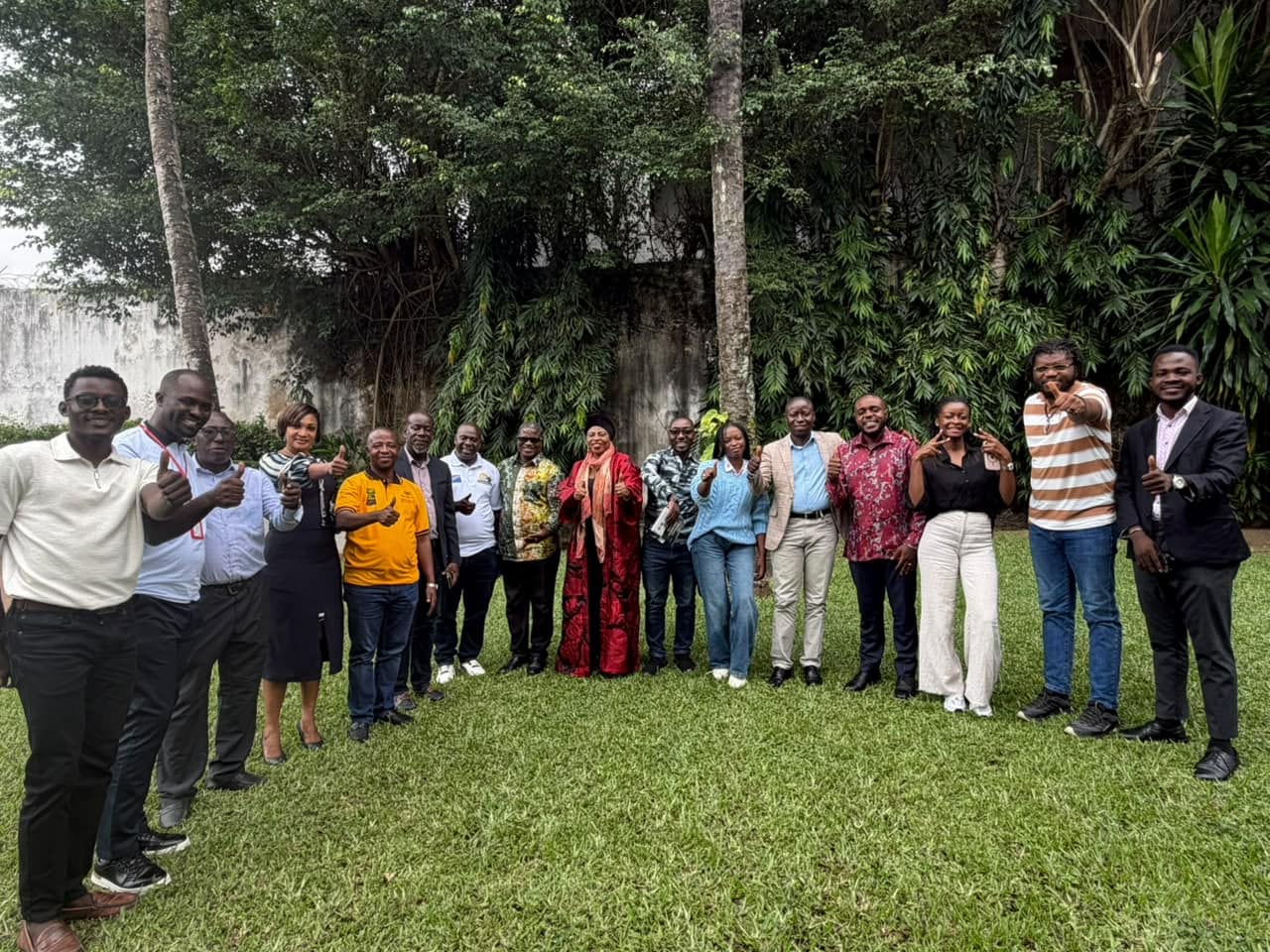
Recognising that some of the strongest lessons come from peer exchange, SAFE organised a study visit to Côte d’Ivoire and Togo, bringing together representatives of cooperatives and other strategic actors from the coffee and cocoa sectors. In Côte d’Ivoire, the delegation exchanged with the GIZ PRO-PLANTEURS III project, while in Togo, the visit focused on experiences from the GIZ ProComp project. The objective was to learn from approaches that have proven successful elsewhere and explore how they could inform the further development of Agrobusiness Clusters in the DRC.
The exchange highlighted several factors that are essential for building strong and sustainable cooperatives. Professionalisation requires time and structured support, while sustainable commercial partnerships depend on transparency, mutual commitment and trust. Just as importantly, cooperatives need to create tangible socio-economic benefits for their members and their households to build lasting member loyalty.
What inspired me most was a model of governance based on transparency, accountability and the creation of value for producers.
Danny Mumbere, CongoAgri Platform
The lessons from the study tour will now be adapted to the Congolese context – not by replicating existing models, but by identifying which elements can be adapted to local realities and the needs of producers. This includes more tailored coaching for cooperatives, the development of inclusive contract farming models adapted to the coffee and cocoa sectors, and stronger dialogue between producers, buyers and public-sector actors.
Together, these measures will contribute to the continued development of the Agrobusiness Cluster approach in the DRC, helping cooperatives build more resilient, inclusive and sustainable relationships along the value chain!