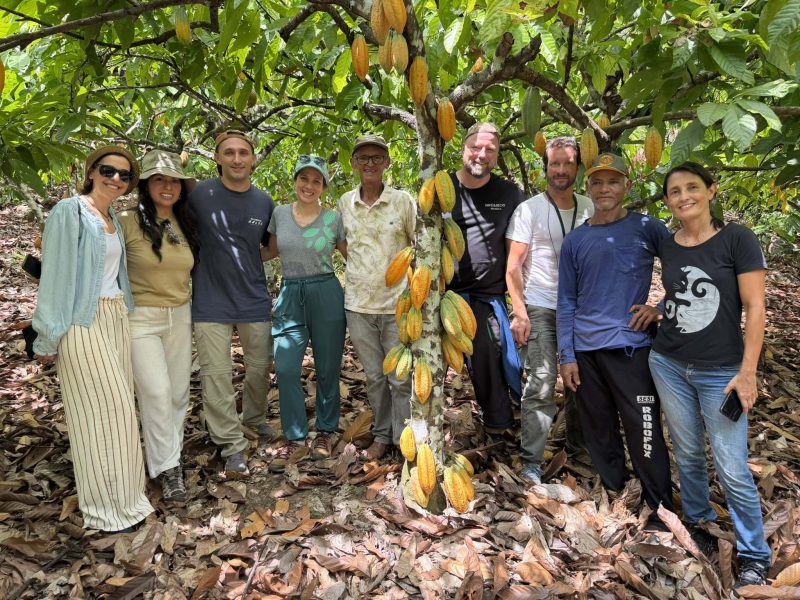
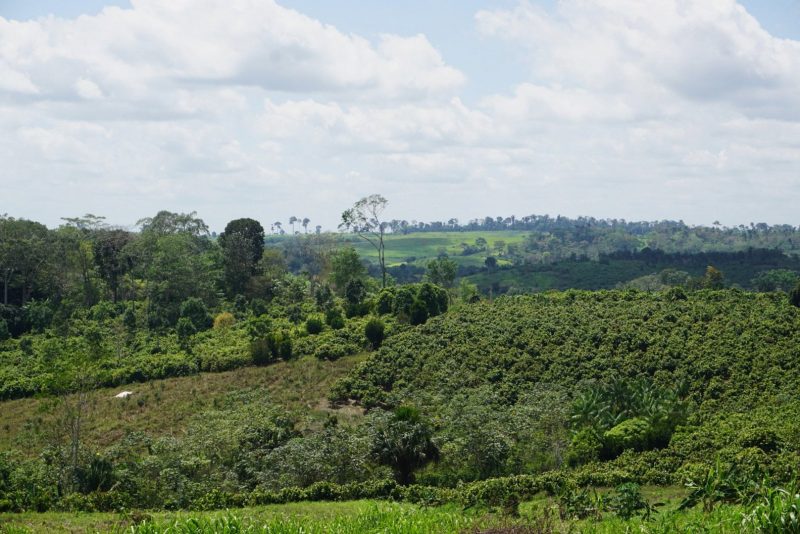
Representatives from European companies across the cocoa and chocolate value chain traveled to the Transamazônica and Xingu region in Pará, Brazil, as part of a technical mission organized by the SAFE project in partnership with Ara Cacao, The Nature Conservancy (TNC), Instituto Clima e Sociedade (iCS), and Norte Energia.
European buyers are under growing pressure to source cocoa that is traceable and deforestation-free, in the context of the EUDR, and many are looking for new, reliable origins. They came to see for themselves what cocoa production looks like in Brazil: how it is grown, how farms and cooperatives are organized, and what it would take to build long-term trade relationships.
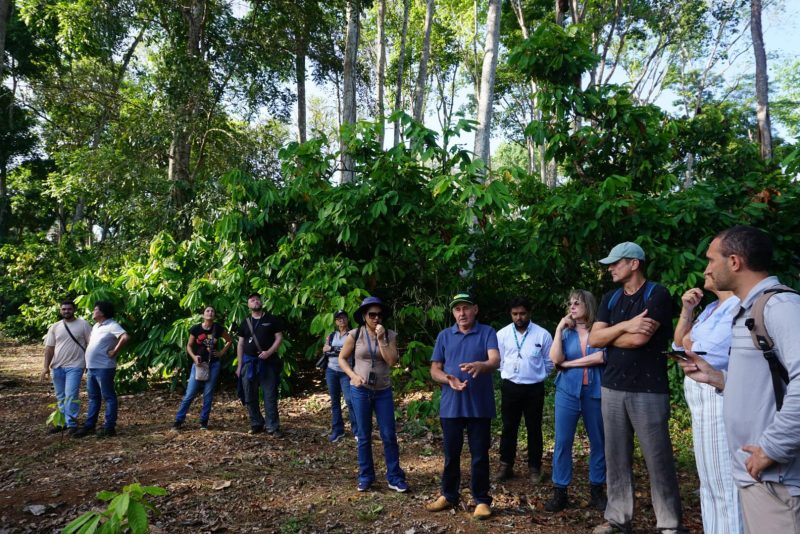
Over five days, the group visited eight farms in Brasil Novo, Medicilândia, and Vitória do Xingu, and five local cooperatives, meeting directly with smallholders and Indigenous producers. The mission opened space for knowledge exchange, new business opportunities, and dialogue between Brazilian producers and European exporters, importers, and chocolate manufacturers.
The region is Brazil’s largest cocoa-producing area. The cocoa grows in agroforestry systems, with high-quality almonds, active cooperatives, and an existing governance structure such as the Rota do Cacau. At the same time, important challenges remain, including price volatility, which has affected producers’ interest in technical support and engagement on the adoption of new practices, and the commercial opportunities needed to reach export markets, for example.
Inside Brazilian Amazon cocoa production
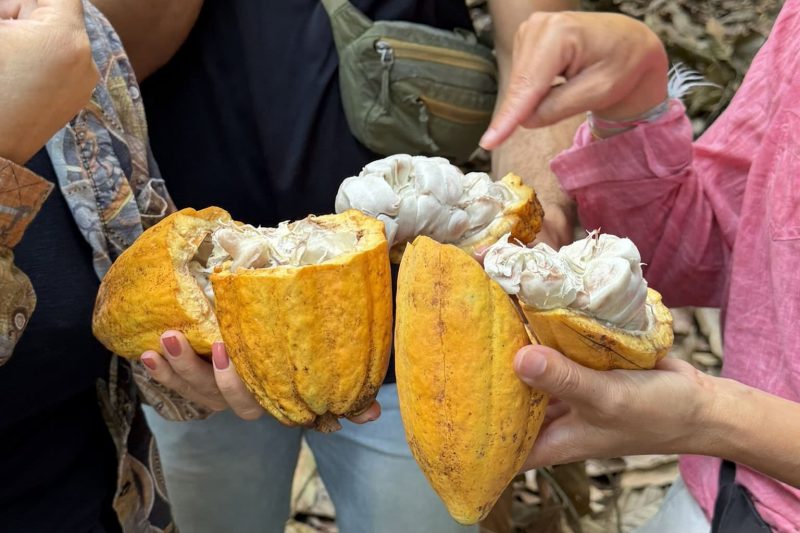
European operators saw firsthand how cocoa is produced and what qualifies Pará’s cocoa for international markets: quality, genetics, agroforestry systems, certification, and forest conservation. Cocoa is native to the Amazon, and in the Transamazônica and Xingu region it is still grown in its original biome. What sets the region apart is that production and conservation go hand in hand: it is the cultivation of native cocoa that keeps the forest standing.
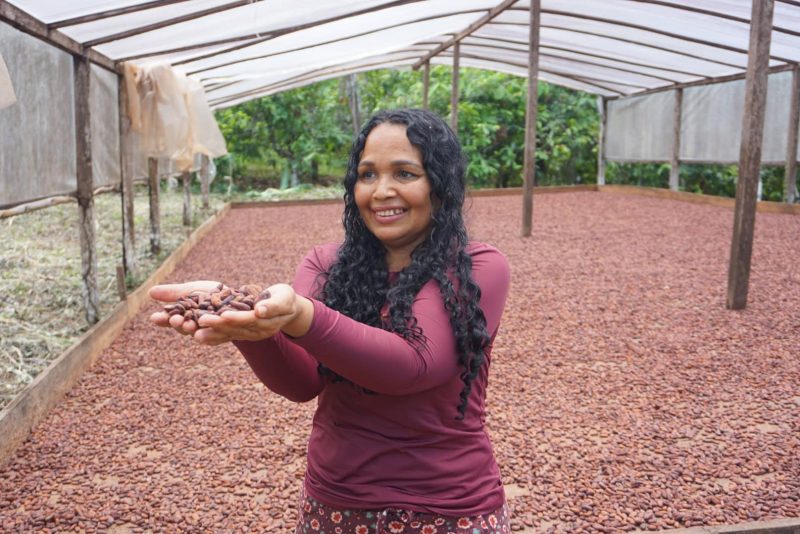
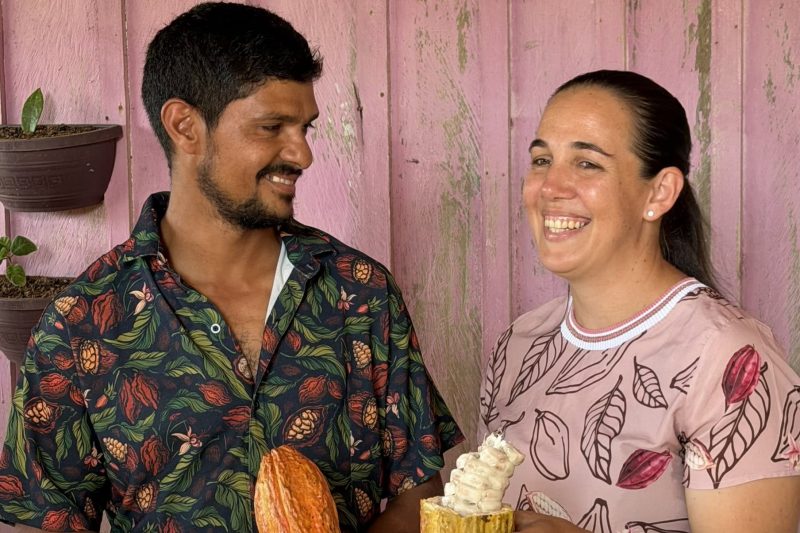
Among the producers is an Indigenous riverside community led by Katyana Xipaya, which has grown cocoa in Vitória do Xingu for more than 40 years. The community integrates cocoa with native Amazonian species in agroforestry systems and uses controlled fermentation and barge drying to improve bean quality. In a presentation to the delegation, the community said:
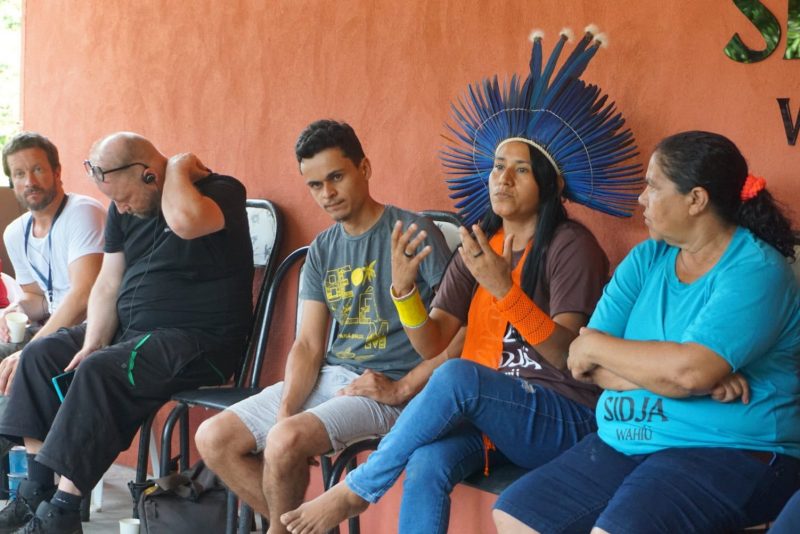
The forest is our greatest ally. We cultivate and manage cocoa respecting the cycles of nature, preserving biodiversity and valuing traditional knowledge passed down between generations.
Indigenous riverside community led by Katyana Xipaya
This matters because international markets increasingly demand credible, deforestation-free products, making legality and traceability a key advantage. The discussions therefore addressed international requirements, particularly the EUDR, and the challenges and opportunities for producers and cooperatives in meeting them.
New pathways for collaboration
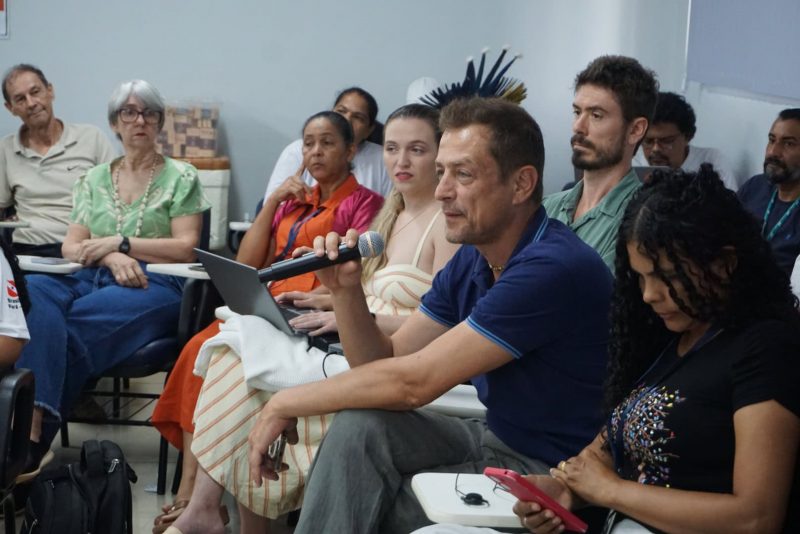
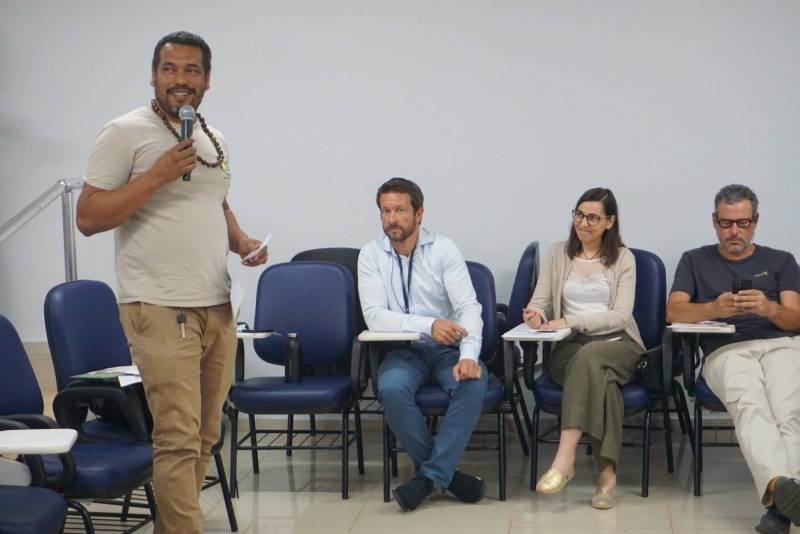
Our exchange ended with a workshop bringing together around 50 participants to reflect on ways to strengthen Pará’s cocoa connection to the European market. The main takeaway? Adding value to cocoa through improved quality and traceability, while advancing sustainable and deforestation-free production, is key. The workshop also provided an opportunity to identify new pathways for collaboration and expand market access for Pará cocoa.
Exchanging realities and expectations
The mission went beyond technical aspects. European operators also learned about the realities faced by producers and cooperatives in Pará: limited access to credit and export markets, the lack of continuity in public support for the cocoa value chain, the costs and complexity of meeting traceability requirements, and price volatility.
At the same time, local actors gained a better understanding of what international buyers expect in terms of flavor, quality, and compliance requirements.
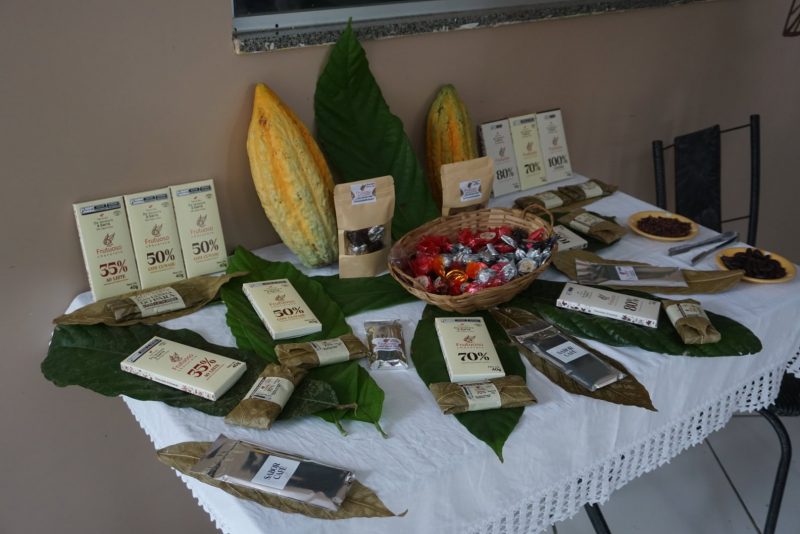
Samples of cocoa beans and chocolates produced in the region were taken to Europe for further analysis and assessment of potential commercial opportunities. Laboratory analyses of the cocoa are still under way. Participants in the technical mission have expressed strong optimism though, as many were impressed by the quality of what they saw during the visit.
The chocolates also drew attention. Rosário, president of the Bean to Bar Portugal Association, vice-president of the Bean to Bar Europe Association, and founder of the subscription club The Cacao Club, featured a box of four chocolates from Altamira in a social media post. She linked each chocolate to her experiences along the Trans-Amazonian Highway.
After a trip through the Amazon, I came back with a suitcase full of stories, encounters and, of course, chocolate. This box holds four chocolates from four projects I got to know up close: four stories, four ways of discovering a territory where cocoa is much more than an ingredient. It is forest, family, community, knowledge and future.
Rosário Cunha, president of the Bean to Bar Portugal Association
The visit also brought these European buyers closer to Apex Brasil, the Brazilian Trade and Investment Promotion Agency. Meetings are already taking place, and potential partnerships are being identified, with dialogue and exchanges continuing among several mission participants. For Pará’s producers, these conversations are a first step toward turning the interest generated by the visit into lasting commercial relationships.